
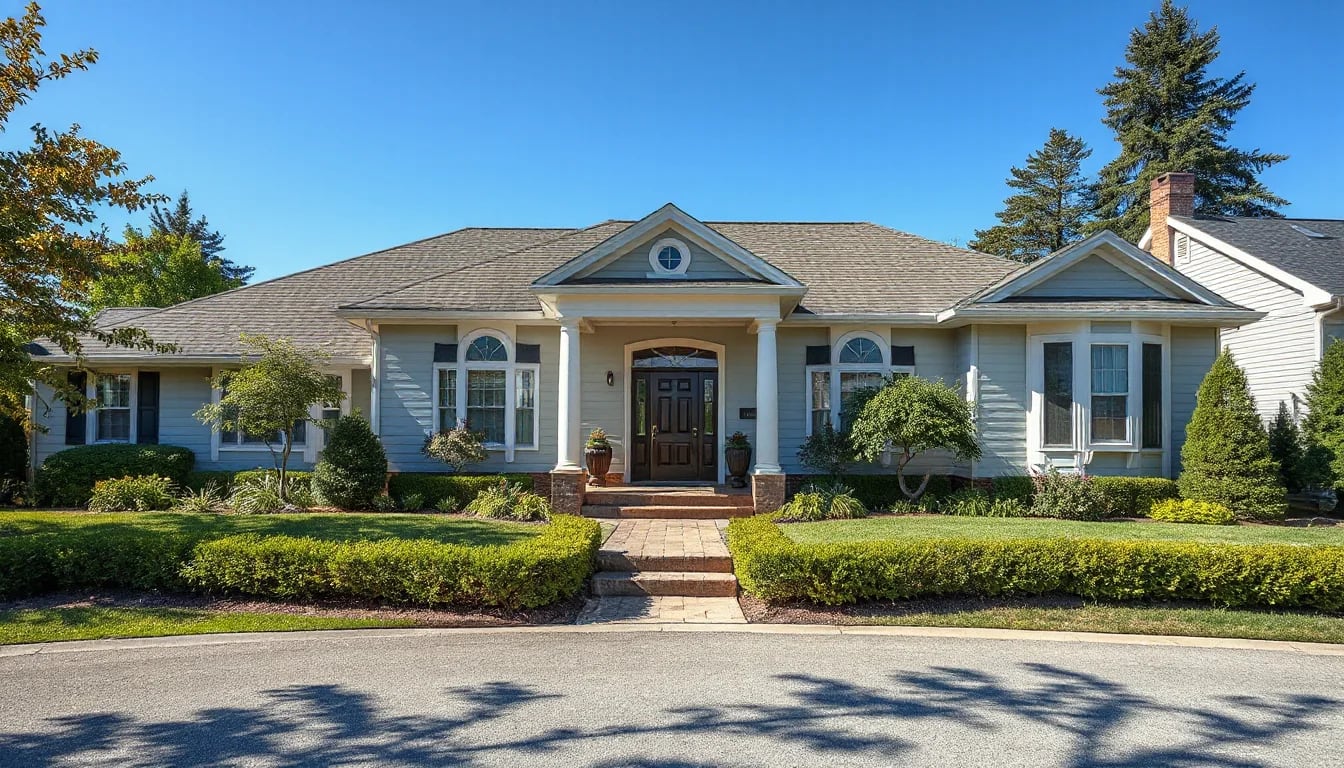
Buying in Hillsborough often comes down to a practical question: should you prioritize monthly cash flow or long-term appreciation potential? The answer usually is not either-or. When you understand carrying costs, renovation exposure, lot value, and the local supply of homes, you can compare properties more clearly and choose a purchase that fits both your budget today and your equity goals over time.
Why this tradeoff matters in Hillsborough
In a market like Hillsborough, buyers are rarely looking at identical homes with identical financial profiles. One property may offer a smoother monthly payment relative to its condition and features, while another may require a higher all-in cost but sit on a lot or in a location that could support stronger long-term value growth. That makes it important to evaluate more than list price alone.
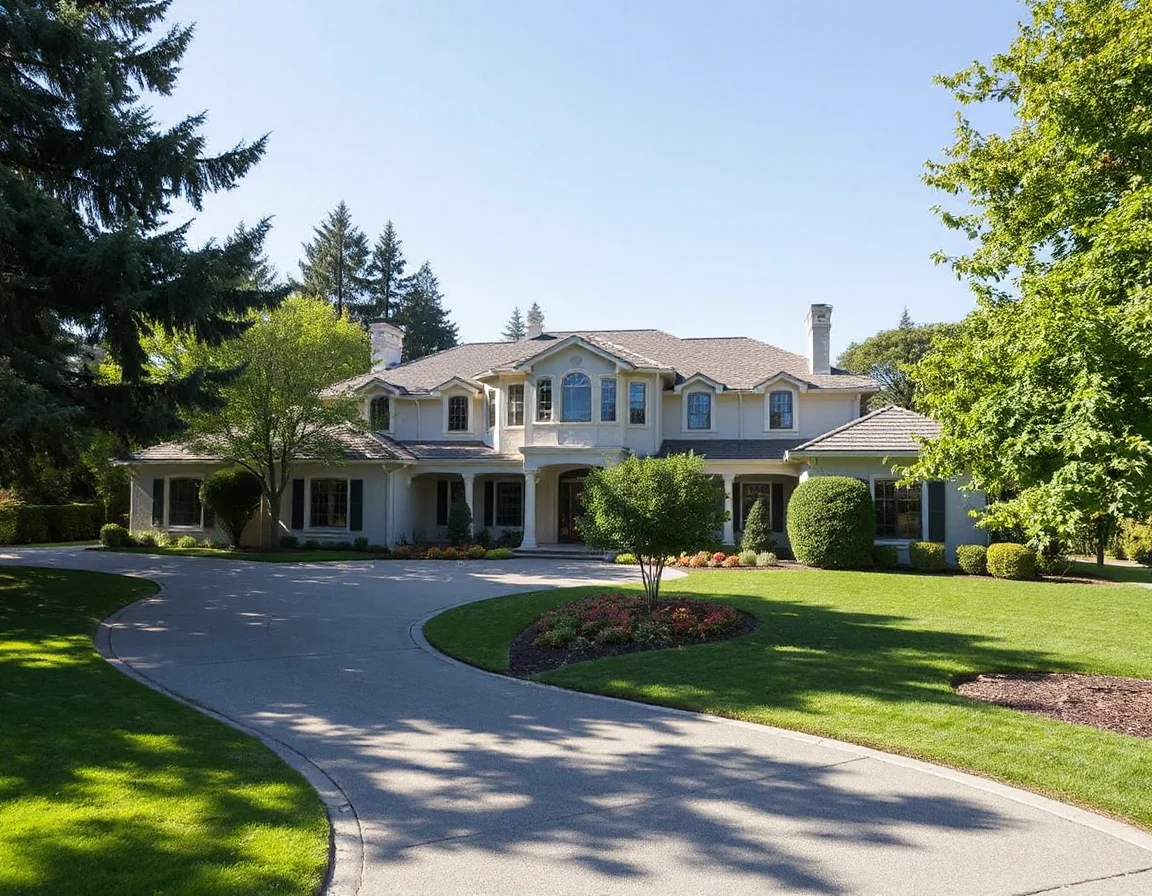
Cash flow usually means your full monthly carrying picture: mortgage, property taxes, insurance, utilities, maintenance, and any near-term capital improvements. Appreciation is the longer view: how likely the property is to hold and build value based on land, location, layout, condition, and future buyer demand. In an area known for large parcels, established landscaping, and limited inventory, both sides of the equation can shift quickly from one home to the next.
For many buyers, the real decision is not “Which house is cheapest per month?” It is “Which house gives me the best balance of payment comfort, upkeep risk, and future resale strength?” That mindset helps you avoid overvaluing cosmetic finishes while missing larger financial factors such as deferred maintenance, topography, or expansion potential.
A lower purchase price does not always mean stronger cash flow. On larger properties, maintenance, landscaping, and repair timing can change the monthly picture more than buyers expect.
Start with the real monthly ownership cost
A useful first step is to build a side-by-side ownership worksheet for each property you are considering. Include principal and interest based on your expected loan terms, estimated taxes, insurance, and a realistic reserve for ongoing maintenance. In Hillsborough, that reserve deserves special attention because lot size, older infrastructure, mature trees, drainage, and exterior systems can all affect annual costs.
Buyers sometimes focus heavily on mortgage rate movement while underestimating the impact of upkeep. A home with updated systems, newer roofing, and a more manageable site may create better near-term cash flow than a lower-priced property needing immediate work. Even if both homes have similar square footage, the maintenance profile can be completely different.
It also helps to separate predictable costs from event-driven costs. Predictable costs include taxes and insurance. Event-driven costs include a retaining wall repair, resurfacing a driveway, replacing windows, or modernizing older electrical or plumbing components. A property with fewer event-driven risks may support a more stable ownership experience, even if the asking price is higher.
Then evaluate what tends to support appreciation
Once the payment side is clear, look at the factors that can influence long-term value. In Hillsborough, land often plays a major role. Parcel size, privacy, usable outdoor space, orientation, access, and the overall functionality of the site can affect how a property is perceived over time. Inside the home, buyers often respond well to practical layouts, natural light, well-scaled rooms, and updates that improve livability without creating immediate renovation pressure.

Scarcity matters too. If a home offers features that are difficult to find repeatedly in the same market segment, that can strengthen its appeal when it is time to sell. This does not guarantee future appreciation, but it can improve resilience. For example, a property with a strong site plan and thoughtful updates may attract broader interest than a similar home with a fragmented layout and expensive deferred work.
It is also worth asking whether improvements are aligned with the property’s setting. Highly customized renovations can be beautiful, but they do not always produce the same return as quality structural, mechanical, and layout improvements. Buyers weighing appreciation often benefit from identifying where value comes from: the lot, the architecture, the condition, the flexibility of the floor plan, or a combination of all four.
When two homes are close in price, the property with the more usable lot and fewer major system upgrades ahead may offer the cleaner appreciation story.
Nearby amenities can also support demand, but the key is to stay objective. Access to major commute routes, proximity to Peninsula employment centers, nearby open space, and convenience to dining and daily services in surrounding communities can all influence how a property performs in the market. These are measurable location factors that buyers can compare from one listing to another.
How to compare a move-in-ready home with a value-add opportunity
One of the most common decisions is choosing between a turnkey property and a home with upside potential. The move-in-ready option may produce better cash flow predictability because fewer immediate projects compete with your monthly budget. It can also reduce uncertainty during the first years of ownership. That stability is valuable, especially when borrowing costs and insurance expenses remain important parts of the equation.
A value-add purchase can still make sense, but only if the numbers are disciplined. Buyers should estimate renovation costs conservatively, account for timeline delays, and consider whether post-improvement value justifies the effort. In a premium market, over-improving or underestimating site-related work can narrow the gap between expected upside and actual return.
Try framing each candidate home with three questions: What will it cost to own in year one? What major spending is likely within five years? If I needed to sell in a different market cycle, what features would still stand out? Those answers often reveal whether a property is serving your cash flow goals, your appreciation goals, or both.
A practical framework for making the final decision
If you are choosing between several Hillsborough homes, create a weighted scorecard. Give each property a rating for monthly carrying cost, maintenance risk, lot quality, layout, condition, and resale competitiveness. This may sound simple, but it turns emotional reactions into usable comparisons. A home that feels exciting during a showing may look different when stacked against repair exposure and long-term holding cost.
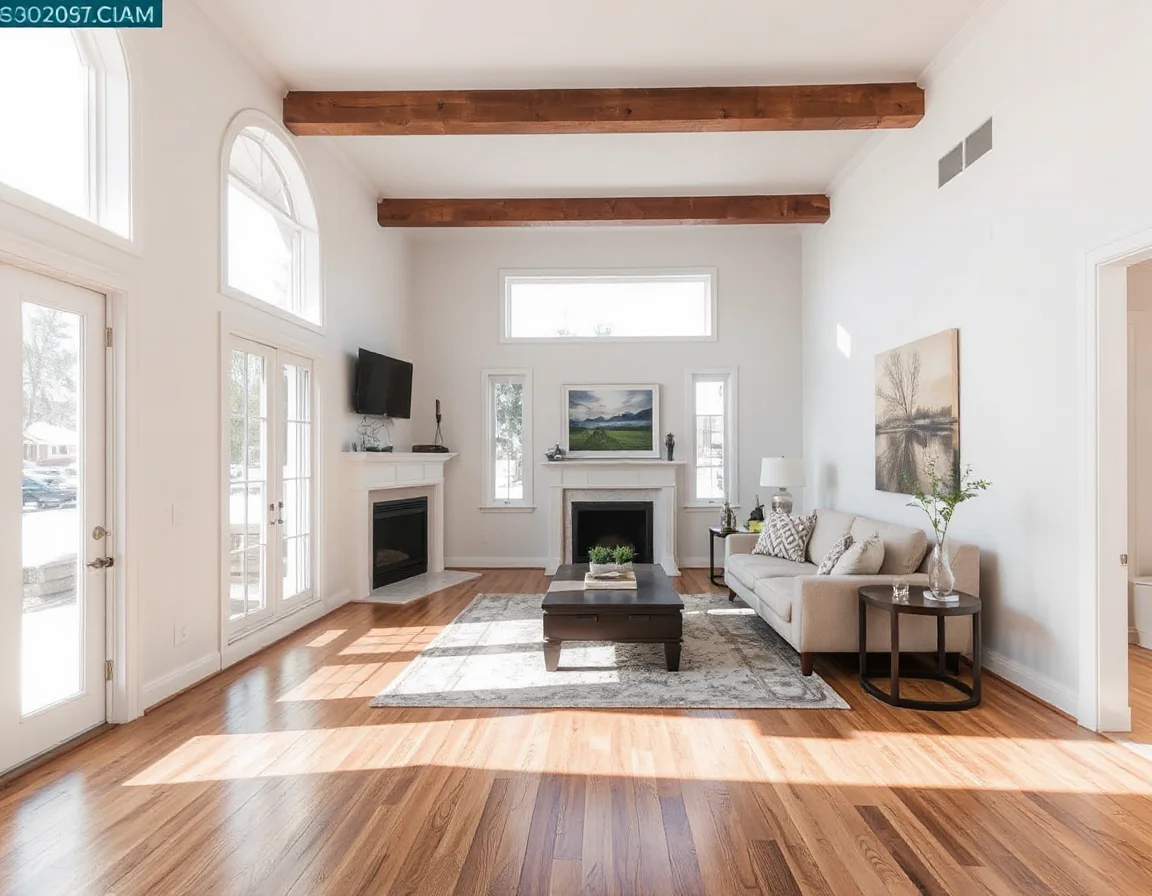
It can also help to decide in advance where you are willing to compromise. Some buyers prefer a stronger payment position even if appreciation may be steadier rather than dramatic. Others are comfortable with higher ongoing costs if the property’s land, layout, and condition story appear especially compelling for the long term. Neither approach is inherently better; the right fit depends on your timeline, liquidity, and tolerance for future projects.
In Hillsborough, where each property can differ substantially, clarity is an advantage. Buyers who understand both sides of the equation tend to move more decisively because they know what they are paying for today and what they believe will matter later. That creates a more confident purchase process and a stronger basis for evaluating opportunities as inventory changes.
Ultimately, the best purchase is usually the one that supports your ownership comfort now while preserving meaningful upside over time. When you analyze the monthly numbers, the physical asset, and the resale story together, you can approach the market with a sharper lens and make a decision that holds up well beyond closing day.