
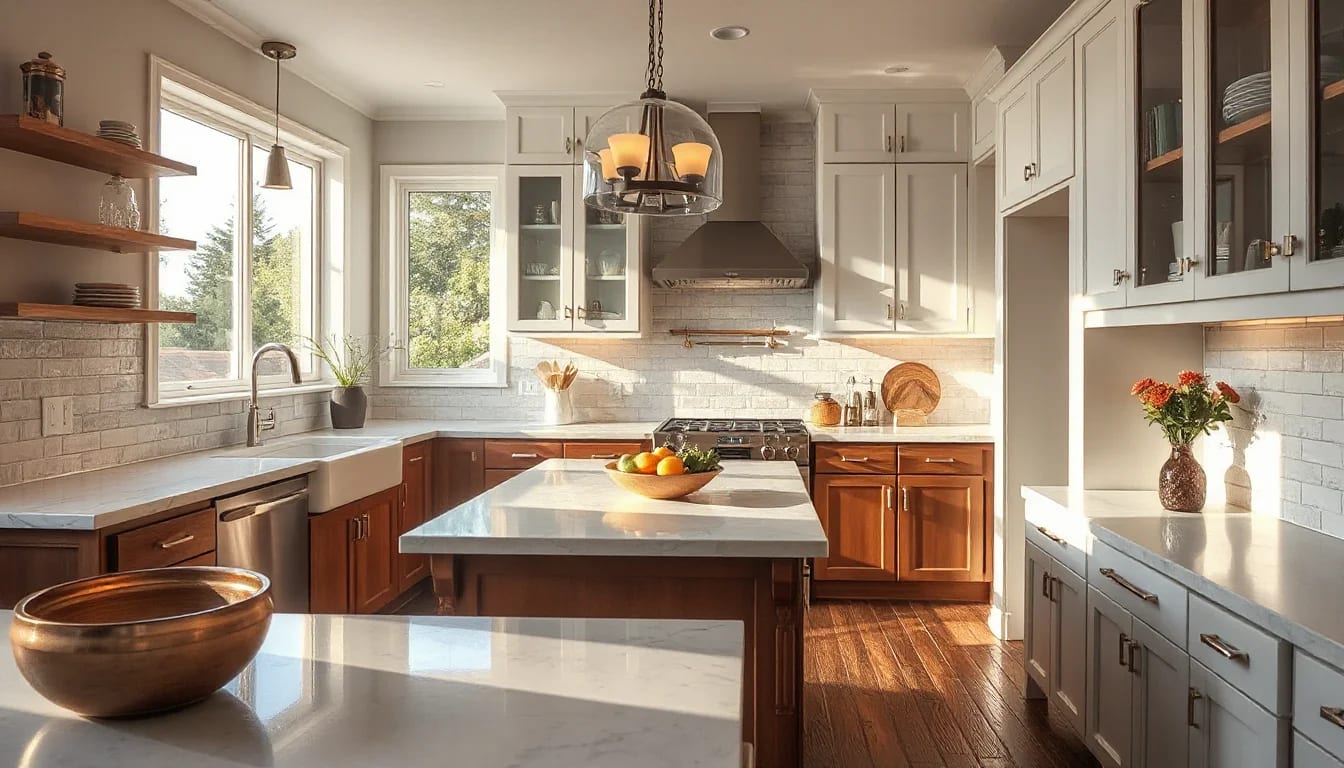
A well-planned kitchen update can make everyday routines easier while also strengthening a home’s market appeal in Hillsborough. The most effective improvements are usually not the flashiest ones—they are the ones that improve flow, storage, lighting, and durability. If you are deciding where to spend renovation dollars, focus on upgrades that look current, function smoothly, and fit the price point of the home.
Why Kitchen Improvements Matter So Much
In many homes, the kitchen handles far more than meal prep. It is where mornings begin, groceries land, packages pile up, and conversations happen while something simmers on the stove. Because it does so much, even modest changes can have an outsized effect on how a property feels day to day. Buyers notice that immediately, and sellers benefit when the room feels easy to use instead of cramped, dim, or dated.
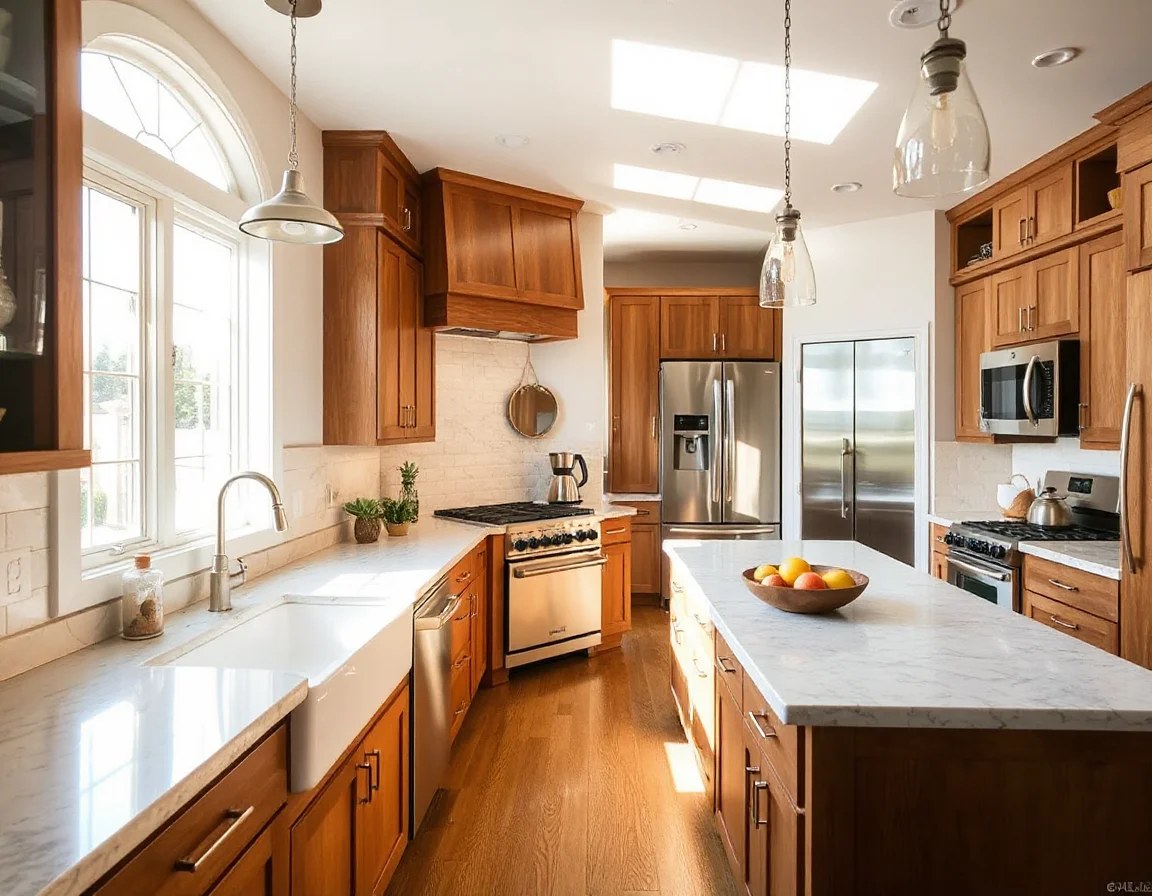
Hillsborough properties often compete on quality, condition, and design consistency. That means a kitchen does not need to be extravagant to stand out, but it does need to feel intentional. A room with strong lighting, efficient storage, and durable surfaces tends to read as better maintained overall. On the resale side, that can help reduce the mental renovation checklist buyers create as they tour a home.
It is also worth remembering that return on investment is not only measured by a future sale price. A kitchen that supports smoother cooking, cleanup, and movement can improve everyday living right away. The best projects usually balance both goals: immediate usefulness and broad market appeal.
If a kitchen already has a workable layout, targeted updates often outperform a full gut remodel on both timeline and budget control.
Upgrades That Improve Daily Use First
Before choosing statement finishes, start with function. Storage is one of the biggest pain points in older kitchens, and it is also one of the most practical areas to improve. Deep drawers for cookware, pull-out pantry shelves, tray dividers, and corner cabinet solutions can make the room feel larger without moving a single wall. These are the kinds of upgrades people appreciate every single day.
Lighting is another high-impact change. Many kitchens rely on one overhead fixture that leaves prep areas in shadow. Layered lighting works better: recessed ceiling lights for overall brightness, pendants over an island or peninsula, and under-cabinet lighting for counters. This combination makes the room more comfortable to use and photographs better when the home eventually goes on the market.
Appliance placement matters too. A refrigerator door that blocks a walkway or a dishwasher that interferes with traffic flow can make a kitchen feel awkward even if the finishes are beautiful. When possible, improve spacing around the sink, refrigerator, and cooking area so multiple tasks can happen without constant sidestepping. That kind of ease is hard to quantify, but easy to feel.
Counter surfaces and flooring should support real use, not just first impressions. Quartz remains popular because it offers a clean look and reliable durability with relatively low maintenance. On floors, materials that stand up well to foot traffic and are easy to clean tend to appeal to a broad range of buyers. A polished look matters, but resilience matters just as much.
The Finishes Buyers Tend to Notice
Once functionality is addressed, turn to the visual updates that help a kitchen feel current. Cabinet fronts, hardware, backsplash tile, and paint color do a lot of heavy lifting. In many Hillsborough homes, buyers respond well to finishes that feel timeless rather than overly trend-driven. Simple cabinet profiles, quality hardware, and restrained color palettes usually age better than highly specific design moments.
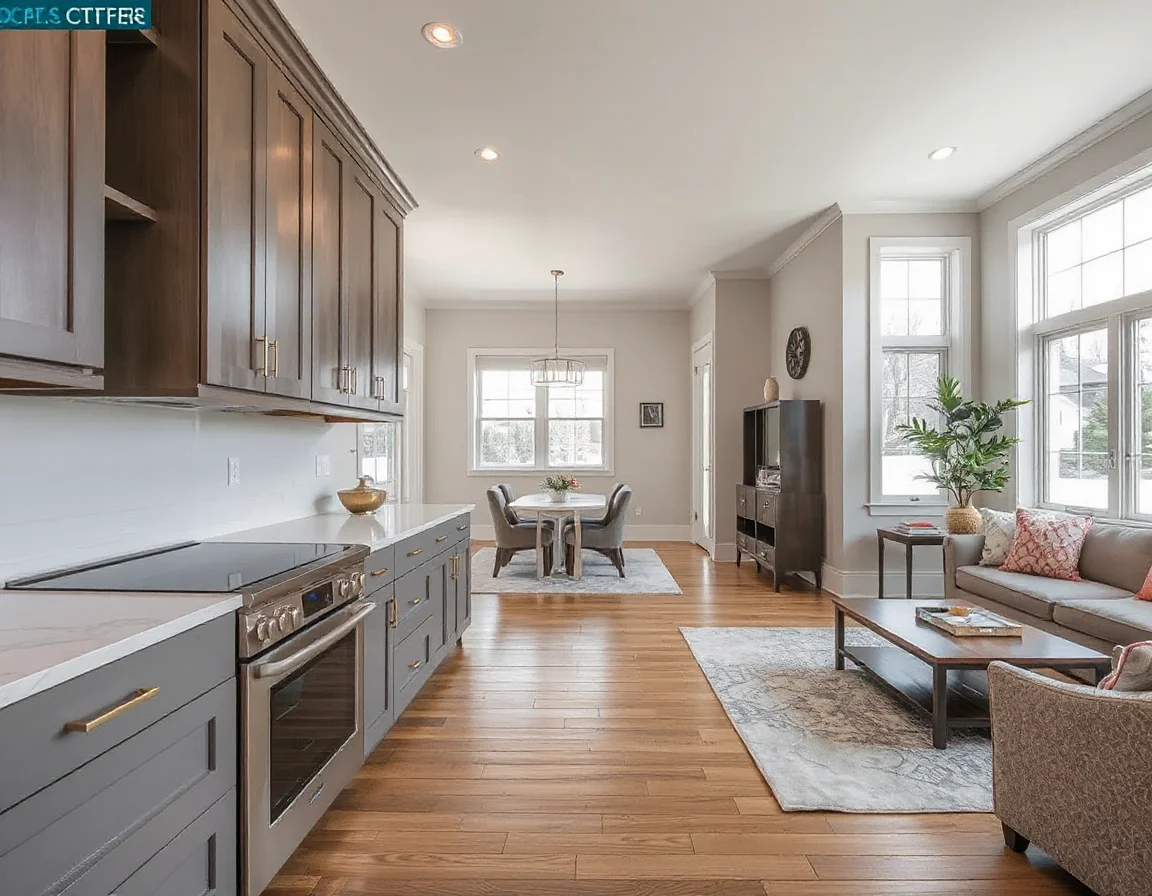
Refacing or repainting cabinets can be a strong option when the cabinet boxes are in good condition. That approach can dramatically shift the room’s appearance without the cost and disruption of replacing everything. Swapping dated hardware and adding a fresh backsplash often completes the transformation. Buyers tend to notice this combination because it signals that the kitchen has been refreshed thoughtfully, not patched together.
Ventilation is another detail that should not be overlooked. A properly sized hood and good airflow improve comfort while cooking and help preserve finishes over time. It may not be the most glamorous line item in a remodel budget, but it contributes to the overall sense that the kitchen was designed for real use.
When finishes are selected, consistency usually matters more than luxury labels. A cohesive kitchen often feels more upscale than one with expensive but mismatched materials.
For homes at higher price points, panel-ready appliances, slab backsplashes, and custom millwork can help the space align with the rest of the property. The key is making sure the level of finish fits the home as a whole. Over-improving one room while neighboring spaces remain unchanged can make the design feel uneven instead of elevated.
Where Renovation Dollars Usually Work Hardest
Some projects produce more value because they solve common frustrations and are visible in listing photos. Island improvements, better storage, updated counters, and upgraded lighting typically check both boxes. Fresh paint and cabinet refinishing also tend to be efficient ways to improve the look of the room without a major construction timeline.
By contrast, highly customized features can be harder to recapture at resale unless they are integrated carefully. Unusual color combinations, very specific specialty installations, or layouts that sacrifice storage for visual effect may narrow appeal. A smart renovation still reflects taste, but it should also support the practical expectations buyers bring when comparing homes.
Timing matters as well. If a sale could be within the next few years, choose improvements with broad usefulness and durable style. If the plan is to stay longer, there may be more room to tailor details to personal routines. Either way, renovations are easiest to evaluate when they start with clear priorities: what is frustrating now, what the home’s price point supports, and what buyers in the area are likely to expect.
A Practical Approach for Hillsborough Homeowners
The strongest kitchen upgrades are usually the ones that make a home easier to live in while keeping the design polished and cohesive. Better circulation, improved storage, reliable surfaces, and balanced lighting can all raise the perceived quality of the space. From there, finish selections should support the architecture of the home rather than compete with it.
For homeowners weighing a remodel, the smartest next step is often not choosing tile or hardware first—it is deciding what role the project needs to play. If the goal is daily comfort, prioritize workflow and convenience. If resale is part of the plan, focus on improvements that show well, wear well, and make the kitchen feel move-in ready. In Hillsborough, that combination tends to be where kitchen dollars work hardest.