
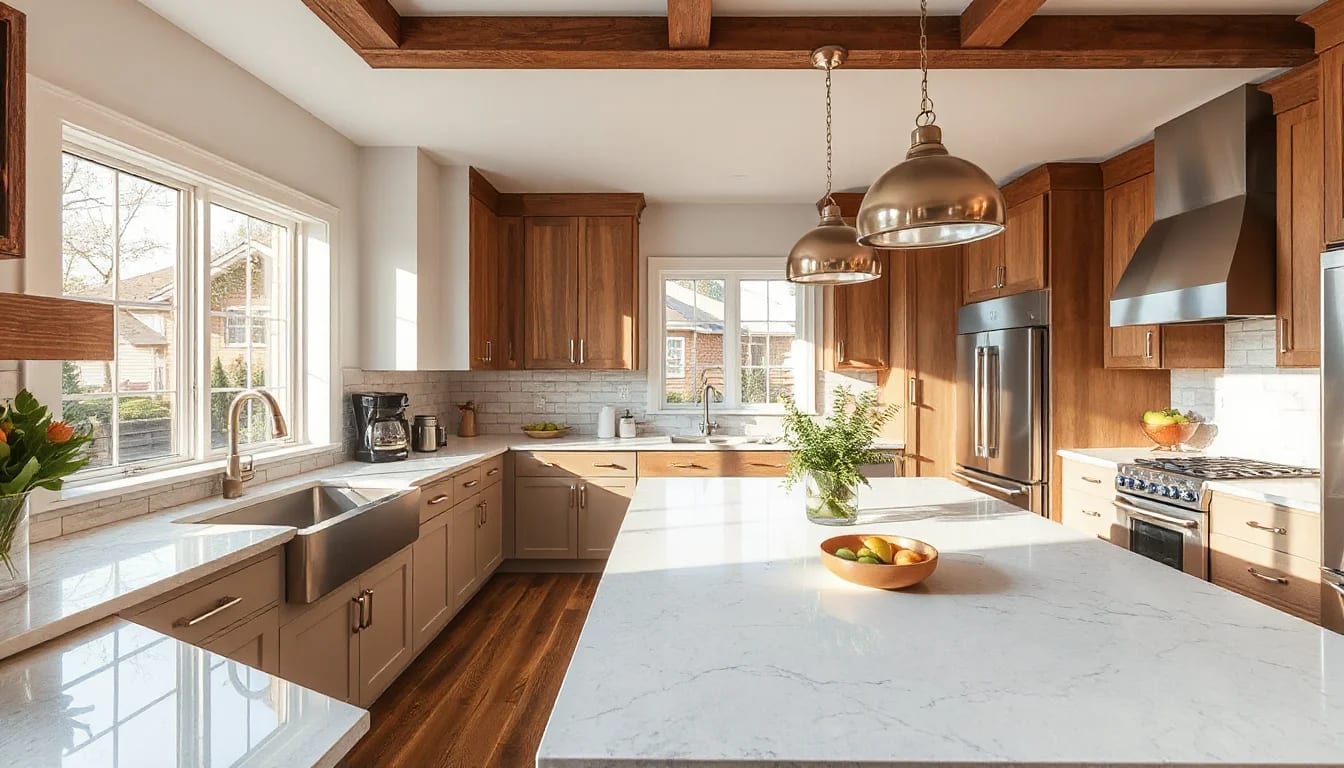
Thoughtful remodeling can help a Hillsborough property stand out, but the highest return usually comes from updates that improve function, finish quality, and buyer confidence rather than flashy overhauls. This guide breaks down the projects that often support resale value most effectively, plus where owners should be cautious about overspending. If you are weighing a pre-sale refresh, the goal is not to renovate everything—it is to focus on the changes that make the home feel well-maintained, current, and easy to move into.
Start With Condition, Not Just Style
When owners think about remodeling for resale, it is easy to jump straight to dramatic before-and-after ideas. In practice, buyers tend to respond first to overall condition: how the home has been maintained, whether major systems appear cared for, and whether the finishes feel consistent with the asking price. In a market like Hillsborough, where presentation matters and buyers often compare several high-value properties in a narrow price band, visible upkeep can influence both perception and negotiating leverage.
That means deferred maintenance should usually come before cosmetic wish-list items. Roof concerns, aging windows, worn flooring, outdated lighting, damaged trim, or a tired paint job can all pull attention away from a home’s strongest features. Even when a buyer plans to customize later, obvious maintenance items may raise questions about what else has been overlooked. A cleaner, more complete presentation often creates more value than one expensive statement project.
Another useful filter is consistency. A home with a refreshed kitchen but original bathrooms, mismatched flooring, and uneven paint can feel unfinished. By contrast, moderate updates carried through the main living spaces can make the entire property feel more intentional. Buyers are not only reacting to the cost of future work; they are also reacting to how simple or complicated the next steps seem after closing.
Before committing to a major remodel, compare the cost of the project with the impression created by lower-cost fixes like paint, lighting, flooring refinishing, and hardware updates. Small improvements across multiple rooms often photograph better than one oversized renovation in a single space.
Kitchens and Baths Still Matter—But Scope Is Everything
Kitchens and bathrooms remain two of the most closely watched areas in resale value discussions, and for good reason. They are used daily, they are expensive to change later, and they strongly influence whether a home feels current. In Hillsborough, buyers often expect a polished look, quality materials, and layouts that support comfortable everyday living as well as entertaining. Still, that does not automatically mean a full gut renovation is the best move before listing.
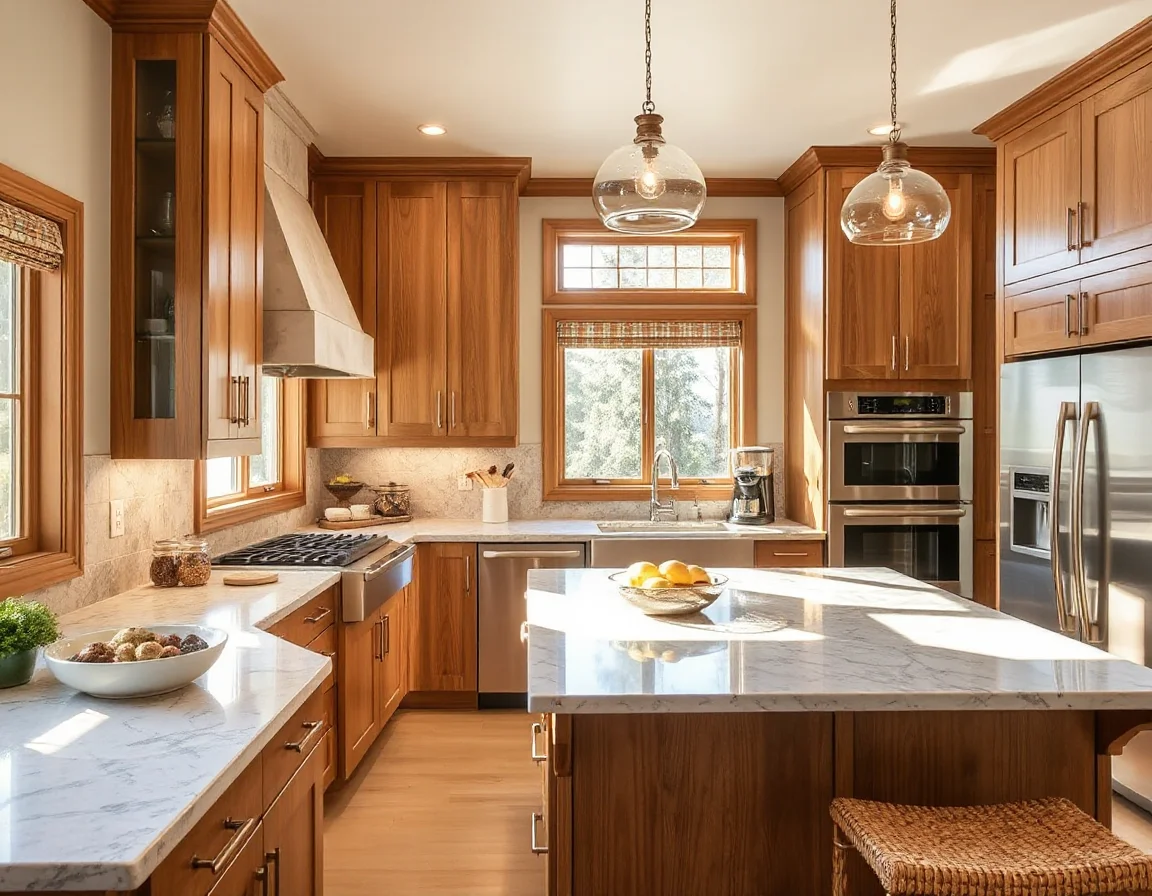
In many cases, a smart refresh is enough. Replacing dated counters, cabinet fronts, fixtures, appliances, mirrors, or tile can deliver a meaningful visual upgrade without extending the timeline or budget the way a complete reconfiguration would. If the existing layout works, preserving plumbing and electrical locations can keep costs under control while still giving the room a more refined appearance. The key is to choose durable, neutral finishes that feel high-quality and broadly appealing rather than highly personalized.
Bathrooms follow a similar pattern. Buyers notice clean lines, good lighting, well-kept grout, attractive vanities, and a fresh, cohesive finish palette. Swapping in modern fixtures, new mirrors, frameless shower glass, or updated tile in a primary bath can elevate the room substantially. Secondary baths also matter because they influence the overall sense of completeness throughout the house. A home does not need every room to be brand new, but it helps when no room feels neglected.
Where owners can lose value is by over-customizing. Extremely bold materials, trend-heavy color choices, or unusual layouts may reflect personal taste more than resale strategy. For pre-sale remodeling, it is often better to aim for timelessness than novelty. A restrained, well-executed renovation usually gives buyers more confidence than a dramatic one with limited appeal.
Focus on Curb Appeal and Outdoor Presentation
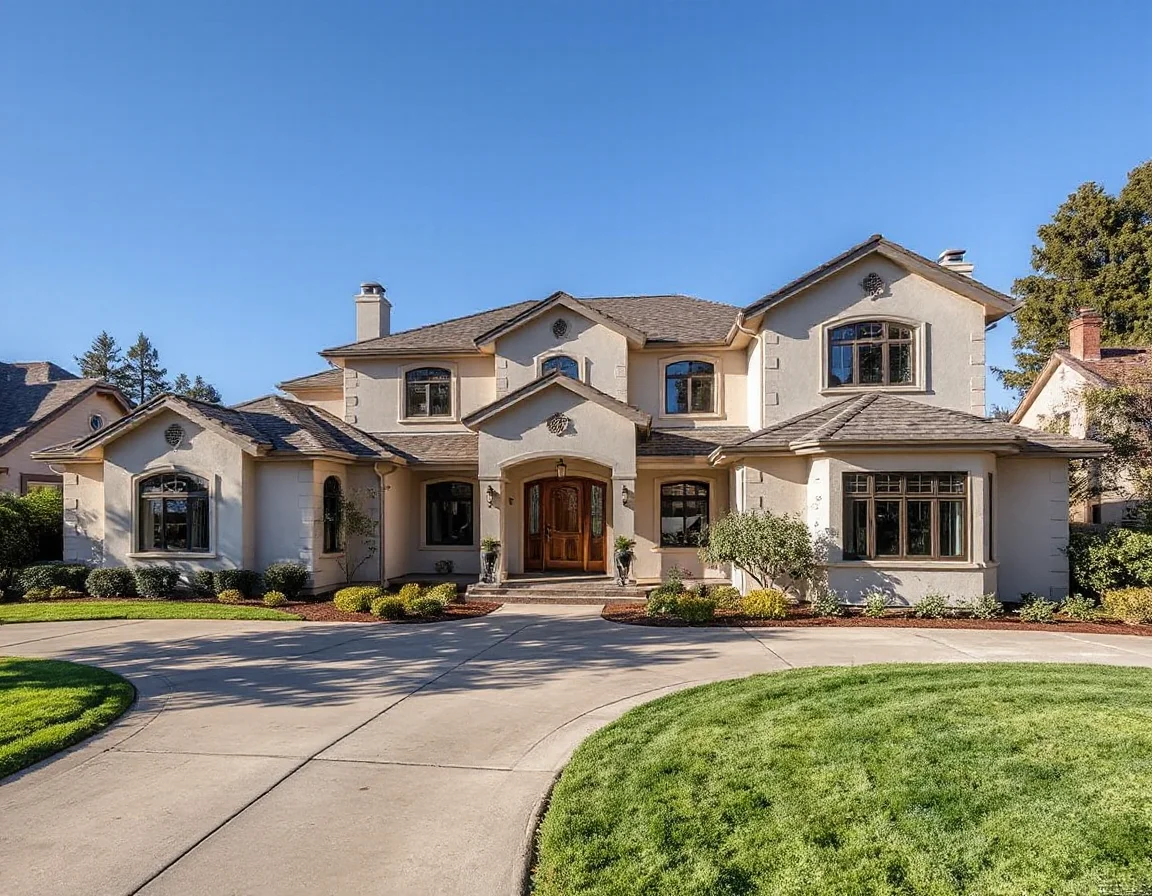
First impressions begin before anyone opens the front door. In an area known for larger lots, mature landscaping, and distinctive architecture, the exterior sets the tone for the entire showing experience. Fresh paint, repaired walkways, updated entry lighting, trimmed planting beds, and a well-maintained driveway can all make a property feel more valuable from the start. These improvements may not be the most glamorous part of a remodel plan, but they often have outsized impact because they shape expectations for everything inside.
Outdoor living areas can also strengthen resale value when they feel usable and cohesive with the home. That might mean resurfacing a patio, replacing dated railings, updating pool surrounds, improving landscape lighting, or creating a cleaner transition between indoor and outdoor spaces. Buyers tend to respond well when exterior spaces look ready for immediate enjoyment rather than future projects.
If the architecture is a major selling point, remodeling decisions should support it rather than compete with it. Materials, paint colors, and hardscape choices work best when they align with the home’s style. An exterior update that feels authentic to the property usually reads as more valuable than one chasing a short-lived design trend.
Exterior improvements often do double duty: they strengthen curb appeal in person and improve listing photography online, where buyers form their first impression long before a showing is scheduled.
Energy Efficiency, Storage, and Layout Improvements Add Quiet Value
Not every resale-friendly project is immediately visible. Many buyers place real value on upgrades that improve comfort, efficiency, and everyday usability, even if those changes are less photogenic than a new backsplash. Updated HVAC systems, better insulation, newer windows, improved lighting plans, and modernized electrical capacity can all help a home feel more current and reduce concerns during inspections.
Storage is another underappreciated value driver. Built-ins, improved closet systems, organized mudroom-style drop zones, and garage functionality can make a home live better without changing its footprint. These are the kinds of details that buyers may not mention first, but they often contribute to a stronger overall response during tours.
Layout adjustments can be worthwhile too, though they require discipline. Opening up a cramped kitchen, improving flow between living spaces, or creating a clearer connection to outdoor areas can enhance both usability and resale appeal. But structural changes are expensive, time-consuming, and easy to overdo before a sale. The best candidates are modifications that solve obvious functional friction points rather than speculative redesigns meant to chase a trend.
When deciding whether to pursue one of these projects, owners should ask a practical question: will the change be easy for buyers to understand and appreciate? If the answer is yes, it may support value. If the benefit is highly technical or too hidden to influence perception, the return may be less direct.
Know When to Stop Spending
One of the most important parts of resale remodeling is knowing where the ceiling is. Not every dollar spent before listing comes back in full, especially when timelines tighten or tastes become too specific. The strongest pre-sale strategy is usually selective: improve what is visibly tired, address meaningful maintenance issues, and bring the home into alignment with buyer expectations at its likely price point.
That is why local guidance matters. A project that makes sense for one Hillsborough property may be unnecessary for another depending on lot, architecture, condition, and competition from nearby listings. Sometimes the right answer is a targeted refresh and strong presentation. Other times, a more substantial remodel can help justify a higher asking range. The decision should be based on market positioning, not guesswork.
Talk through your remodeling and resale plan
In the end, the best remodeling projects are the ones that make a home feel cared for, current, and easy to say yes to. When updates reduce buyer hesitation and highlight the property’s existing strengths, they can support a smoother sale and stronger resale value without unnecessary overspending.