
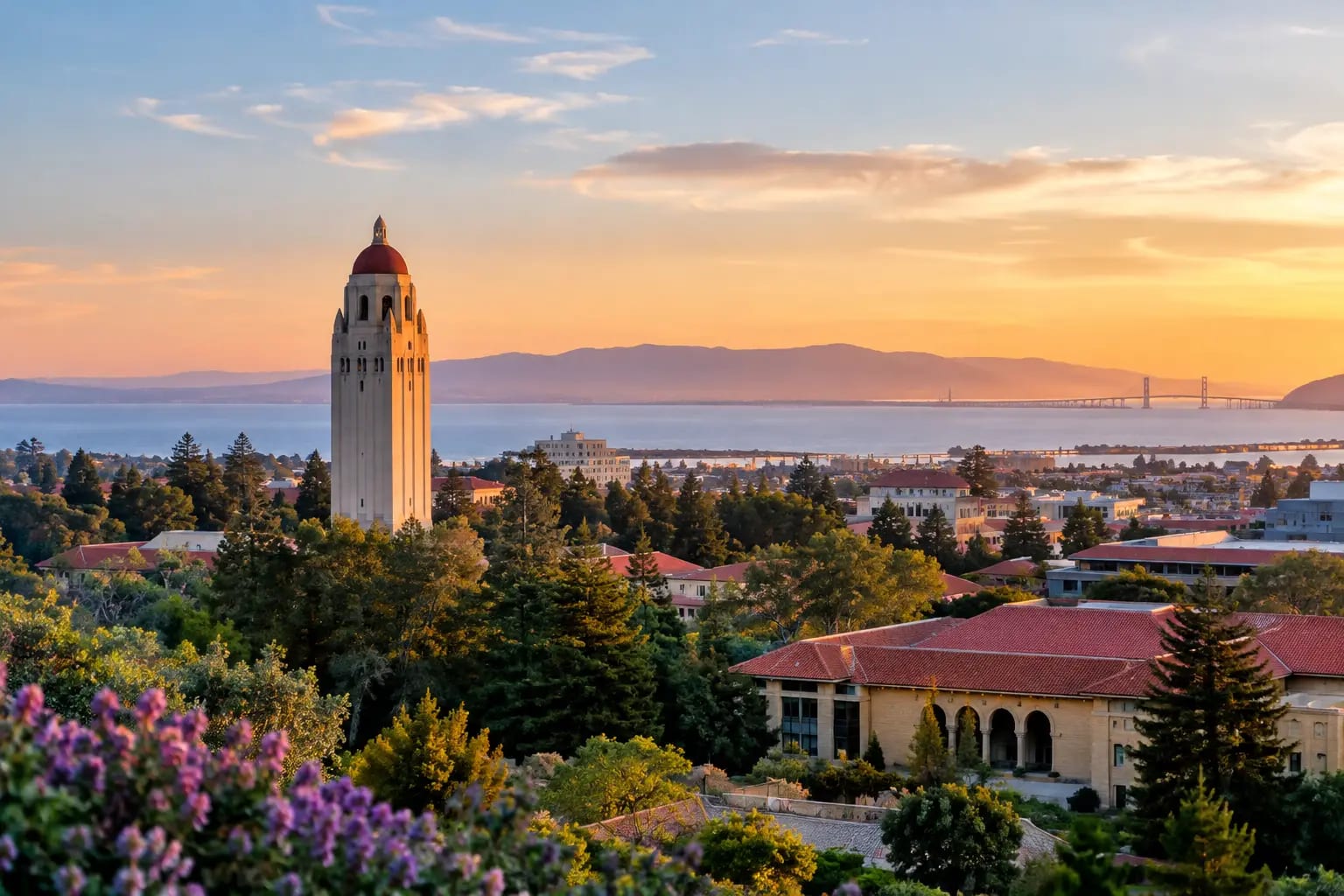

A Stanford-area home search can change significantly from one side of El Camino Real to the other. A five-minute shift in location may affect school options, lot size, walkability, housing style, and the feel of the daily commute. The best neighborhoods near Stanford are not defined by proximity alone. They are defined by how well a neighborhood supports the life you intend to build there.
For a faculty member who wants to bike to campus, an executive balancing a Menlo Park office and family schedules, or a relocating buyer seeking a polished Peninsula base, the right answer will differ. This is a market where a clear brief matters. The most desirable homes can attract strong competition, and a thoughtful search begins by deciding which trade-offs are truly worth making.
How to Choose the Best Neighborhoods Near Stanford
Start with the commute you will actually make, rather than the one that looks shortest on a map. Stanford’s campus is broad, and access to a particular office, hospital, school, or athletic facility can influence the ideal approach route. Buyers commuting beyond Stanford should also consider access to Highway 101, Interstate 280, Caltrain, and major employment centers in Menlo Park, Mountain View, and San Francisco.
Housing preferences deserve equal weight. Near Stanford, buyers will find everything from architecturally significant estates and renovated traditional homes to compact cottages, townhomes, and newer condominium residences. A larger lot may come with a quieter setting and a longer trip to coffee or dinner. A more central address may offer a lively routine but less privacy, parking, or expansion potential.
For families, public-school assignment boundaries are often a decisive factor, but they should be verified for each individual property. Buyers should also look beyond rankings to consider school commute, after-school logistics, parks, and whether the home will work as children’s needs change. For investors and buyers who may later lease their home, tenant demand, maintenance exposure, and the property’s long-term appeal also belong in the initial conversation.
Best Neighborhoods Near Stanford for Different Lifestyles
Old Palo Alto and Professorville
Old Palo Alto remains one of the most distinguished choices for buyers who want an established residential setting close to Stanford and downtown Palo Alto. Tree-lined streets, substantial homes, and generous lots create a private, polished atmosphere. The neighborhood’s architectural variety is a meaningful part of its appeal, with period homes sitting alongside carefully executed renovations and newer construction.
This is often a fit for buyers who value prestige, walkability, and a short campus commute without sacrificing a traditional neighborhood setting. It can also suit households that want access to downtown restaurants and shops while retaining a sense of separation from commercial activity.
The trade-off is price and limited inventory. Buyers may encounter significant competition for well-located, move-in-ready homes, particularly those with thoughtful updates, strong indoor-outdoor flow, and flexible space for work or guests. Older homes can be exceptional, but buyers should budget carefully for systems, deferred maintenance, and preservation considerations.
Professorville offers a related appeal with historic character and exceptional access to both downtown Palo Alto and Stanford. It is especially compelling for buyers who place a premium on a walkable daily routine and enjoy homes with individual architectural identity. The same caution applies: historic charm should be paired with a disciplined inspection and renovation strategy.
Crescent Park and Duveneck-St. Francis
Crescent Park is a classic choice for buyers looking for larger-scale homes, mature landscaping, and a refined neighborhood presence close to downtown Palo Alto and the Stanford corridor. Its streets feel residential and composed, yet the location keeps daily errands and dining within easy reach. Many buyers are drawn to the area’s blend of gracious older homes, rebuilt properties, and an enduring sense of value.
Duveneck-St. Francis can offer a more relaxed residential rhythm while remaining highly convenient to Palo Alto amenities. It appeals to households seeking a community-oriented feel, access to parks, and a range of home styles. Depending on the property, buyers may find more approachable entry points than in the most exclusive Palo Alto enclaves, though strong homes still command attention.
Both neighborhoods reward buyers who can distinguish between a home that is cosmetically finished and one that is strategically improved. Lot orientation, privacy from adjacent homes, floor-plan function, and future expansion options can have a meaningful effect on long-term value.
College Terrace
College Terrace is among the most practical answers for buyers whose priority is being close to Stanford. Its proximity to campus is difficult to match, and the neighborhood’s smaller lots and connected street pattern create a more intimate, walkable feel than many nearby areas. Residents can often enjoy a bike-friendly routine to Stanford, California Avenue, and local services.
The housing stock includes charming older homes, remodeled properties, and opportunities where buyers may see potential for a future redesign. For professionals who want location first and do not require a large yard, College Terrace can be especially compelling.
Its constraints are part of the evaluation. Homes may have tighter footprints, limited parking, and less separation from neighbors than properties in Old Palo Alto or Atherton. Buyers should assess whether the immediate convenience outweighs a smaller lot or whether a home’s layout can support future work-from-home, family, or guest needs.
Midtown Palo Alto
Midtown Palo Alto offers a highly livable balance of neighborhood comfort, local shopping, and access to Stanford. It is often attractive to move-up buyers and families who want more of a residential routine while remaining within a manageable drive or bike ride of campus. The area includes parks, everyday retail, and a broad mix of ranch homes, updated traditional residences, and newer construction.
For buyers prioritizing public schools, Midtown frequently enters the conversation, though assignment verification remains essential. It can also make sense for households that value access to both Highway 101 and central Palo Alto without placing downtown walkability at the top of their list.
Compared with neighborhoods closer to campus, the commute is modestly longer. In exchange, buyers may find homes with more conventional family layouts and a slightly less formal atmosphere. Inventory remains competitive, particularly for renovated homes on quiet streets with strong outdoor space.
Menlo Park and Allied Arts
Menlo Park is a natural choice for buyers who want convenient access to Stanford while also needing regular proximity to Sand Hill Road, Menlo Park employers, or Caltrain. Downtown Menlo Park provides a sophisticated but approachable center for dining, errands, and community events, while nearby residential streets offer a range of housing styles and neighborhood personalities.
Allied Arts is particularly sought after for its attractive streets, distinctive homes, and proximity to downtown Menlo Park and Stanford. It can work beautifully for buyers who want a walkable, established setting without committing to Palo Alto’s central neighborhoods. The Willows offers another appealing option, with a more relaxed residential character and convenient access to both Palo Alto and Menlo Park amenities.
The key distinction is property type and location within Menlo Park. Some homes offer exceptional walkability but smaller lots, while others provide more land and privacy at the cost of a less central address. For buyers considering resale, proximity to downtown, Stanford, and major commuter routes can be especially valuable.
Atherton
Atherton serves a different buyer profile: those seeking significant privacy, larger parcels, and a more estate-oriented setting. It is close enough to Stanford for a practical commute, yet its residential experience is intentionally removed from the energy of downtown Palo Alto or Menlo Park. Mature trees, expansive grounds, and architectural scale define much of the market.
For executives, entrepreneurs, and established families, Atherton can be a powerful long-term choice when space, discretion, and land value are central priorities. It also offers flexibility for buyers who need guest accommodations, a dedicated office, recreational space, or room for a future project.
The trade-off is clear. Atherton is less walkable for daily errands, and its homes often require more substantial operating, landscaping, and renovation budgets. The strongest acquisition strategy considers not only the residence but also privacy, setbacks, lot usability, and the local market’s expectations for condition and design.
Make the Search Specific Before It Becomes Competitive
The right Stanford-area neighborhood is rarely selected by a single metric. A buyer may choose College Terrace for the campus lifestyle, Midtown for daily family function, Menlo Park for a balanced commute, or Atherton for privacy and scale. Each can be an excellent decision when it reflects the buyer’s actual priorities rather than a general idea of prestige or convenience.
Before making offers, narrow the search to the few factors that cannot be changed after closing: location, lot, light, street character, school logistics, and access to the places that shape your week. Finishes can be improved. A well-positioned home in the right neighborhood gives you the stronger foundation for every decision that follows.