
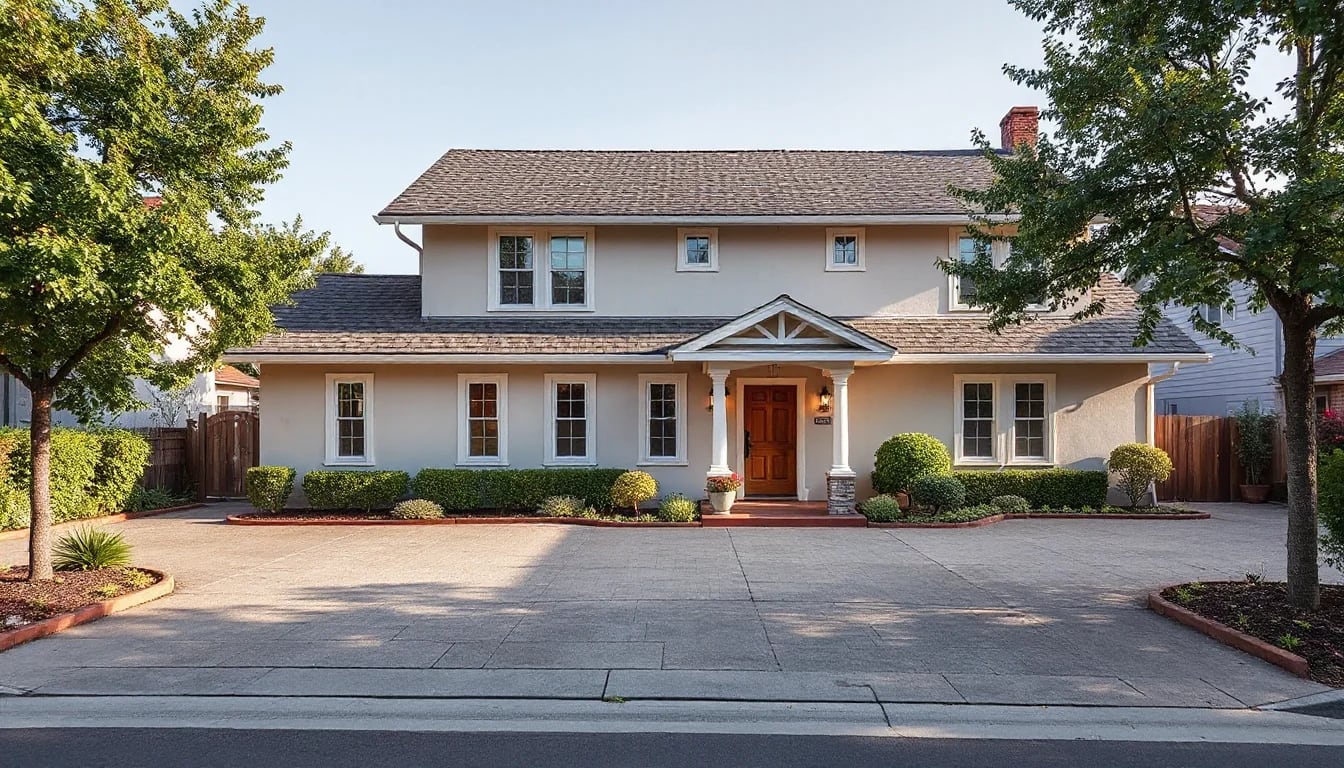
A San Mateo duplex can create two income streams, but the return is shaped just as much by financing, repairs, vacancy reserves, and local operating expenses as it is by rent. Use a disciplined ROI review before writing an offer so the property’s day-to-day costs, capital needs, and realistic holding timeline are visible from the start.
Start With the Income, Then Stress-Test It
A duplex analysis begins with a simple question: what income can the property reasonably produce today and over the period you expect to own it? In San Mateo, where housing values and operating costs can both be substantial, it is important to separate an appealing asking price or projected rent figure from the numbers that will actually land in an owner’s account. Review each unit independently, including its bedroom count, condition, parking, outdoor space, utility setup, and any current lease terms.
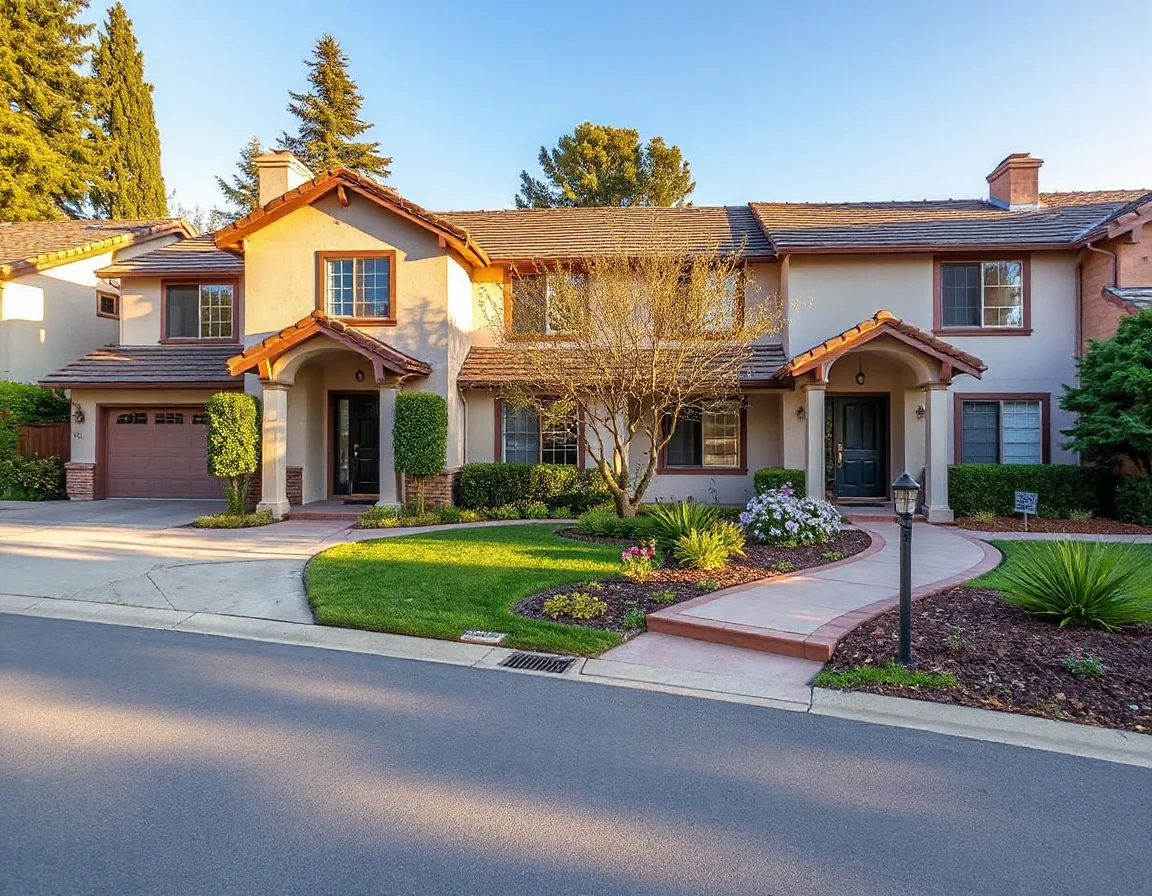
Gross scheduled rent is the starting point, not the finish line. Add the monthly rent from both units, then annualize it. If one unit is vacant, avoid automatically using an optimistic estimate; compare similar active and recently leased homes with comparable layouts, finishes, and included utilities. If the property has a garage, storage, laundry, or parking that may create separate income, confirm that the use is permitted and practical before including it in your model.
Next, build in vacancy and credit loss. Even a well-positioned property can experience turnover, leasing delays, or a period when work must be completed between occupants. Investors often reserve a percentage of gross income for vacancy, but the right assumption depends on unit condition, lease timing, pricing strategy, and the depth of the local rental pool. A conservative forecast is more useful than a best-case spreadsheet when you are deciding how much flexibility the investment has.
Also look closely at the existing occupancy. Leases, deposits, payment history, notices, and utility responsibilities are part of the asset. A duplex with stable tenancy may have a different first-year cash-flow profile than one with two vacant units requiring immediate leasing, upgrades, and marketing. Buyers should review documents carefully and seek appropriate legal, tax, and property-management guidance for questions involving tenancy rules or transfer obligations.
A duplex can look strong on paper until turnover is added to the model. Include vacancy, unit preparation, leasing costs, and a realistic rent-up timeline before relying on projected first-year income.
For a clearer view, create three scenarios: conservative, expected, and improved. The conservative version may assume a longer vacancy period and higher repair reserve. The expected version reflects current condition and verified lease information. The improved version can include planned renovations or operational changes, but only after estimating their cost, timing, permit requirements, and potential disruption. Comparing all three helps distinguish a durable investment from one that only works under ideal conditions.
Map Every Holding Cost Before You Calculate ROI
Return on investment is not simply rent minus mortgage payment. The most useful calculation accounts for the full cost of holding the property, including expenses that arrive monthly, annually, and unexpectedly. Start with principal and interest if financing is involved, then add property taxes, insurance, utilities paid by the owner, waste service, landscaping, common-area maintenance, property management, bookkeeping, licensing or registration requirements where applicable, and professional services.

Property taxes deserve particular attention because a purchase can change the assessed value and therefore the future tax bill. Insurance costs can also vary with rebuilding estimates, coverage choices, deductibles, claim history, and the building’s features. Request current documentation when available, but build a forward-looking estimate rather than assuming the seller’s historical expense total will continue unchanged after closing.
Maintenance and capital expenditures should be separate lines in the budget. Maintenance covers recurring smaller items: plumbing service, appliance repair, pest treatment, gutter cleaning, exterior touch-ups, and routine landscaping. Capital expenditures are larger, longer-lived improvements such as a roof, water heater, sewer line work, electrical upgrades, exterior paint, windows, or major appliance replacement. A property may have low repair invoices one year while still needing a meaningful reserve for future replacements.
A thoughtful inspection process can help identify near-term priorities. Ask about age and condition of major systems, drainage, foundation observations, electrical panels, heating equipment, water heaters, roofs, and any shared utility infrastructure. For a duplex, clarify whether each unit has separately metered gas, electricity, and water. Shared systems are not necessarily a problem, but they affect expense allocation, lease language, operational complexity, and upgrade planning.
Treat capital reserves as a monthly operating discipline, not an occasional surprise. Even modest recurring contributions can make a future roof, sewer repair, or appliance replacement less disruptive to cash flow.
To calculate a practical cash-on-cash return, estimate annual net operating income after vacancy and operating expenses, then subtract annual debt service to find pre-tax cash flow. Divide that cash flow by the total cash invested, including down payment, closing costs, initial repairs, and reserves. This measure does not capture every benefit or risk, but it gives buyers a grounded way to compare properties with different prices, financing terms, and renovation needs.
Look Beyond Year One
The first year tells only part of the story. A longer holding-period model can reveal how the property may perform as leases renew, expenses change, financing amortizes, and planned improvements are completed. Rather than assuming rent growth or appreciation, test a range of outcomes. Use modest assumptions, include annual increases in taxes, insurance, and maintenance, and leave room for intervals when a unit may need work before it can be re-leased.
Renovation decisions should be measured against both cost and disruption. Durable flooring, efficient fixtures, updated kitchens, improved lighting, and refreshed exterior spaces may support the property’s condition and leasing appeal, but each project has an upfront expense and a schedule. Prioritize work that addresses deferred maintenance, protects the building envelope, improves safety and functionality, or creates a demonstrable operating benefit. Cosmetic upgrades can be valuable, yet they should not crowd out essential reserves.
Financing deserves the same sensitivity testing as rents and expenses. Compare the monthly payment at the actual quoted rate, not a headline estimate. If an adjustable loan, interest-only period, or planned refinance is part of the strategy, model the payment after the initial period ends. Buyers who understand the payment under several interest-rate and income scenarios are better positioned to choose a purchase price that supports the broader investment plan.
Make the Decision With a Complete Operating Plan
A well-evaluated San Mateo duplex is more than a building with two doors. It is an operating business with lease obligations, physical systems, recurring costs, and a timeline for stewardship. The strongest analysis combines property due diligence with a realistic budget, clear reserve targets, and a holding plan that can absorb ordinary changes without depending on perfect conditions.
Before moving forward, organize the assumptions in one place: purchase price, financing, current rents, market-rent support, vacancy allowance, expenses, repair estimates, capital reserves, and estimated cash flow. Then revisit the model after inspections, disclosures, lender updates, and lease review. If the numbers remain workable after those revisions, you will have a more reliable foundation for evaluating opportunity, risk, and long-term ownership goals.