

The best resale-minded maintenance projects in Millbrae are rarely the flashiest ones. Protecting the roof, drainage, exterior finishes, mechanical systems, and day-to-day functionality can help a home present as well cared for when it is time to sell. The goal is not to over-improve; it is to make smart, documented updates that reduce buyer uncertainty and highlight a property’s existing strengths.
Start With the Work Buyers Cannot Easily See
When preparing a Millbrae home for a future sale, it is tempting to focus first on a new backsplash or a dramatic light fixture. Those details can help with presentation, but the strongest resale payoff often begins with practical maintenance. Buyers and inspectors pay close attention to the systems that protect the home: roofing, gutters, drainage, plumbing, electrical components, heating, and ventilation. A home that looks polished but raises questions about deferred maintenance can invite repair requests, slower decisions, or a more cautious offer.
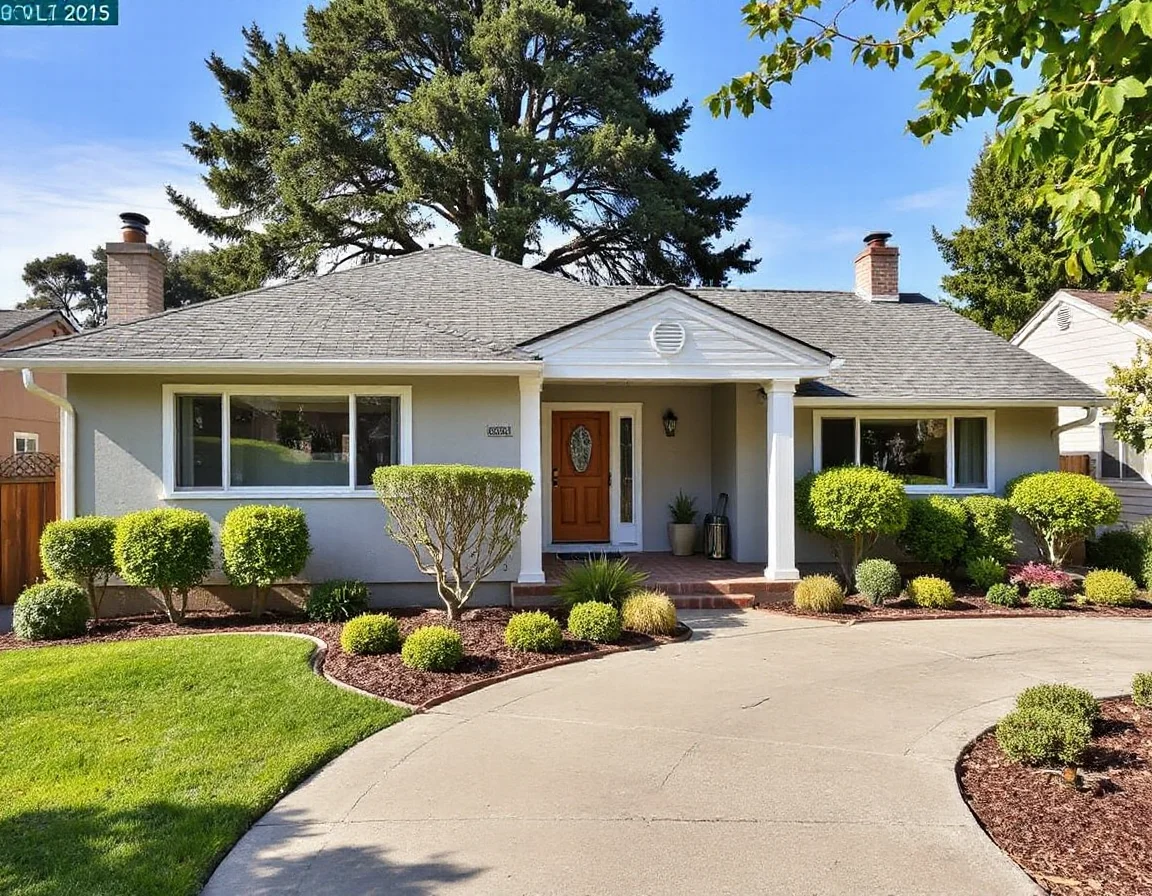
Millbrae’s mix of coastal air, seasonal rain, hillside parcels, and mature housing stock makes exterior upkeep especially meaningful. Start by looking up, around, and below the home. A roof nearing the end of its useful life, loose flashing, clogged gutters, worn caulking, or drainage that directs water toward the foundation should move ahead of purely cosmetic projects. Cleaning gutters, extending downspouts where appropriate, clearing debris, and repairing visible wood deterioration are modest steps that can improve both performance and curb appeal.
Documentation matters almost as much as the work itself. Keep invoices, warranties, permits, and service records in one organized file. If the roof was serviced, the sewer lateral was inspected, the furnace was maintained, or a contractor corrected drainage, prospective buyers can review a clearer ownership story. That level of preparation does not eliminate every question during due diligence, but it gives a listing more credibility than vague assurances that “everything has been maintained.”
A small repair completed early is often less expensive and less disruptive than an urgent repair discovered during escrow. Build a maintenance file as you go, rather than trying to recreate years of records before listing.
It can also be wise to schedule preventative service rather than waiting for a system to fail. Annual HVAC maintenance, water-heater evaluation, chimney inspection when applicable, and periodic electrical review can reveal issues while there is time to compare solutions. For sellers, this approach supports a more controlled timeline; for owners staying put, it can make daily operation more predictable.
Make the Exterior Feel Cared For, Not Overdone
First impressions begin well before a visitor reaches the front door. In Millbrae, where many homes have established landscaping and distinct architectural details, exterior maintenance can have an outsized effect on perceived value. Fresh, well-chosen paint; repaired trim; a clean driveway; functioning exterior lighting; and a clearly maintained entry can make a property feel more inviting from the first photograph through the final showing.
The key is to prioritize condition over trend. Replace cracked walkways where they create a clear maintenance concern, repair gates that drag, tighten loose railings, and address peeling paint before it spreads. Landscaping does not need to be elaborate to be effective. Pruned shrubs, refreshed mulch, defined planting areas, and healthy-looking ground cover can frame the home without creating a high-maintenance impression. If irrigation is present, check for leaks and confirm that controls work as intended.

Exterior lighting is another practical project with visual benefits. Replace burned-out bulbs, clean cloudy fixtures, and ensure paths, entrances, and house numbers are easy to see. Use fixtures that fit the home’s style and provide even illumination rather than theatrical brightness. These are small details, but they improve the experience of arriving at the property for evening appointments or inspections.
Before investing in a large landscape redesign, consider the return on effort. A major hardscape project may be worthwhile when it solves a drainage, access, or usability issue, but a full redesign is not automatically the best resale investment. Often, a thorough cleanup and targeted repairs deliver more value per dollar because they allow buyers to appreciate the outdoor space without wondering what needs immediate attention.
Curb appeal is most persuasive when it signals consistent care: clean edges, working lights, sound surfaces, and landscaping that complements the home rather than competing with it.
For homes on sloped lots or properties with retaining elements, obtain professional advice before making cosmetic changes. Drainage, grading, and structural concerns should be addressed by qualified professionals, and any work requiring permits should be handled through the appropriate local process. A well-executed repair is an asset; an undocumented shortcut can become a point of concern later.
Improve Everyday Function in Kitchens, Baths, and Living Areas
Interior maintenance projects can produce strong resale results when they improve function, cleanliness, and visual continuity. Kitchens and bathrooms are frequent focal points, but a full renovation is not the only path forward. Regrouting tile, replacing failing caulk, repairing cabinet hinges, updating worn faucet components, securing loose outlets, and correcting slow drains can make these rooms feel substantially more cared for.
When selecting larger updates, aim for durable materials and a cohesive finish rather than highly personalized choices. A worn laminate counter, damaged vanity, or obsolete light fixture may justify replacement, particularly if the surrounding room is in solid condition. Neutral, well-installed finishes generally make it easier for buyers to evaluate the home’s layout and potential. The objective is not to erase every sign of age; it is to show that the property has been responsibly maintained.
Floors deserve a close look as well. Professional cleaning, refinishing where appropriate, replacement of damaged boards, and repair of loose transitions can refresh an entire home. If carpeting is heavily worn or holds persistent odors, replacement may be more effective than repeated cleaning. The same principle applies to paint: repairing wall damage and applying a consistent, light-reflecting palette can unify rooms and help listing photography read clearly.
Do not overlook simple operational details. Test windows, doors, locks, smoke alarms, carbon monoxide alarms, fans, garage doors, and built-in appliances. Replace missing screens, adjust doors that stick, and correct obvious hardware issues. These tasks may not create a dramatic “before and after,” yet they reduce the number of small distractions a buyer notices while touring.
Plan Bigger Projects Around Timing and Local Requirements
For owners considering a roof replacement, window upgrade, electrical-panel work, plumbing replacement, seismic improvements, or an accessory-space renovation, timing is crucial. Obtain more than one qualified estimate, ask what permits may apply, and allow room in the schedule for materials, inspections, and final cleanup. A project that is unfinished when a home goes on the market can create uncertainty, even when the plan is sound.
It is also useful to separate a necessary repair from an aspirational remodel. Replacing a failed water heater or correcting water intrusion is generally a maintenance priority. Reconfiguring a kitchen, moving walls, or adding high-end finishes is a more strategic decision that should be weighed against the home’s condition, nearby comparable properties, budget, and expected sale timeline. There is no universal upgrade that guarantees a matching increase in resale price.
Before listing, a pre-sale walk-through with a real estate professional can help prioritize the work that will be most visible to buyers. The conversation should include condition, likely inspection items, presentation, records, and timing—not just decorative preferences. With a clear plan, owners can focus their budget on improvements that support a confident market launch.
Talk with Kathy Chan about preparing your home for sale
A Well-Maintained Home Tells a Stronger Story
The most valuable maintenance plan is usually steady, not frantic. Addressing exterior protection, mechanical systems, drainage, functional repairs, and fresh presentation over time can help prevent a long last-minute to-do list. It also allows each project to be selected thoughtfully, completed properly, and documented for future reference.
Whether a sale is months away or simply part of a long-range plan, treat maintenance as an investment in clarity. A home that operates well, looks cared for, and comes with organized records gives buyers more room to focus on its layout, setting, and possibilities. In a competitive Bay Area market, that confidence can be one of the most practical advantages a seller can create.