
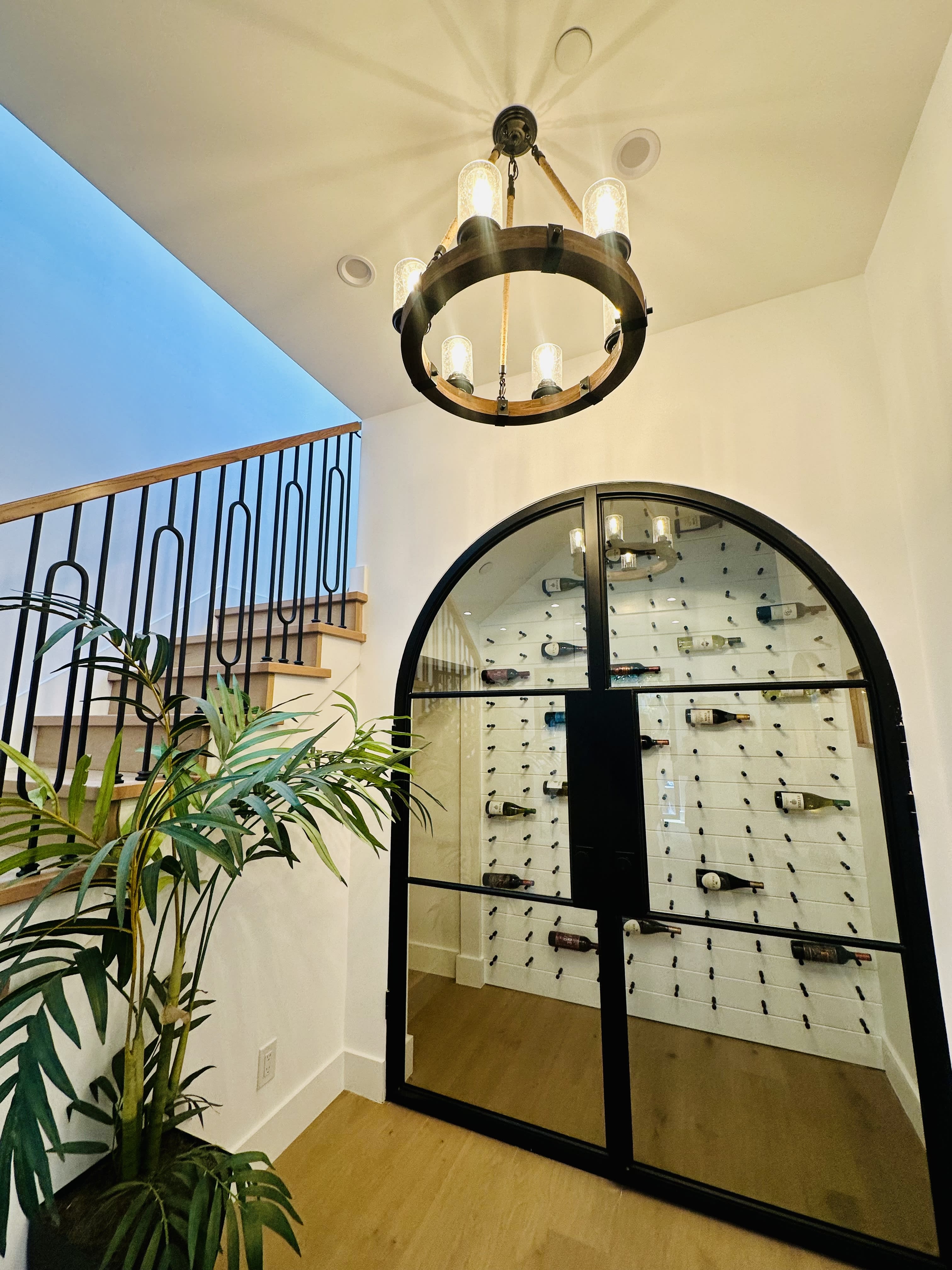
Preparing a Burlingame home for sale is less about chasing perfection and more about making smart, visible improvements before buyers arrive. A focused plan for decluttering, repairs, and pricing can help your property photograph well, show clearly, and enter the market with a strategy grounded in current local conditions. Use this checklist to turn pre-listing tasks into an organized, manageable process.
Start With a Clear, Room-by-Room Plan
Listing preparation can feel overwhelming when every drawer, surface, and repair seems to compete for attention. The simplest way to begin is to walk through the home as if seeing it for the first time, taking notes on what is visible, what is unfinished, and what could distract from the property’s strongest features. In Burlingame, where buyers often compare architectural character, indoor-outdoor usability, storage, condition, and location convenience across several homes, clarity matters.

Decluttering is not the same as erasing personality. It is about allowing room proportions, window placement, finishes, and storage to be easy to notice. Start with entry areas, kitchen counters, bathroom vanities, coffee tables, desks, closets, and garage zones. Remove excess items, consolidate collections, and store paperwork, cords, seasonal decorations, and personal items that do not need to be present for photography or showings.
Pay particular attention to pathways. A buyer should be able to move naturally through every room, open key doors, and understand how spaces connect without navigating around oversized furniture or stacks of belongings. If a room has an unclear purpose, give it one. A spare room might read as an office, reading room, exercise area, or flexible space, provided the setup is tidy and proportionate to the room.
The most effective pre-listing edits are often visual rather than expensive: clear kitchen counters, open window coverings, organized closets, and accessible walkways can change how a home feels in photos and in person.
Consider renting a storage unit or using off-site storage during the selling period if closets, the garage, or living areas are crowded. This can make the move easier later while helping the home present with more usable space now. For occupied properties, a professional stager or real estate advisor can also help identify which existing pieces support the layout and which ones should be removed temporarily.
Prioritize Repairs Buyers Will Notice
Not every repair requires a major renovation, but deferred maintenance can become a question mark for buyers. Focus first on items that are visible, functional, or likely to appear during an inspection: dripping faucets, loose cabinet hardware, damaged screens, cracked caulking, sticking doors, worn weatherstripping, stained grout, burned-out light bulbs, and peeling paint. Small fixes signal care and can make the entire property feel more cohesive.

Exterior condition deserves the same careful review. Trim overgrown landscaping, clear leaves and debris, refresh mulch where appropriate, sweep pathways, clean exterior lighting, and make sure the house number is visible. Burlingame’s tree-lined streets and varied housing styles create strong curb appeal opportunities, but the property itself should be the focal point. A clean approach, functioning gate, maintained front door, and neatly edged planting areas create a more polished first impression.
For larger concerns, gather information before deciding how to proceed. A roof near the end of its life, an aging heating system, drainage issues, an outdated electrical panel, or visible wood damage may call for estimates, documentation, or a targeted repair strategy. The right choice depends on the home’s condition, anticipated price range, timeline, and the expectations set by competing listings. Completing every possible project is not automatically the best financial decision.
Keep invoices, warranties, permits, and service records in one folder. When improvements have been completed, clear documentation can help explain the work to prospective buyers and their representatives. If you have made upgrades such as appliance replacements, window improvements, landscaping changes, or system servicing, prepare a simple list with dates and relevant details.
Before investing in a major update, compare its likely market impact with the time, cost, and disruption involved. A repair plan should support the listing strategy rather than delay it without a clear return.
Price With Current Competition in Mind
Pricing is one of the most consequential decisions made before a listing goes live. A well-prepared home still needs a price that reflects recent comparable sales, active competition, property condition, lot characteristics, updates, and the pace of the local market. Online estimates can be a starting point, but they rarely capture the full picture of a particular block, floor plan, renovation level, or property-specific feature.
A thoughtful comparative market analysis looks beyond the highest sale nearby. It considers which homes actually resemble yours in usable square footage, bedroom and bathroom count, condition, architecture, lot utility, parking, outdoor areas, and proximity to transportation corridors or community amenities. Active listings are equally important because they show what buyers can see and compare today, while pending sales can offer clues about current demand.
Set expectations early about what the first few weeks on market may reveal. Showing feedback, online engagement, buyer questions, and activity levels can all provide useful information. If there is a need to adjust strategy, it is generally easier to do so from a position of preparation than after a property has accumulated avoidable days on market.
Prepare for Photography, Showings, and the Next Step
Once the decluttering, repairs, and pricing work is underway, create a practical showing plan. Decide where daily items will go before appointments, including pet supplies, toiletries, mail, small appliances, and work materials. Clean windows, mirrors, fixtures, floors, and high-touch surfaces shortly before photography. Replace dim bulbs with consistent lighting where needed, and make sure window coverings can be opened easily to welcome natural light.
For homes with outdoor space, arrange seating or dining areas simply, remove damaged planters and unused equipment, and confirm that gates, paths, decks, and lighting are ready for visitors. The goal is not to create an artificial scene; it is to present the property in a way that makes its layout, condition, and everyday functionality easy to understand.
A successful sale begins well before the first open house or private tour. By addressing clutter, choosing repairs with intention, and pricing from reliable market evidence, sellers can move from a long task list to a focused launch plan. With experienced guidance, the process can be organized around your timing, property goals, and next real estate decision.