

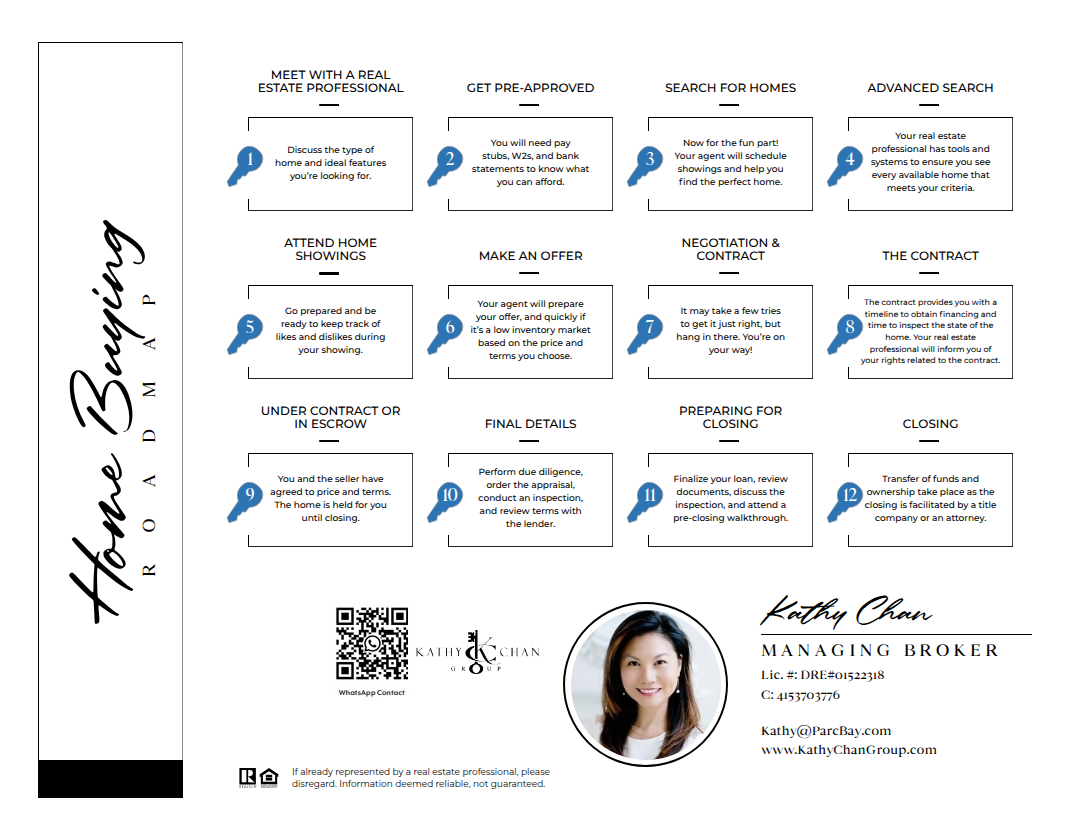
Buying a first home in Palo Alto can feel like a high-stakes puzzle, but a clear sequence turns the process into manageable decisions. From setting a realistic budget through reviewing disclosures and planning a confident offer, preparation helps buyers move with purpose when the right property appears.
Start With a Financial Picture That Holds Up
Before touring homes, give your budget more depth than a quick online payment estimate. Palo Alto purchase decisions often involve a substantial down payment, property taxes, homeowners insurance, possible HOA dues, and the ongoing cost of maintaining the home. A thoughtful budget should leave room for ordinary life after closing, as well as for repairs, furnishings, and changes that may matter to you over time.

Pre-approval is the practical next move. A lender can review income, assets, debts, credit, and loan options to provide a pre-approval amount. That number is useful, but it is not necessarily a target. Ask for payment scenarios at several price points and consider how interest-rate changes, loan type, and down-payment size affect your monthly costs. Understanding those tradeoffs early makes it easier to focus on homes that fit both your goals and your financial comfort level.
It also helps to reserve funds beyond the down payment. Buyers commonly encounter appraisal fees, inspections, title and escrow expenses, prepaid taxes or insurance, and lender-related closing costs. In a competitive market, having documentation organized—bank statements, proof of funds, loan contact information, and a pre-approval letter—can save valuable time when an offer deadline arrives.
A pre-approval shows borrowing capacity; your personal spending plan determines the payment range that feels sustainable after closing.
Choose a lender who can clearly explain timing, conditions, and communication expectations. In a fast-moving offer situation, a lender’s ability to confirm details promptly can be as important as the loan estimate itself. Comparing options is worthwhile, but compare the full package: rate, fees, loan structure, required reserves, and the expected path from application to closing.
Define Your Search Criteria Without Losing Flexibility
Palo Alto offers a varied mix of architectural styles, lot sizes, condominium communities, townhomes, and single-family residences. Rather than searching only by bedroom count or a single neighborhood label, begin with the daily details that influence how a property functions: commute routes, outdoor space, storage, natural light, parking, stairs, maintenance needs, and access to the amenities you personally use.
Create three lists: non-negotiables, strong preferences, and items that could change later. A non-negotiable might be a maximum commute time or a layout need. Preferences might include a particular kitchen configuration, a large yard, or a detached workspace. Distinguishing between the two helps prevent a beautiful feature from distracting you from practical concerns.
Location research should be factual and personal. Visit at different times of day, test a route you expect to use, look at street parking, and note proximity to parks, transit, libraries, dining, and services. Public records, city planning resources, and disclosure packages can add valuable context. If schools are relevant to your decision, review objective information directly from the appropriate public sources rather than relying on broad neighborhood characterizations.
As you tour, take notes immediately. It is easy for room sizes, finishes, and floor plans to blur together after several showings. A simple scorecard can track what you observed, estimated renovation needs, monthly HOA dues when applicable, and questions to investigate. Photographs are helpful where permitted, but written observations often reveal which home best supports your priorities.
Read Disclosures Like a Road Map, Not a Formality
California home sales commonly include a substantial set of seller disclosures and reports. These materials may address the property’s condition, known repairs, permits, natural-hazard information, inspection findings, HOA documents for condominiums or townhomes, and other details that can affect ownership. The volume can seem intimidating at first, but the documents are one of the most useful tools available to a buyer.
Set aside focused time to read the package, and do not hesitate to ask questions. Pay close attention to dates, recommendations from inspectors, drainage or roof notes, electrical and plumbing details, prior work, and any improvements that may need permit verification. A disclosure is not a prediction that something will fail; it is a prompt to understand the property and decide what level of maintenance or improvement aligns with your plans.
Depending on the transaction, you may also have an opportunity to obtain independent inspections or specialist evaluations. General home inspectors, roof inspectors, pest inspectors, structural professionals, and other experts each serve different purposes. Your real estate professional can help coordinate the process and explain deadlines, while qualified inspectors provide their own observations and recommendations.
For properties governed by an HOA, review the budget, reserve information, meeting minutes, rules, insurance coverage, and any pending assessments. These records offer a clearer view of the community’s financial planning and operational considerations. The goal is not to find a perfect document package—homes require care—but to make an informed decision with the available facts.
Build an Offer Strategy Around the Specific Property
When you find a home that fits, the offer should reflect current comparable sales, the property’s condition, competition, financing strength, and the seller’s stated timeline. The highest price is only one part of an offer. Closing date, contingencies, earnest money, proof of funds, and responsiveness can all influence how a seller evaluates the complete proposal.
Comparable sales deserve careful attention. Recent closed transactions can indicate how similar homes have been valued by the market, but no two properties are identical. Lot configuration, condition, renovation quality, location within the city, and sale timing all matter. A strong strategy weighs evidence while recognizing the value you place on the individual home.
An offer is strongest when its price, terms, financing, and timeline tell one consistent story about your readiness to close.
Contingencies are important contractual protections, and their timing should be understood before you write. In some situations, buyers may consider shorter timelines or different terms to improve competitiveness, but every choice carries risk. Discuss the implications carefully with your agent, lender, and appropriate professionals. The right approach is the one you understand fully and can support with confidence.
Once an offer is accepted, momentum matters. Deposit earnest money on schedule, complete loan tasks promptly, arrange inspections if applicable, and keep a calendar of contingency and closing dates. Avoid making large purchases, opening new credit accounts, or changing employment without first speaking with your lender, since loan underwriting can continue through closing.
Prepare for Closing and the First Months of Ownership
The period between acceptance and closing can feel busy because several tracks move at once: lender underwriting, appraisal, title work, insurance, inspections, and final document review. Keep copies of every requested item in one secure folder, confirm who is responsible for each deadline, and ask questions as soon as they arise. Small delays are easier to address early than at the last minute.
Before closing, review the Closing Disclosure with your lender and compare it with earlier estimates. Confirm your cash-to-close figure, understand how funds must be delivered, and verify the final signing schedule. A final walk-through is typically an opportunity to confirm the property’s condition is consistent with the agreement and that included items remain in place.
After the keys are delivered, give yourself a practical first-week plan: locate shutoff valves, change locks if desired, save manuals and warranties, establish utilities, and make a maintenance calendar. Homeownership is not a finish line so much as a new rhythm of decisions, care, and long-term planning. Beginning with a clear process makes that transition feel far more manageable.
For first-time buyers, the most valuable advantage is not rushing to know everything at once. It is building the right team, asking specific questions, and taking each step in order. With careful financial preparation, focused property research, and a disciplined closing plan, buying in Palo Alto can become a well-supported move from search to ownership. To direct your questions to our team, please visit www.parcbay.com, click on "Let's talk" to book a complimentary 15-minutes meeting with Kathy!