
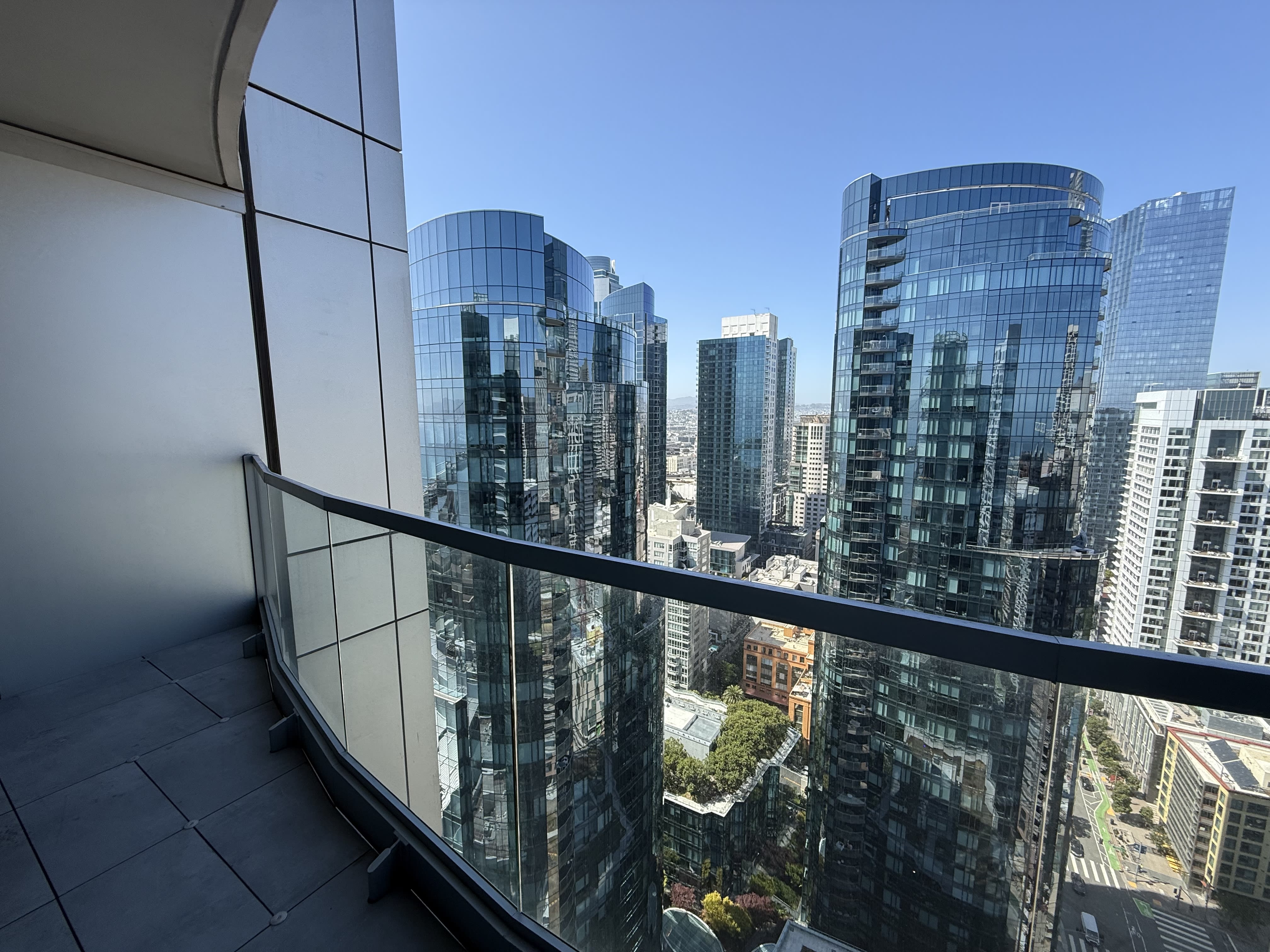
Selling a SoMa home is a sequence of practical decisions: clarify the property’s condition, prepare the presentation, set a market-informed price, and launch with a plan. A thoughtful checklist can help sellers focus their budget where it will improve the listing experience and support a confident next step.
Start With a Clear Selling Plan
Before paint colors, photography, or open-house dates enter the conversation, begin with the purpose of the sale. SoMa includes a broad mix of lofts, condominiums, live-work spaces, newer high-rises, and established buildings, so preparation is rarely one-size-fits-all. The most useful early step is to understand your home’s particular story: its layout, building amenities, monthly costs, condition, recent improvements, and the timeline that matters to you.

Gather the records a prospective buyer is likely to request. Depending on the property, that may include HOA documents, budgets, reserve information, meeting minutes, insurance details, lease restrictions, renovation approvals, utility history, warranties, permits, and a list of upgrades. Having these materials organized early can reduce last-minute scrambling and make it easier to answer questions accurately once interest begins.
It also helps to set decision points before the listing goes live. Decide which repairs are worth completing, identify a preferred launch window, and discuss how showings will work around work, travel, tenants, pets, or other day-to-day needs. Sellers navigating a probate, divorce, relocation, or investment transition may have additional documentation or timing considerations; a tailored plan can keep the process moving while respecting those circumstances.
A complete HOA and property-document package can be as valuable as fresh paint: it helps buyers evaluate the home with fewer unanswered questions.
Finally, build a realistic net-proceeds estimate rather than focusing only on a possible sale price. Closing costs, transfer-related fees, loan payoff amounts, repairs, staging, and moving expenses all affect the final picture. Reviewing these items early creates room to make choices deliberately instead of reacting to them during escrow.
Prepare the Home for the Way Buyers Experience It
Preparation should make the home feel easy to understand in person and online. In SoMa, where buyers may compare multiple residences with different building styles and amenity packages in a single day, clear presentation matters. The goal is not to erase every sign of daily life; it is to reveal the room proportions, storage, natural light, finishes, and flexible uses of the space.
Begin with the fundamentals: address deferred maintenance, repair visible scuffs, replace burned-out bulbs, clean windows, and make sure doors, drawers, appliances, and fixtures operate as expected. A pre-listing inspection may be useful in some situations because it gives a seller the opportunity to address known items or prepare accurate context before a buyer’s inspection. Whether or not one is completed, disclose known material facts according to applicable requirements and seek appropriate professional guidance when questions arise.
Staging can be especially effective when it is strategic. A compact bedroom may benefit from appropriately scaled furniture; an open loft may need defined zones for dining, work, and relaxation; and a large living area may need fewer pieces to preserve sightlines. Remove excess furniture, personal collections, and oversized storage items so buyers can focus on the architecture instead of what needs to be moved.

Photography, video, floor plans, and property descriptions should work together. Professional images can emphasize light, ceiling height, outdoor space, or thoughtful upgrades, while an accurate floor plan helps buyers evaluate flow before scheduling a visit. If the building offers features such as a lobby, roof deck, fitness area, parking, secure package handling, or staffed entry, present those amenities factually and confirm current availability and rules before marketing them.
Do not overlook the entry sequence. From the building approach to the front door and first room, this is where buyers begin forming impressions. A tidy entry, uncluttered hall, fresh air, and balanced lighting can make a meaningful difference without requiring a major renovation budget. The same attention should extend to balconies, patios, and shared outdoor areas connected to the residence.
Price With Evidence, Not Just Optimism
Pricing is both analytical and strategic. A strong list price starts with recent comparable sales, active competition, pending listings, property condition, building reputation, HOA costs, square footage, bedroom count, parking, views, outdoor space, and the overall availability of similar homes. In a neighborhood with varied housing types, a nearby sale is only useful when its features and buyer appeal are genuinely comparable.
Active listings deserve close attention because they show the choices buyers can make today. Pending sales can offer additional clues about current demand, although final terms are not always immediately public. The aim is to position the home credibly within its competitive set, not simply to select a number that feels comfortable. A price that aligns with market evidence can encourage more qualified interest in the critical first days after launch.
The first two weeks of a listing often provide the clearest feedback: showing activity, questions, saved searches, and offer interest reveal how the market is responding to price and presentation.
Build a response plan in advance. If the listing receives strong interest, be ready to review offer terms carefully rather than comparing price alone. Financing strength, contingencies, closing timing, disclosures, and requested credits can all affect the practical value of an offer. If activity is quieter than expected, revisit the listing data, feedback, condition, photography, access, and price promptly. A measured adjustment can be more productive than letting a listing become stale.
Create a Smooth Launch and Showing Routine
Once the home is ready, the launch should feel coordinated. Confirm that listing details match the disclosure package, photos represent the current condition, HOA information is accurate, and showing instructions are straightforward. A well-managed rollout gives buyers and their representatives the information they need while helping you maintain reasonable control over access to the property.
For occupied homes, create a simple showing kit: a place for mail, pet supplies, small electronics, extra toiletries, and personal papers to be stored quickly before appointments. Keep counters and floors clear, use consistent lighting, and make a checklist for leaving the home. These small routines reduce stress when a showing request arrives with limited notice.
Remain flexible where possible, but do not sacrifice clear boundaries. Your agent can help coordinate appointment windows, communicate building access procedures, and collect useful feedback. If a tenant occupies the property, follow applicable notice requirements and work with all parties on a respectful access plan. Clear communication helps protect the transaction experience from avoidable friction.
Finish With the Details That Support a Confident Sale
A polished SoMa listing is more than an attractive set of photos. It is a complete package of preparation, documentation, pricing discipline, and responsive communication. Sellers who approach each step in order are better positioned to evaluate market feedback, compare offers on their full terms, and move toward closing with fewer surprises.
Whether you are selling a long-held residence, managing a life transition, or repositioning an investment property, a personalized strategy can make the checklist more manageable. Kathy Chan and Parc Bay Real Estate can help coordinate the details, explain the options, and build a plan around your property and timeline.