
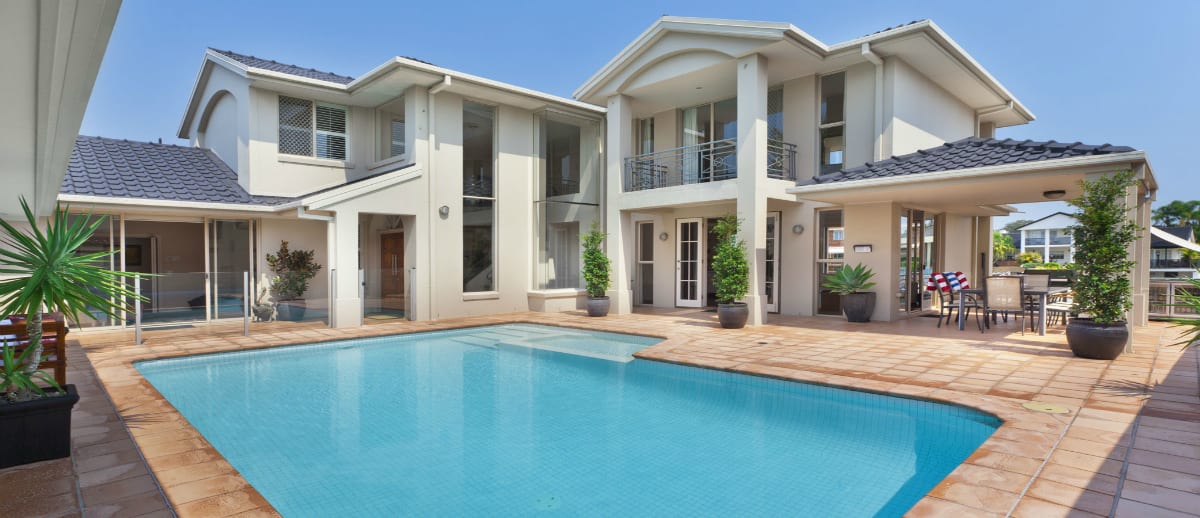
A swimming pool can be a meaningful lifestyle feature in a San Francisco Bay Area single-family home, but it is not an automatic value-add. Its resale impact depends on the neighborhood, the lot, the pool’s condition, and whether buyers still have room to enjoy the rest of the yard. Before building, buying, or preparing to sell a home with a pool, weigh the ongoing ownership commitment alongside the appeal.
For many Bay Area households, a pool represents more than a place to cool off: it can create a private setting for weekends at home, casual entertaining, and a more resort-like outdoor routine. Still, whether a swimming pool is worth the investment in a single-family home is highly property-specific. In markets as varied as San Francisco, Menlo Park, Palo Alto, Hillsborough, Burlingame, San Mateo, Belmont, Millbrae, and San Carlos, buyer expectations and usable lot space can change dramatically from one micro-market to the next.
A Pool Is a Lifestyle Choice First—and a Resale Feature Second
A well-designed, well-maintained pool may help a property stand apart, particularly when it feels integrated with the home’s architecture and outdoor living areas. It can be especially appealing to buyers who value recreation at home, want space to host friends and family, or see a finished backyard as a convenience rather than another project to take on.
But a pool does not guarantee a matching increase in sale price. Some buyers may see it as a must-have; others may focus on supervision, upkeep, water use, or the portion of the yard devoted to the pool. In a compact Bay Area lot, preserving a flexible lawn, dining area, garden, or play space can matter just as much as the pool itself.
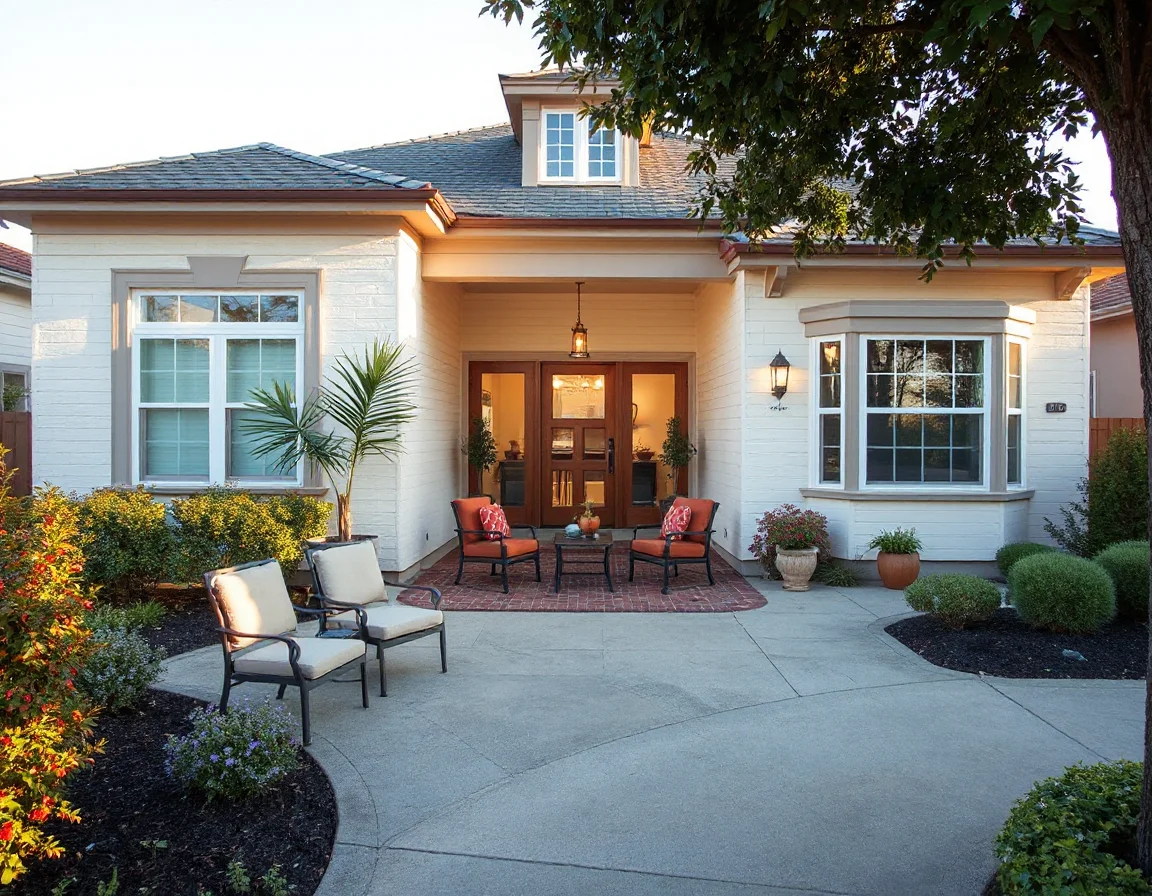
Quality and condition are central to the conversation. A pool with cohesive hardscaping, attractive landscaping, updated equipment, and a clear maintenance history can support the impression that a home has been thoughtfully cared for. By contrast, a visibly dated pool, worn deck surface, or deferred mechanical work may lead buyers to anticipate projects and factor that uncertainty into their offer.
The strongest pool setups tend to complement the property rather than dominate it: buyers should be able to picture swimming, dining, relaxing, and moving comfortably through the outdoor space.
What to Evaluate Before You Invest
Before adding a pool—or deciding how much weight to give one while comparing homes—look beyond the feature itself. Consider the property’s lot size, sun exposure, privacy, access, terrain, and the amount of outdoor space that remains usable after construction. A pool that fits naturally into a generous backyard can be perceived very differently from one that consumes most of a smaller lot.
It is equally important to understand the local buyer profile. In one neighborhood, pools may be familiar features that buyers expect in higher-end homes. In another, buyers may favor low-maintenance yards, gardens, or room for flexible outdoor living. Comparable sales with and without pools offer more useful context than broad assumptions about the Bay Area as a whole.
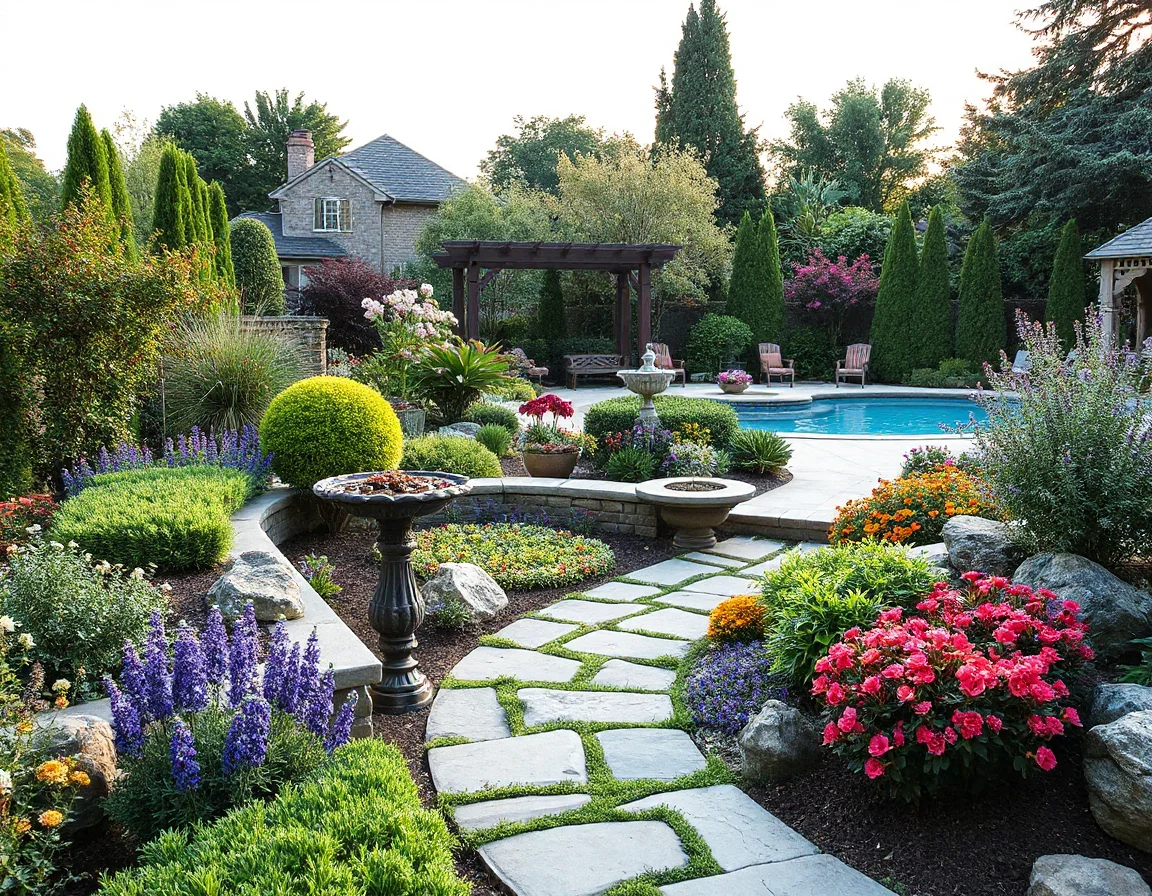
If you are purchasing a home with a pool, consider a careful evaluation of its visible condition, equipment, safety features, and records that may be available. If you are selling, presentation matters: clean water, orderly equipment areas, maintained landscaping, and a welcoming patio can help buyers focus on the lifestyle opportunity instead of immediate maintenance questions.
Pool Maintenance Costs: The Practical Side
Pool ownership involves recurring expenses and occasional larger projects. The exact amount varies based on pool size, condition, equipment, heating preferences, usage, local utility rates, and the service providers you choose. Rather than relying on a single universal estimate, homeowners are generally better served by obtaining quotes from local pool professionals and reviewing the property’s actual operating history.
Common ongoing cost categories can include:
- Professional service: Routine cleaning, water testing, and balancing may be handled by a service company or by the homeowner.
- Water and utilities: Filling, topping off, circulation, and heating can affect water, electricity, or gas use.
- Chemicals and supplies: Sanitizers, balancing products, filters, and smaller replacement items are part of regular care.
- Equipment repairs: Pumps, heaters, filters, controls, plumbing, and covers can need attention over time.
- Insurance considerations: Coverage and safety requirements can vary, so homeowners should discuss their circumstances with an insurance professional.
- Periodic major work: Resurfacing, tile repair, deck work, or equipment replacement may arise as a pool ages.
These are planning considerations, not legal, tax, insurance, or contractor advice. A local pool company, qualified inspector, contractor, and insurance professional can provide guidance tailored to a specific property and its systems.
For resale, a pool’s condition and how it supports the entire backyard experience often matter more than simply having a pool on the property.
The Bottom Line for Bay Area Homeowners
A swimming pool can be well worth it when it suits how you plan to live in the home and fits the expectations of the surrounding micro-market. It may offer daily enjoyment, entertaining appeal, and thoughtful differentiation—but it should be evaluated as part of the complete property, not as a guaranteed financial return.
If you are considering a pool purchase, installation, or sale strategy, contact Kathy Chan at Parc Bay Real Estate for a low-pressure, property-specific conversation about local comparable sales and the factors buyers may weigh in your area.