
Preparing a Marina District home for sale is more than tidying up and choosing a list date. A thoughtful plan for condition, presentation, pricing, disclosures, and launch timing can help buyers understand the home’s value quickly and make the selling process feel far more manageable. This guide outlines the practical decisions that deserve attention before your property goes live.
Begin With a Clear Listing Strategy
In the Marina District, buyers often compare homes closely by block, property type, outdoor space, parking, condition, and proximity to the waterfront, green space, and neighborhood amenities. That makes preparation especially important: a well-organized launch helps a property stand out for the qualities that are genuinely difficult to replicate. Before selecting paint colors or scheduling photography, start with the bigger picture—your preferred timeline, expected next steps, desired level of pre-sale work, and any constraints that may affect the move.

A useful first step is a room-by-room walkthrough that separates essential repairs from optional improvements. Focus first on items a buyer, inspector, or appraiser is likely to notice: deferred maintenance, visible water damage, malfunctioning fixtures, worn flooring, incomplete handrails, aging caulk, and systems that need service. The goal is not to make every home look identical; it is to reduce uncertainty and present the property accurately.
It is equally important to gather documents early. Depending on the property, that may include permits, invoices for completed work, appliance manuals, utility information, condominium or homeowners association materials, insurance documents, and any reports already in hand. Sellers do not need to solve every unknown before listing, but organized records can make questions easier to answer and help the transaction move forward with fewer last-minute scrambles.
The most effective preparation plan prioritizes visible condition, documentation, and a realistic launch date—not an endless list of projects with uncertain payback.
For owners navigating a major change, such as probate, divorce, a relocation, or an investment sale, the timeline may require extra coordination. In those situations, a practical listing plan can include clear decision points, vendor scheduling, document collection, and communication among the appropriate professionals. Kathy Chan’s approach is designed to bring precision and compassion to these moments while keeping the real estate process focused and orderly.
Stage for Light, Flow, and Useful Space
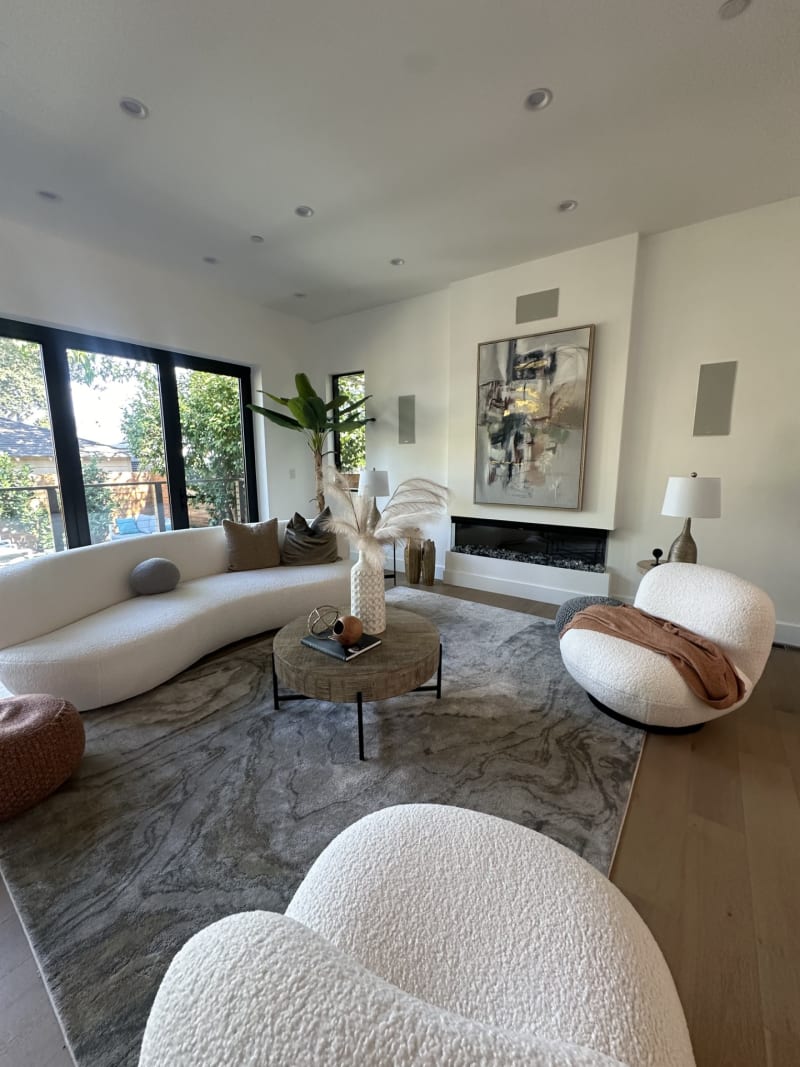
Staging is not about disguising a home. It is about making the layout easy to read in person and online. In a neighborhood where architecture ranges from flats and condominiums to single-family residences, buyers benefit from seeing how each room can function, where storage is located, how natural light moves through the home, and how indoor and outdoor areas connect.
Start by editing rather than adding. Remove excess furniture, personal collections, countertop clutter, and anything that narrows a pathway or obscures a window. Then give each room a clear purpose. A flexible alcove may be shown as a reading area or workspace; a lower level may benefit from simple furnishings that clarify its scale. Neutral, well-proportioned pieces generally photograph better than crowded rooms filled with mismatched décor.
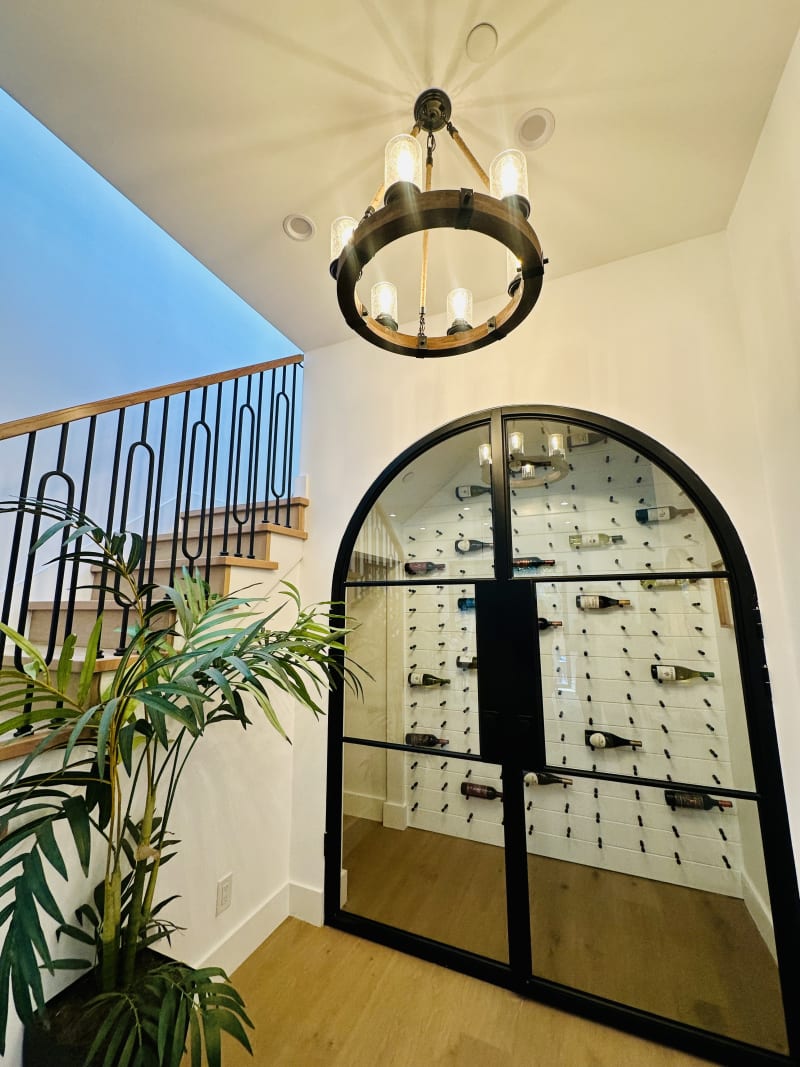
Light is a major part of the presentation. Replace burned-out bulbs, use consistent color temperatures, clean windows, and open shades before photography and showings when privacy allows. For rooms with limited daylight, thoughtful lamps and uncluttered surfaces can create a more inviting result than over-brightening every corner. Exterior presentation deserves the same attention: sweep entry steps, trim overgrown plants, refresh a worn doormat, and make sure house numbers and door hardware are clean and visible.
Photography, video, floor plans, and property descriptions should work together. Images invite buyers to look more closely, while accurate dimensions, disclosures, and details about parking, storage, association dues, or recent improvements give them useful information to evaluate the home. A polished launch is strongest when the visual story matches the facts.
Price With the Current Market, Not the Last Headline
Pricing is one of the most consequential choices in a listing strategy. It should be grounded in recently closed comparable sales, current competing listings, pending activity when available, and the property’s specific condition and features. A two-bedroom condominium with parking may appeal differently from a nearby flat without parking; a home with a remodeled kitchen, private outdoor space, or a particular view corridor may not be directly comparable to one that lacks those elements.
Rather than relying on a single price-per-square-foot figure, consider the full set of evidence. Look at original list prices, price changes, days on market, concessions, and the condition visible in listing photos. Then consider what a buyer will see on the first day: does the home feel aligned with other options in its price range, or will it be compared with a noticeably different tier of properties? The right answer is based on present competition, not simply a seller’s prior investment or a broad citywide statistic.
Early market response is valuable information. Showing feedback, saved-listing activity, requests for disclosure packages, and the quality of inquiries can help indicate whether buyers understand the home’s position. If attention is limited, it is better to assess the response promptly and thoughtfully than to allow an unclear strategy to linger. A well-timed adjustment, when supported by the market, can be more productive than repeated minor changes.
The first days on market matter because buyers who have been watching inventory are often quickest to compare condition, location, and price across available homes.
Pricing also benefits from a conversation about net proceeds, not just the list price. Expected costs may include preparation work, staging, photography, transfer-related expenses, association documents where applicable, and negotiated terms. Reviewing several likely scenarios can help you make decisions with a clearer understanding of both timing and financial outcome.
Prepare for Disclosures, Showings, and Offers
California sellers have extensive disclosure responsibilities, and the best time to address them is before the home is widely marketed. Complete forms carefully, review known conditions and improvements, and consult the appropriate legal, tax, estate, or financial professionals for matters outside real estate representation. For condominiums and other common-interest properties, ordering association documents early can be particularly helpful because delivery timelines vary.
Showings work best when the home can be accessed with reasonable notice and presented consistently. Make a plan for pets, valuables, mail, medications, parking arrangements, and any rooms that need special instructions. Keep surfaces clear, maintain a simple weekly cleaning routine, and have a small checklist for lights, shades, temperature, and outdoor areas. These steps are modest, but they protect the work already invested in staging and photography.
When offers arrive, price is only one term to review. Financing, contingencies, earnest money, requested credits, closing date, possession, inspection expectations, and the buyer’s overall documentation can all affect the strength of an offer. Comparing those terms side by side helps sellers choose an outcome that fits their priorities rather than reacting only to the largest number on the page.
Talk through your selling timeline
A Confident Launch Starts Before the Listing Goes Live
Selling in the Marina District is an opportunity to tell a precise, compelling story about a home: its light, layout, condition, architectural details, outdoor areas, and connection to one of San Francisco’s most recognizable waterfront-adjacent neighborhoods. The strongest story is always an honest one, supported by careful preparation and information buyers can evaluate with confidence.
Whether your sale is part of a planned move or an unexpected life transition, begin with a practical assessment of the property and a timeline that leaves room for thoughtful decisions. With the right preparation, pricing analysis, and presentation, you can enter the market ready to respond to buyer interest and move toward your next chapter with clarity.