

Buying a first home in San Francisco Bay Area is easier to approach when the process is broken into practical decisions: a complete monthly budget, a focused offer strategy, and a clear closing plan. This guide outlines the questions to answer before touring homes so you can evaluate opportunities with more confidence and fewer surprises.
Start With a Budget That Reflects the Full Cost of Ownership
In a market where homes can move quickly, a clear budget is more useful than a single maximum purchase price. Begin with a lender conversation to understand loan programs, estimated interest rates, down-payment options, and the monthly payment range that feels sustainable for your circumstances. Pre-approval can help establish a credible offer position, but it is only one part of the planning picture.

Build your estimate around more than principal and interest. Property taxes, homeowners insurance, mortgage insurance when applicable, and any HOA dues all affect the real monthly cost. A condominium may have different maintenance responsibilities and association expenses than a detached home, while an older property may warrant a larger reserve for repairs and upgrades. Ask your lender for scenarios at several price points rather than relying on an online payment calculator alone.
It also helps to separate the funds needed to buy from the funds needed to settle in. Earnest-money deposits, inspection costs, appraisal fees, title and escrow charges, prepaid items, moving expenses, and immediate repairs can arrive at different moments in the transaction. Keeping a reserve after closing can make the transition more manageable, particularly when a home has systems or finishes you plan to address over time.
A pre-approval establishes a lending range; your personal budget should also leave room for maintenance, utilities, and the priorities that matter after the keys are in hand.
San Francisco Bay Area's housing stock includes a mix of condominiums, townhomes, and detached residences, with layouts, topography, lot conditions, and age varying by location. As you compare listings, look beyond bedroom count. Consider storage, parking configuration, outdoor maintenance, natural light, stairs, renovation history, and whether an HOA has rules or projects that could influence future costs. These details often shape daily ownership as much as the asking price.
Tour With a Decision Framework, Not Just a Wish List
A thoughtful home search starts by identifying what is essential, what is preferred, and what may be changed later. Location-related considerations can include access to transit, major routes, parks, public services, recreation, and the destinations that make up your normal routine. If school information is relevant to your plans, review current district boundaries and public records directly with the appropriate sources, since assignments and policies can change.
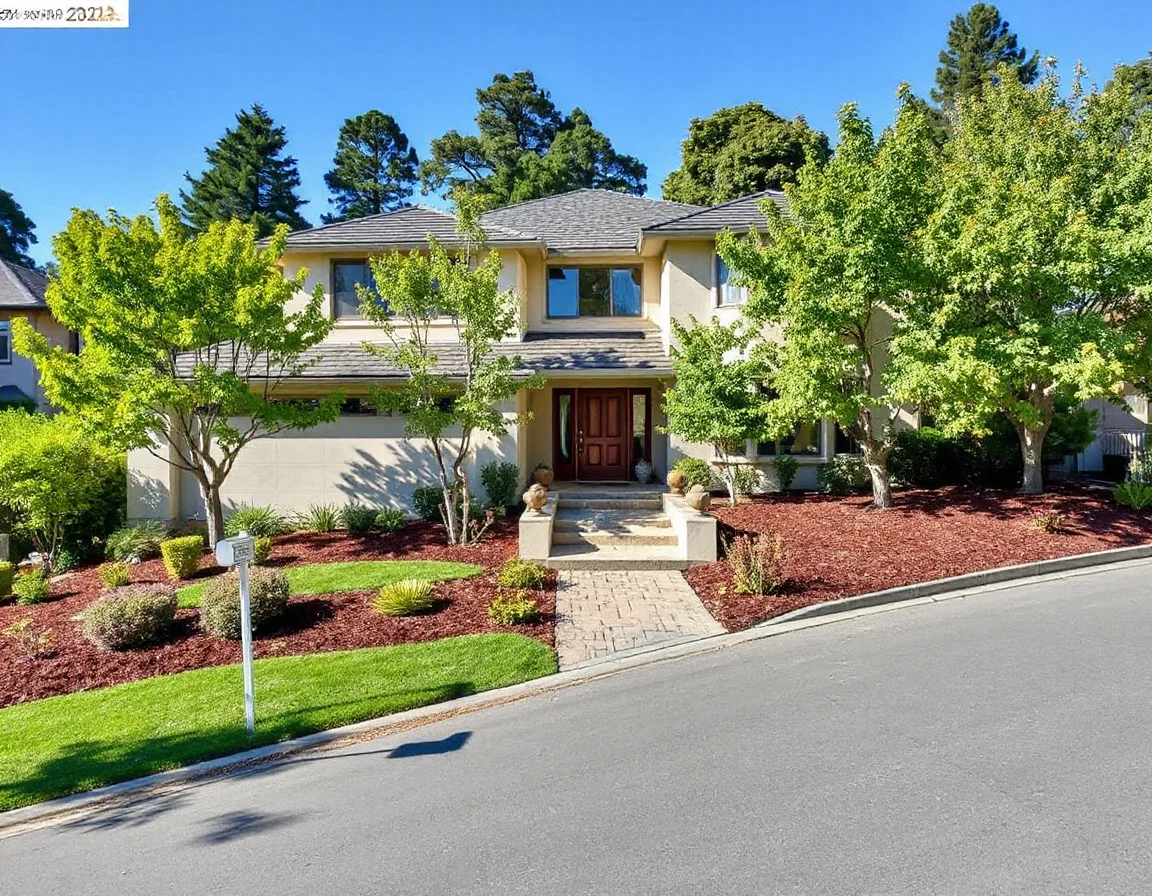
During showings, take notes on items that can be difficult to judge from photos: street access, slope, drainage, window orientation, storage, ceiling height, traffic sound, and the condition of visible systems.
Try to view each property through two lenses. The first is emotional: can you picture using the rooms and enjoying the space? The second is practical: does the home align with your budget, financing terms, maintenance comfort level, and intended timeline? Neither lens should be ignored. The strongest decisions usually come from pairing a genuine connection with solid due diligence.
Before writing an offer, review the available disclosure package carefully. Depending on the property, documents may address permits, roof age, pest findings, drainage, foundation observations, HOA financials, or past repairs. Your agent can help organize the paperwork and flag questions for the appropriate professionals, but inspectors, lenders, attorneys, and contractors each play a separate role in providing specialized guidance.
A detailed disclosure review before an offer can help you compare homes on more than presentation and price, especially when repair scope or HOA documents may affect your plans.
Make an Offer That Is Clear, Competitive, and Comfortable for You
An offer is a package of terms, not simply a number. Price matters, but so do financing, earnest money, contingency timelines, requested credits, closing date, possession terms, and the strength of your pre-approval. The right structure depends on the specific listing and your own risk tolerance. A clean, understandable offer can make it easier for a seller to evaluate how reliably the transaction may proceed.
Market conditions may influence how much flexibility is available. When inventory is limited or a well-prepared home draws significant attention, buyers may need to decide quickly. That does not mean skipping the planning that protects your interests. Instead, prepare early: know your comfort ceiling, understand your financing, read disclosures promptly, and discuss possible offer approaches before the right property appears.
Contingencies deserve special attention. They can provide time for investigations related to financing, appraisal, inspections, and other transaction-specific matters. Shorter periods may be appealing in a competitive setting, but they can also leave less time to obtain information. Review the practical consequences of each term with qualified professionals and choose an approach that fits the property and your circumstances.
A skilled local real estate professional can coordinate the moving pieces, communicate promptly with the listing side, and help you distinguish between a strategic concession and an unnecessary risk. The aim is not to “win” at any cost; it is to secure a home under terms you understand and can support.
Keep the Closing Process Organized From Acceptance to Keys
Once an offer is accepted, the transaction moves into a more detailed phase. Your lender will continue underwriting the loan, the appraisal will be ordered, inspections may be completed, and escrow will collect documents and coordinate title work. Dates can arrive quickly, so use a single calendar or checklist for contingency deadlines, wire instructions, appraisal updates, insurance requirements, and final signing.
Be cautious with financial changes during escrow. A new credit account, a large purchase, a job change, or unexplained transfers can affect loan underwriting. Keep copies of requested documents handy, respond to lender questions promptly, and confirm wire instructions through a verified phone number rather than relying only on an email. These simple habits can reduce last-minute stress.
Before closing, you will typically have an opportunity to complete a final walkthrough. This is not a new inspection; it is a chance to confirm that the property is in substantially the expected condition, agreed-upon items remain, and any negotiated repairs appear complete. Bring your contract and repair documentation so the visit has a clear purpose.
Clarity is a first-time buyer’s advantage. When your budget is realistic, your offer terms are deliberate, and your closing tasks are organized, the process becomes far more navigable. San Francisco Bay Area offers a range of housing possibilities, and the best next step is to learn the market carefully, ask direct questions, and move forward at a pace that supports a well-informed decision. Go to our home page and click on Let's Talk to see Kathy's availability for an easy booking today.