

A San Mateo condo can offer a practical entry point into Peninsula real estate, but the investment case depends on far more than a purchase price and projected rent. Evaluate the full monthly carrying cost, the building’s financial health, local rental demand, and a realistic appreciation timeline before deciding whether a particular unit supports your goals.
Start With the Complete Cost of Ownership
Condo return on investment is easiest to understand when the numbers are separated into two categories: monthly cash flow and long-term equity growth. A unit may not produce substantial income in its first year, especially when financing costs are elevated, yet it can still be worth considering if the location, building condition, and holding period align with a thoughtful ownership plan. The key is to avoid treating the advertised list price as the entire investment.
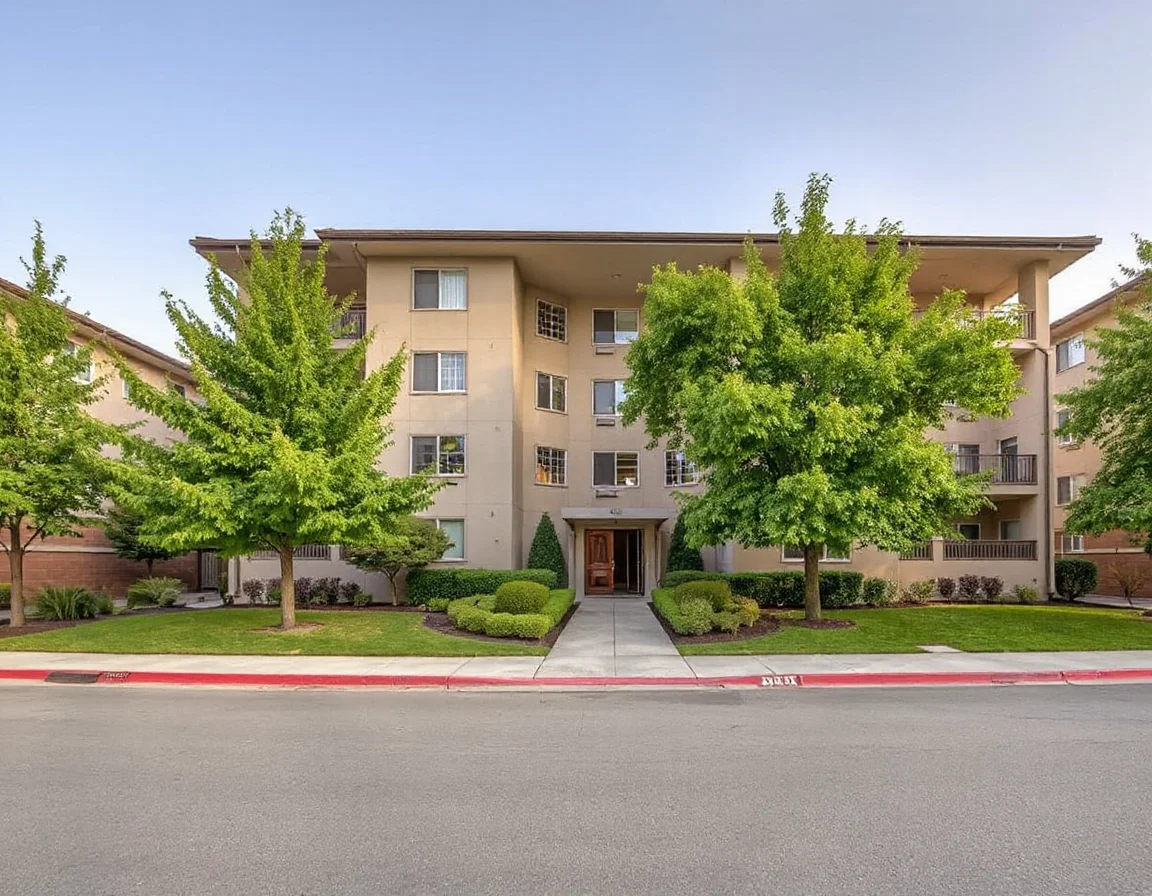
Begin with the purchase price, down payment, loan amount, interest rate, and closing costs. Then add property taxes, homeowners insurance, HOA dues, utilities paid by the owner, routine maintenance, and a reserve for unexpected repairs. Even when an HOA maintains common areas and exterior systems, an owner may still be responsible for appliances, interior plumbing issues, flooring, paint, and special assessments.
HOA dues deserve especially close attention because they affect both the monthly budget and future resale appeal. Review what the dues cover: water, trash, earthquake insurance, landscaping, building insurance, reserves, security features, elevators, parking structures, or recreational amenities. A higher monthly fee is not automatically negative if the association is well managed and the services replace costs an owner would otherwise pay separately. On the other hand, low dues can be a concern if deferred maintenance or thin reserves are hiding behind them.
A condo’s monthly carrying cost should include a vacancy reserve and a repair reserve, even if the unit is currently occupied or newly renovated. Planning for those intervals creates a more durable ROI estimate.
For a clearer comparison, calculate the annual ownership cost and divide it by twelve. Then compare that result with conservative expected rent rather than the highest advertised asking rent. A prudent rental estimate accounts for leasing costs, occasional turnover, marketing, cleaning, and the possibility that a unit sits vacant between tenants. If the property is intended as a residence rather than a rental, this same exercise still helps clarify the ongoing cost of ownership.
Measure Rental Income With Local Context
San Mateo’s position between San Francisco and Silicon Valley helps support interest in a range of housing types, including condominiums near transit, parks, employment centers, and everyday services. Yet rental performance varies block by block and building by building. A renovated one-bedroom with assigned parking, in-unit laundry, and efficient layout may command different interest than a similarly sized unit without those features.
When reviewing potential rent, use several comparable listings rather than a single optimistic example. Look for units with similar square footage, bedroom count, bathroom count, parking, building age, amenity package, and condition. Also consider whether the building permits rentals and whether it has rental caps, minimum lease periods, move-in fees, or other restrictions. Those rules can materially affect flexibility and should be reviewed before submitting an offer.

Gross rent is only the starting point. Investors often use net operating income to understand the income remaining after recurring operating expenses, before loan payments. From there, cash flow after debt service shows whether the property is expected to require monthly contributions or generate income. Both measurements are useful, but neither should be viewed in isolation. A unit with modest immediate cash flow may offer a different value proposition than one purchased solely for near-term income.
It is also wise to stress-test the assumptions. What happens if rent is five percent lower than expected? What if HOA dues rise, a repair is needed, or the unit is vacant for one month? Scenario planning does not predict the future; it simply reveals how much room exists in the budget. That cushion can be especially valuable for owners balancing a condo purchase with other financial obligations.
Understand What Can Support Appreciation
Appreciation is never guaranteed, and a responsible condo analysis should not rely on a single projected annual growth rate. Over time, values can be influenced by broader interest rates, local employment trends, inventory levels, buyer demand, lending standards, construction activity, and the condition of the individual building. Market cycles can create periods of rapid movement, slower growth, or price adjustments.
Within the same city, certain property characteristics can influence buyer interest at resale. Efficient floor plans, natural light, parking, storage, outdoor space, elevator access, updated kitchens and baths, and well-maintained common areas are all factors many purchasers evaluate. Location details matter as well: proximity to transit options, recreation, grocery access, and major transportation routes can shape daily convenience without determining value on their own.
Building stewardship matters just as much as the individual unit. Request and review the HOA budget, reserve study when available, meeting minutes, insurance information, recent and planned capital projects, litigation disclosures, and rental restrictions. These documents may reveal upcoming roof work, elevator repairs, plumbing projects, façade maintenance, or insurance changes that could affect ownership costs. A building with transparent records and a credible maintenance plan can make due diligence more straightforward.
- Compare recent closed sales, not only active listings.
- Review HOA financial statements and reserve funding.
- Confirm rental policies, leasing terms, and move-in requirements.
- Estimate expenses using conservative assumptions.
- Plan for a holding period that can absorb normal market fluctuations.
Choose a Strategy Before You Choose a Unit
A condo can serve different purposes: a primary residence, a future rental, a long-term investment, or part of a life transition involving probate, divorce, relocation, or a change in household finances. Each path calls for a different set of priorities. Someone focused on rental flexibility may emphasize HOA rules and operating costs, while an owner-occupant may place greater weight on layout, condition, and long-term usability.
Before moving forward, identify the decision points that matter most: target monthly payment, acceptable cash-flow range, intended holding period, desired level of renovation, and tolerance for HOA complexity. Then evaluate each property against those criteria consistently. This approach can reduce the temptation to stretch for a unit based solely on a projected appreciation number or an unusually high advertised rent.
A well-chosen San Mateo condo is not defined by one headline metric. The strongest evaluation combines realistic costs, defensible rental assumptions, thorough HOA review, and a patient view of market movement. With those pieces in place, buyers can make a more informed decision about whether a specific property supports their financial plan and ownership goals.