

Cap rate and appreciation measure two different parts of a real estate investment story, and mixing them up can lead to a costly decision. If you are comparing San Francisco properties, the real advantage often comes from understanding how current income, future value potential, financing, and holding period work together. This guide breaks down the numbers in plain language so you can evaluate opportunities with more confidence and fewer assumptions.
Why These Two Metrics Matter
Buying an investment property in San Francisco often means balancing today’s math with tomorrow’s possibilities. A property with a stronger cap rate may deliver more immediate income relative to its price, while a property with lower current yield may have a location, layout, or renovation profile that supports stronger long-term appreciation. Neither metric is automatically better. The right comparison depends on your goals, timeline, financing, and tolerance for vacancy, repairs, and market swings.
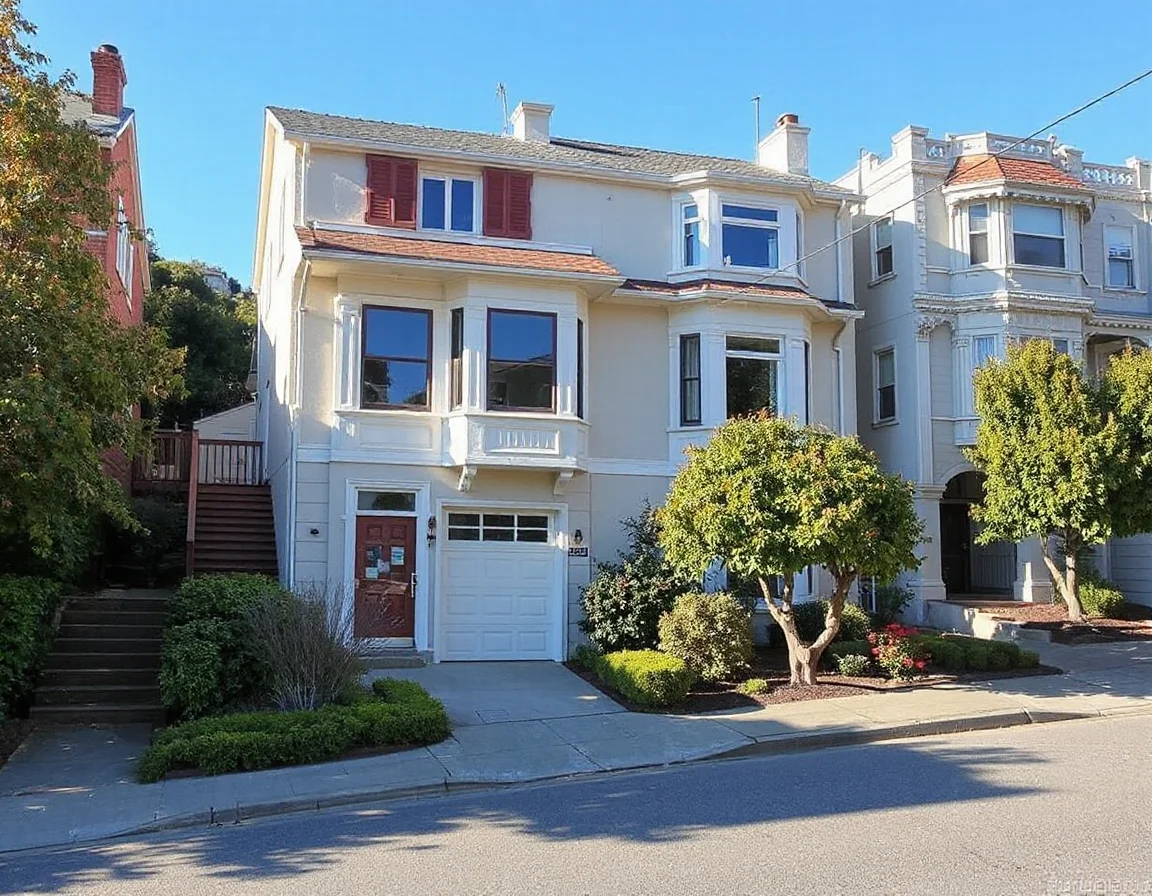
Cap rate is a snapshot of a property’s income performance before financing. In simple terms, it is the net operating income divided by the purchase price. If a property generates $60,000 in net operating income on a $1,500,000 purchase, the cap rate is 4 percent. This can help you compare one building to another quickly, especially if you are reviewing several options with different rents, expenses, and price points.
Appreciation, by contrast, is about value growth over time. It reflects how a property’s market value may increase due to broader market conditions, limited supply, nearby improvements, property upgrades, or changing buyer demand for a specific housing type. Appreciation is never guaranteed, but in a constrained market like San Francisco, it is a major part of how many investors evaluate total return.
A lower cap rate does not automatically mean a weaker investment. In high-demand markets, some buyers accept less current yield in exchange for location quality, land scarcity, and longer-term upside potential.
That is why comparing these metrics side by side is so important. One tells you how the property is performing now. The other helps you think about how it may perform later. Looking at only one can leave out a large part of the picture.
How to Compare Cap Rate Correctly
Start by making sure the cap rate is based on realistic numbers. This sounds obvious, but many buyers get tripped up by optimistic rent assumptions or incomplete expense estimates. Net operating income should account for vacancy, property taxes, insurance, maintenance, utilities paid by the owner, management if applicable, and recurring operating costs. It should not include mortgage payments, because cap rate is meant to measure the property itself, not your financing structure.
When comparing San Francisco properties, also pay attention to the type of asset you are reviewing. A tenant-occupied condo, a small multifamily building, and a single-family home intended as a rental can each produce very different expense patterns and income behavior. A property with a higher listed cap rate may have deferred maintenance, less stable rental income, or a less flexible layout that narrows future options. Another property may show a lower cap rate today but have cleaner financials, recent upgrades, or a stronger position within its micro-market.
It helps to run your own version of the numbers under a few scenarios: current rents, modest rent growth, higher maintenance, and a realistic vacancy allowance. That stress test can tell you more than the headline figure in a marketing package.
See buyer representation options
Where Appreciation Enters the Picture
Appreciation is harder to pin down because it is forward-looking, but that does not mean it is guesswork. You can evaluate signals. In San Francisco, buyers often look at housing supply constraints, transit access, renovation potential, neighborhood amenities, views, building condition, and the long-term appeal of a property’s floor plan. A well-located home with adaptable space and strong underlying land value may attract steady demand even if its current cap rate is modest.

Still, appreciation should be approached carefully. Instead of assuming a property will rise quickly in value, look at what would make it more resilient across market cycles. Does it offer features that remain broadly desirable, such as natural light, outdoor space, parking, updated systems, or a practical layout? Is the property in a location with consistent buyer interest and limited comparable inventory? Those characteristics do not promise future gains, but they can support stronger relative performance over time.
Another smart move is to separate market appreciation from forced appreciation. Market appreciation happens when the overall market lifts values. Forced appreciation comes from improvements you control, such as renovating kitchens or baths, improving functionality, or increasing rents where appropriate and lawful. Buyers who understand both are usually better positioned to judge whether a low-yield property has a real path to stronger returns or just a hopeful story attached to it.
If two properties seem similar, ask which one gives you more than one path to value: stable rental income, physical improvement potential, and durable resale appeal can matter more than a single standout metric.
Use Total Return, Not a Single Number
The most useful comparison usually comes from combining the pieces into a broader total return framework. That means looking at expected net income, projected appreciation, financing costs, tax considerations to discuss with a qualified professional, expected capital improvements, and your planned holding period. A property with a 3.5 percent cap rate and stronger appreciation potential may outperform a property with a 5 percent cap rate if the second one requires major repairs or sees slower future demand. On the other hand, if your priority is current cash flow, the higher cap rate may align better with your goals.
This is also where financing changes the discussion. Because cap rate is calculated before debt, a property that looks acceptable on paper may not cash flow comfortably after mortgage payments, insurance changes, reserves, and periodic repairs. In a higher-rate environment, buyers should compare not just cap rate, but also cash-on-cash return, debt coverage, and monthly carrying costs. Those practical figures often determine whether an investment feels sustainable.
It can be helpful to rank each property under three headings: current income, future upside, and execution risk. Execution risk includes renovation complexity, tenant issues, permit timelines, and uncertainty around true operating expenses. That simple framework often clarifies which property is genuinely stronger and which one only looks attractive from one angle.
A Smarter Way to Evaluate San Francisco Opportunities
In a market as layered as San Francisco, comparing cap rate and appreciation is less about choosing one metric over the other and more about understanding the tradeoff between immediate performance and long-term potential. Strong decisions usually come from careful underwriting, local market context, and an honest assessment of what you want the property to do for you over the next five to ten years.
For some buyers, the best fit is an asset with steadier present-day income. For others, it is a property in a highly constrained location where appreciation potential and future repositioning matter more. The key is to avoid overpaying for a story or dismissing a property because one number seems low at first glance.
When you review an opportunity, ask: What does it earn now? What could reasonably improve? What risks come with that plan? Those questions will usually lead to a better investment decision than relying on cap rate or appreciation in isolation.