
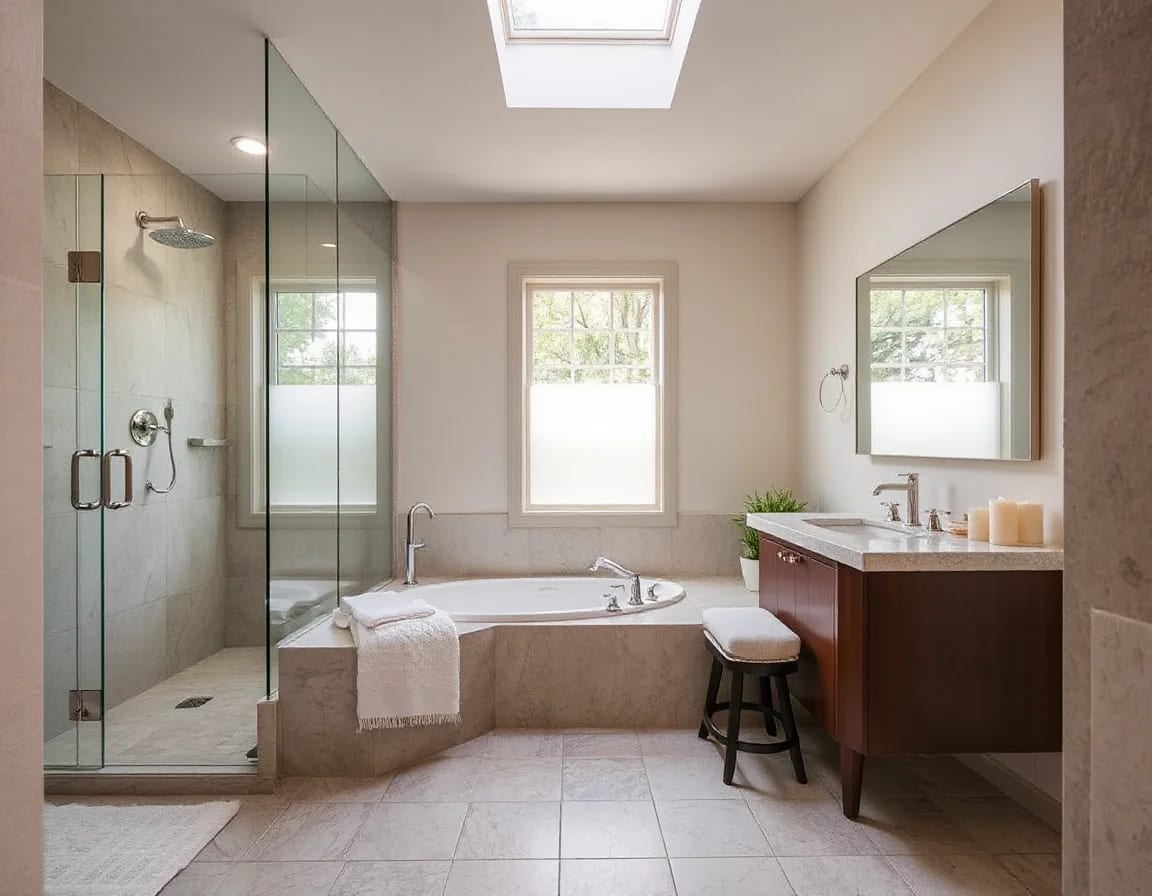
Not every renovation helps your bottom line. For Bay Area homeowners preparing to sell, some upgrades can narrow buyer appeal, create appraisal challenges, or cost far more than they return. The smartest pre-listing improvements usually make a home feel cleaner, brighter, more functional, and easier for the next buyer to imagine as their own.
When sellers think about preparing a home for market, it is natural to assume that more spending leads to a higher sale price. In practice, that is not always how buyers respond. In the San Francisco Bay Area, where pricing is shaped by neighborhood expectations, buyer competition, and condition relative to nearby homes, the wrong upgrade can actually work against you.
A polished home still matters. But the goal is not to create the most customized or expensive version of your property. The goal is to present a home that feels well maintained, broadly appealing, and appropriately positioned for its location. Before you invest heavily, it helps to know which projects often disappoint sellers at resale.
1. Overly Personalized Renovations Can Shrink Your Buyer Pool
Highly specific design choices may suit your taste perfectly, but they can make it harder for buyers to connect with the home. Bold built-ins designed around a niche hobby, dramatic color palettes, unusual tile selections, or one-of-a-kind room conversions can all create friction during showings. Buyers in the Bay Area often move quickly, and homes that feel easy to understand tend to perform better than homes that require too much mental editing.
For example, a custom media wall in a bright lacquer finish or a themed children’s room with permanent millwork may have been expensive to install, yet buyers may see those features as future demolition costs. Even when the workmanship is solid, personalization can distract from the home’s layout, light, and livability.
If a buyer’s first thought is “What would it cost to undo this?” the upgrade is no longer adding value.
The safer approach before listing is to lean toward neutral finishes, flexible spaces, and updates that make rooms feel larger and more usable. Fresh paint, simplified styling, and removing highly specific decor often do more for resale than custom design statements.
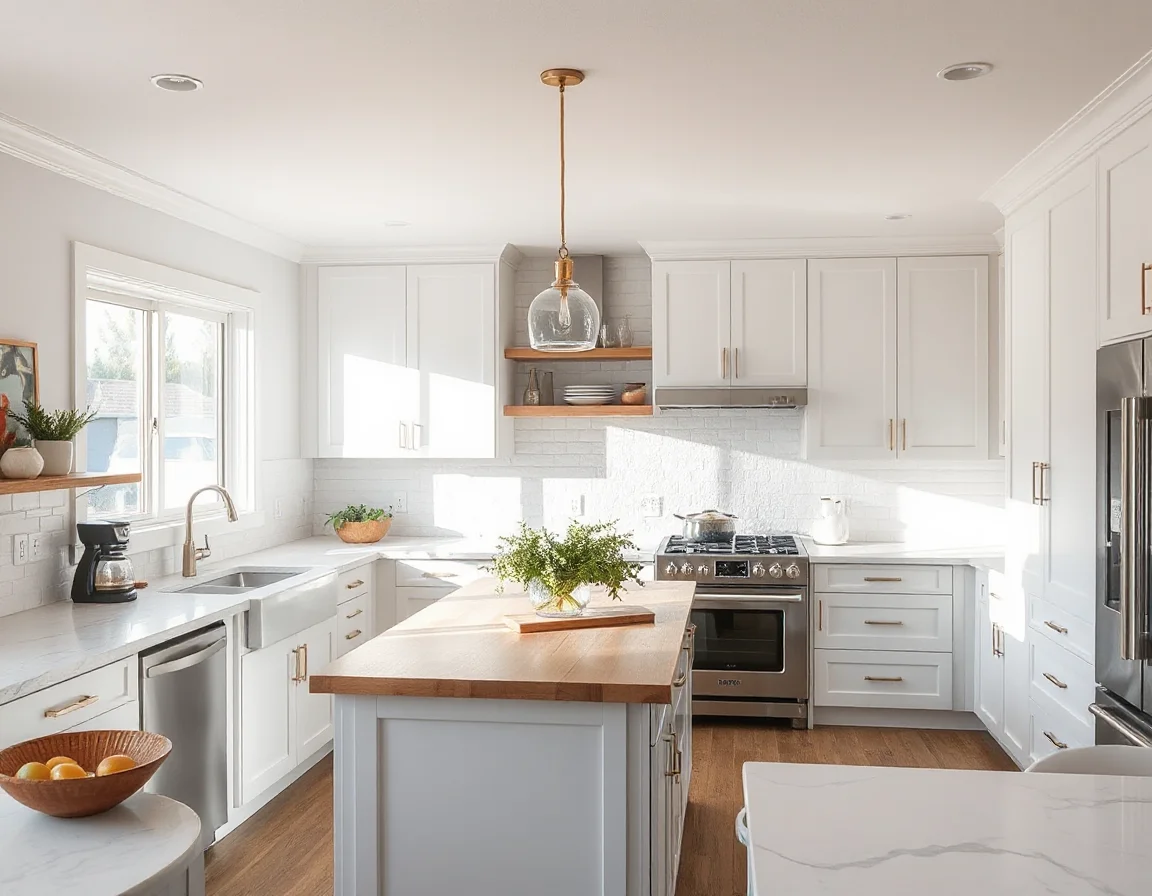
2. Luxury Upgrades That Outprice the Neighborhood Often Miss the Mark
There is a difference between improving a home and over-improving it for the surrounding market. Sellers sometimes install top-tier finishes, premium appliances, imported materials, or elaborate outdoor features expecting buyers to reimburse every dollar. But buyers compare your home to nearby alternatives, not just to your renovation budget.
If your property sits in a neighborhood where buyers expect tasteful updates but not ultra-luxury execution, a very expensive remodel may not translate into a matching jump in value. Appraisers also rely on comparable sales, which can limit how much credit the market gives for upgrades that exceed local norms.
In Bay Area markets, this issue can show up in different ways. A modest home with a commercial-grade kitchen, a spa bathroom that belongs in a much higher price bracket, or a backyard transformation that far surpasses neighboring properties may impress visitors without producing a full return. Buyers may appreciate the quality, but they still anchor their offers to location, lot, floor plan, and comparable homes.
The better strategy is to study what buyers already reward in your immediate area. Thoughtful, cohesive improvements usually outperform flashy ones. A clean, updated kitchen with durable finishes may be more valuable than a chef’s kitchen that pushes the home beyond what the neighborhood supports.
3. Removing Bedrooms for Oversized Suites Can Hurt Functionality
One of the most common value-reducing changes is sacrificing bedroom count to create a larger primary suite, office, or lounge. While the added space may feel luxurious, bedroom count remains a major search filter for buyers. Losing a legal bedroom can reduce the number of shoppers who even consider the property.
That matters in family-oriented parts of the Bay Area, where buyers often prioritize flexibility for children, guests, or work-from-home needs. A three-bedroom home that becomes a two-bedroom home may feel more elegant, but it can lose relevance for households that need the original functionality. In some cases, the home may also compare less favorably against nearby listings with the same square footage but more bedrooms.
There are exceptions, especially in ultra-luxury segments where space and finish level can outweigh room count. But for many sellers, removing a bedroom is a risky move unless there is strong evidence that the market prefers the new layout.
Before changing a floor plan, ask whether the renovation improves daily living for the next buyer or only for the current owner.
If you want a home to feel more spacious without reducing utility, consider better staging, improved lighting, or reworking furniture placement. Those changes can create a more open feel while preserving the features buyers search for most.

4. DIY Work With Poor Finishes Can Raise Red Flags
Buyers notice quality quickly, especially in a competitive market where many homes are professionally prepared before listing. Uneven tile lines, mismatched flooring transitions, sloppy paint edges, amateur cabinetry installation, or visibly patched surfaces can make buyers question what they cannot see behind the walls.
Even a well-intentioned do-it-yourself project can backfire if the final result looks unfinished. Instead of reading as an upgrade, it may signal deferred maintenance or future repair costs. In older Bay Area housing stock, where buyers are already alert to electrical, plumbing, and structural concerns, poor cosmetic execution can undermine confidence in the property as a whole.
This does not mean every project requires a luxury contractor. It does mean that visible work should look complete, consistent, and appropriate for the home. If a project affects safety, permits, or core systems, professional guidance is especially important. Buyers may ask questions, inspectors may flag issues, and unpermitted work can complicate a sale.
When in doubt, fewer high-quality improvements are usually better than many rushed ones. A home that feels honestly maintained often performs better than one filled with questionable “upgrades.”
5. Highly Niche Design Choices Can Date a Home Fast
Trends move quickly, and some of the most expensive mistakes happen when sellers renovate around a very specific moment in design. Extreme wallpaper, unusual stone patterns, ultra-dark finishes, statement lighting that overwhelms the room, or specialty rooms with limited everyday use can all make a home feel less timeless.
Buyers do not need a home to be bland, but they do want confidence that it will age well. If a design choice feels too narrow, too dramatic, or too difficult to change, it can reduce emotional connection. Instead of seeing a move-in-ready home, buyers may start budgeting for replacements.
This is especially relevant when sellers renovate shortly before listing. A project that feels current today may not appeal broadly enough to justify its cost. In resale, versatility matters. Warm neutrals, classic materials, and cohesive finishes tend to support stronger buyer response because they let the architecture and layout lead.
How Sellers Can Avoid Over-Improving Before Listing
The best pre-listing plan starts with strategy, not assumptions. Before spending on renovations, compare your home to recent nearby sales and active competition. Ask which updates will improve presentation, reduce buyer objections, and align the property with neighborhood expectations. Often, the highest-impact work is also the most practical: paint, lighting, flooring touch-ups, landscaping, hardware, deep cleaning, and minor repairs.
It also helps to separate lifestyle upgrades from resale upgrades. A renovation may have been worth doing for your own enjoyment over many years, even if it does not return dollar for dollar at sale. But if you are making decisions specifically to prepare for market, discipline matters. Focus on improvements that broaden appeal rather than those that express personal taste or chase a premium the neighborhood may not support.
For Bay Area homeowners, the right advice is local and property-specific. A condo in San Francisco, a family home in Burlingame, and a luxury property in Hillsborough may each call for a different level of preparation. The common thread is this: buyers reward homes that feel cared for, functional, and easy to say yes to.
Before you renovate for resale, it is worth getting a clear opinion on which projects are likely to help, which are neutral, and which may actually work against your goals. Smarter preparation can protect your budget and position your home more effectively when it is time to list.