

Comparing Marina District condos takes more than looking at list price and monthly rent. HOA dues, insurance structure, parking, building age, vacancy assumptions, and future capital projects can change the real return profile quickly. This guide breaks down the cost and ROI factors that matter most so buyers and investors can evaluate opportunities with clearer expectations.
1. Start With the Full Monthly Cost, Not Just the Purchase Price
In the Marina District, condo pricing can look straightforward at first glance, especially when two units appear similar on paper. But the real comparison begins once you build out the full monthly carrying cost. Mortgage payment, property taxes, HOA dues, hazard insurance, utilities that may or may not be included, parking costs, and reserve contributions all affect the true ownership picture. A lower asking price can still produce a higher monthly outlay if the building has elevated dues or limited reserves.
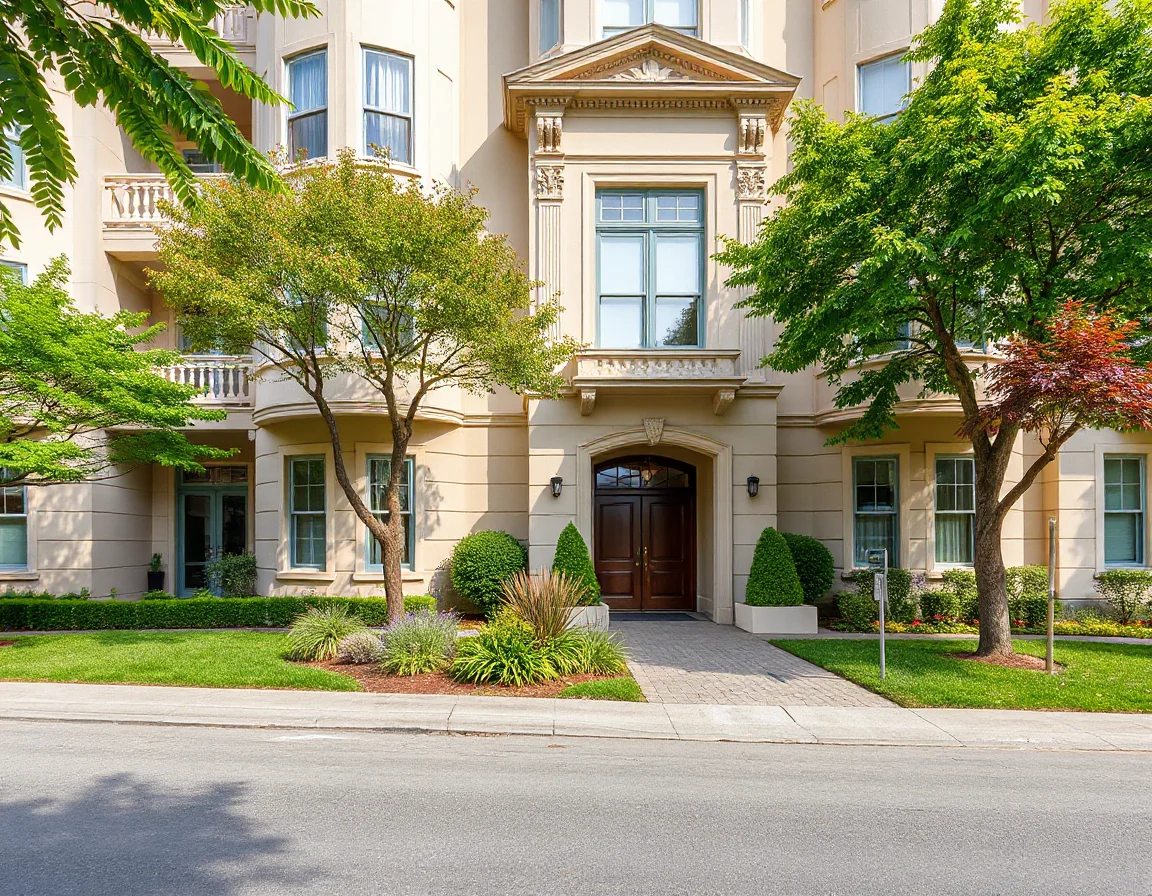
That is why a side-by-side worksheet is useful before deciding whether a condo is attractive as a residence, a long-term hold, or a rental candidate. Buyers often focus on principal and interest first, but in attached housing, the building itself is part of the investment. If the association covers water, exterior maintenance, common area upkeep, and earthquake-related planning, those line items may justify a higher monthly fee. If it does not, the lower dues may not be the bargain they seem.
Another key detail is financing compatibility. Some buildings are more straightforward for lenders than others, particularly if owner-occupancy ratios, litigation, deferred maintenance, or reserve balances come into play. A condo that appears less expensive can become more complicated if financing options narrow, and that can influence both your acquisition cost and eventual resale flexibility.
When comparing two Marina condos, a difference of a few hundred dollars in HOA dues can be less important than whether the building is budgeting properly for roof, facade, and system replacements.
2. Evaluate HOA Dues Like a Line Item, Not a Footnote
HOA dues are one of the biggest variables in Marina District condo analysis. Some buildings have modest fees because they offer fewer amenities and have smaller common areas to maintain. Others charge more because they include staffed services, elevators, garage maintenance, shared outdoor space, insurance components, or stronger reserve funding. The question is not simply whether the dues are high or low. The better question is what those dues pay for, and whether the building is keeping up with future obligations.
Reviewing budgets, reserve studies, recent meeting notes, and any history of special assessments can help uncover the real financial health of a building. Older San Francisco housing stock can have charm, scale, and desirable layouts, but it can also come with more active maintenance needs. Windows, foundations, decks, waterproofing, and soft-story or seismic work can materially affect total ownership cost over time.
For an investor, dues also shape rental yield. If rents are strong but HOA fees consume too much of the gross income, the headline rent number may overstate the opportunity. For an owner-occupant, higher dues may still make sense when they simplify maintenance and improve predictability. The point is not to avoid one category or the other, but to match the fee structure to your financial goals and time horizon.
3. Compare Rent Potential With Realistic Operating Assumptions
Projected rent is another place where careful analysis matters. Instead of using the most optimistic figure from a listing conversation, it helps to look at comparable leased units by size, condition, parking, outdoor space, view orientation, in-unit laundry, and building presentation. In a neighborhood like the Marina, small feature differences can noticeably affect demand and pricing. A remodeled kitchen, deeded parking, or better light can change where a unit falls within the rental range.

From there, move past gross rent and estimate net operating reality. Include HOA dues, property taxes, insurance, repairs, leasing costs if applicable, vacancy assumptions, and any compliance or turnover expenses. Even in a high-demand area, no rental operates at a perfect 12-for-12 collection model forever. A realistic ROI review should assume periodic refresh costs, appliance replacement, and occasional downtime between occupants.
It is also worth separating cash flow analysis from appreciation hopes. Some Marina condos may pencil best as lifestyle-driven purchases with long-term upside rather than immediate income performers. Others may offer better rent-to-price balance because of layout, lower dues, or efficient square footage. Clarity on your main objective helps narrow the comparison: monthly payment control, future flexibility, resale positioning, or pure income durability.
Looking at rent this way also protects against overestimating what upgrades can achieve. Renovations often improve leasing appeal and resale competitiveness, but not every dollar spent returns dollar-for-dollar in rent. Strong ROI usually comes from a disciplined combination of location, building economics, unit condition, and acquisition price.
Parking, private outdoor space, storage, and in-unit laundry often make a measurable difference in rental competitiveness, especially when several similar condos are available at once.
4. Building Age, Insurance, and Capital Projects Can Shift Returns
One of the most overlooked ROI factors in condo ownership is timing around major building expenses. A building that recently completed exterior work or seismic upgrades may offer more near-term predictability than one where these conversations are just beginning. That does not automatically make one the better purchase, but it does change how you should underwrite the risk. Upcoming projects can affect monthly dues, reserve contributions, financing, and future marketability.
Insurance is another area to watch closely in attached housing. Buyers should understand what the HOA master policy covers versus what a unit owner needs separately. In some cases, the difference is minor; in others, it changes the annual carrying cost meaningfully. Buildings with different construction types, claims histories, or maintenance profiles may also produce different insurance realities over time.
For resale-focused buyers, it is useful to ask how the broader market views the building. Smaller boutique associations, mid-century buildings, and classic architecture each attract attention for different reasons, but the durability of demand often comes down to fundamentals: location within the district, floor plan efficiency, natural light, parking, storage, and building management. Those qualities tend to matter both for owner demand and for rental resilience.
Search Marina District listings
5. Use a Comparable Framework Before You Decide
A practical way to compare Marina District condos is to score each option across the same categories: purchase price, monthly payment, HOA structure, reserves, special assessment risk, rent range, parking, storage, outdoor space, remodeling level, and building condition. When you put the numbers and features into one framework, the tradeoffs become easier to see. A unit with slightly less square footage may outperform because the building is stronger financially. A unit with higher dues may still offer better value if major work is already complete.
That framework also helps separate emotional preference from financial structure. Both matter, of course. A home should feel right, and an investment should align with your goals. But the strongest decisions usually happen when the numbers are organized before the offer stage rather than after. In a competitive market, that preparation can make it easier to move confidently when the right condo appears.
Whether you are purchasing for personal use, a future rental, or a long-term hold, Marina District condos deserve a detailed review beyond price per square foot. Monthly costs, building governance, rent assumptions, and capital planning all shape the ownership experience. With those pieces in focus, it becomes much easier to compare opportunities on substance instead of surface appeal alone.