

South Beach condo inventory can shift quickly, and those changes often show up in pricing power before they show up in headlines. Buyers who watch active listings, price reductions, and days on market together usually get a clearer read on negotiation opportunities than buyers focused on list price alone. This guide breaks down the market signals worth following if you want to time your search with more confidence.
Why inventory trends matter in South Beach
Condo buyers in South Beach often start with a simple question: are prices going up or down? That matters, of course, but inventory is usually the earlier signal. When the number of available units begins to rise, buyers may gain more options, more time to compare buildings, and in some cases more room to negotiate on price, credits, or contingencies. When inventory tightens, the opposite can happen, especially for well-located units with strong natural light, updated interiors, useful amenities, and practical monthly carrying costs.
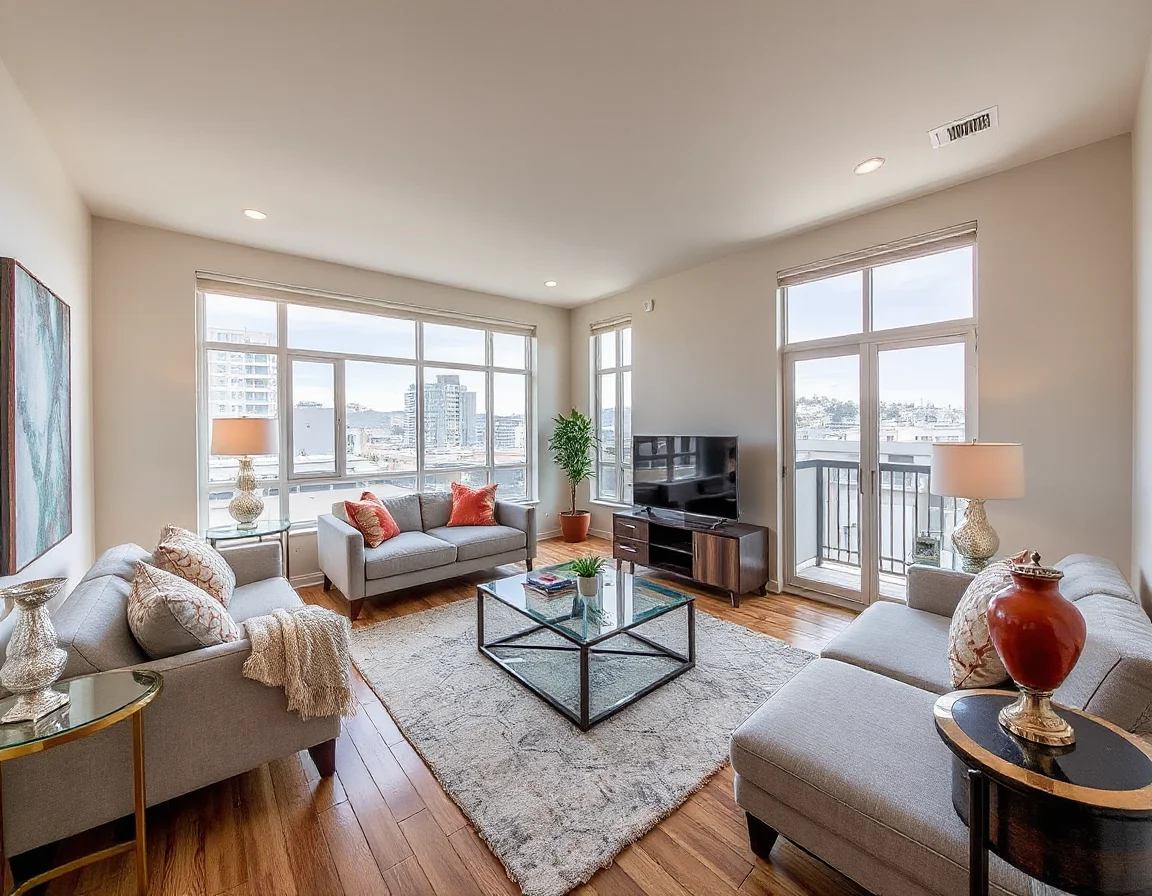
In a neighborhood like South Beach, inventory is especially important because the housing stock is concentrated in condo and high-rise living, and product types can vary meaningfully from one building to the next. A newer tower with concierge service, parking, and water views does not behave exactly like a smaller mid-rise with fewer amenities, even if both are close to the same transit routes and waterfront access. Looking only at broad median pricing can blur those differences.
That is why smart buyers track not just how many listings are on the market, but what kind of inventory is arriving. If fresh listings are mostly smaller one-bedrooms, that tells a different story than a wave of larger corner units or premium residences with terraces. The mix of homes available shapes both value comparisons and negotiating leverage.
A rising listing count does not automatically mean falling prices. In South Beach, the more useful clue is whether new inventory is sitting longer and whether sellers are adjusting price after the first two to three weeks.
The price metrics buyers should watch beyond the asking price
List price gets attention, but buyers should track three other numbers closely: price per square foot, days on market, and the gap between original list price and final sale price. Together, these provide context that a headline number cannot. Two condos may be listed at similar prices, for example, but one may include deeded parking, better views, or a more efficient floor plan, all of which can change value dramatically.
Days on market is often one of the clearest windows into momentum. If well-presented units are moving quickly while average listings linger, the market may be rewarding the strongest properties and discounting the rest. If many listings are sitting for longer stretches, buyers may have more leverage to request repairs, credits, or pricing adjustments. Watching this trend over several weeks is more useful than reacting to a single notable listing.
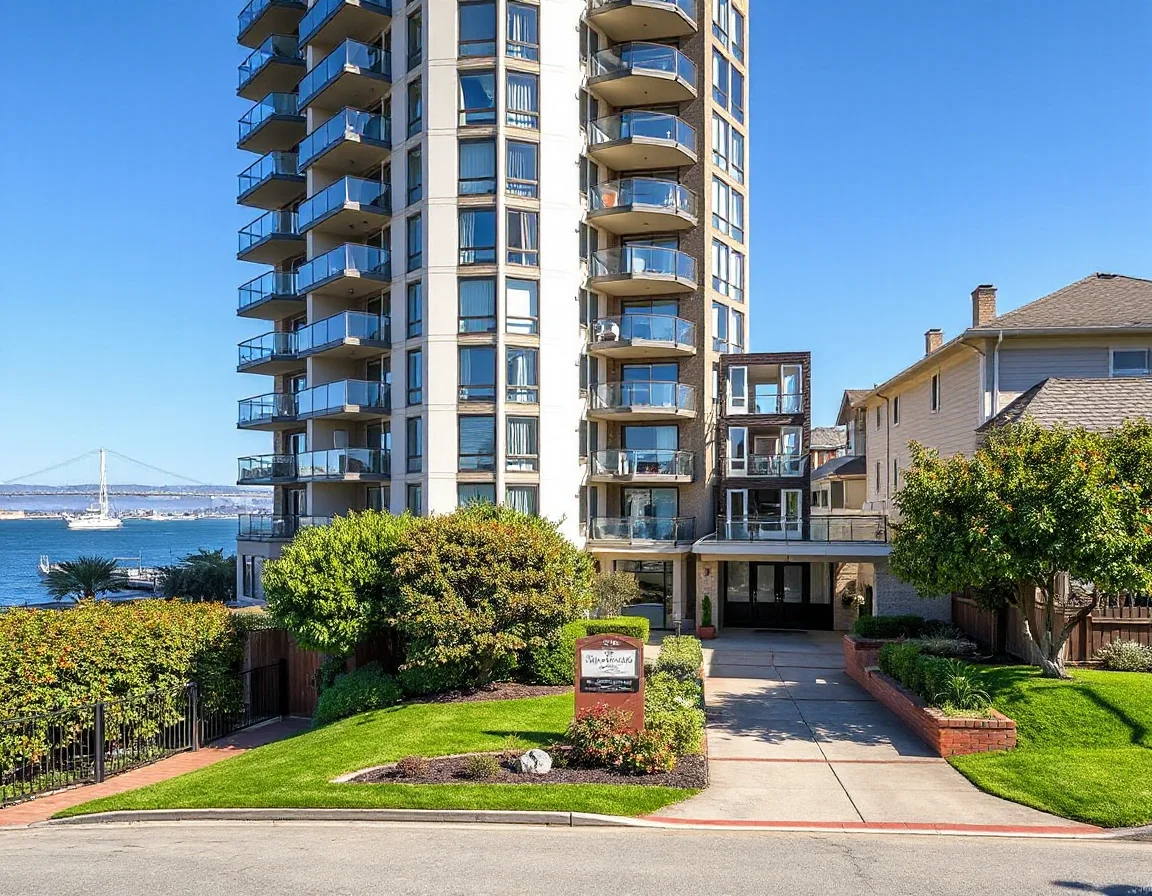
Price reductions are another major signal. A market can appear stable on the surface while quietly softening underneath if listings are repeatedly coming down after launch. Buyers who notice a pattern of reductions across comparable buildings may find better entry points by staying patient and revisiting units that have been available for a bit. On the other hand, if few properties are reducing and desirable units continue to trade near asking, that can indicate firmer demand.
It also helps to separate the emotional pull of a building from the financial reality of ownership. HOA dues, reserve strength, special assessments, building policies, and amenity quality all affect real value. A lower asking price in one building may not be the better buy if monthly ownership costs are materially higher or if future capital work appears likely.
When comparing two condos at similar prices, monthly HOA dues and building reserves can change the long-term cost picture more than a small difference in the initial purchase price.
How seasonality and new listing waves can affect buyer strategy
South Beach buyers should also pay attention to timing. Inventory often moves in waves rather than in a straight line. A cluster of new listings can create the feeling of a sudden shift, but the real takeaway depends on what happens next. If those units are absorbed quickly, demand may still be resilient. If they pile up and begin to show stale pricing, buyers may be entering a more favorable window.
This is where weekly habits can give buyers an edge. Instead of checking the market only when a new property appears, monitor how many units are newly listed, how many go pending, and how many return with a price change. Over a month or two, patterns become easier to spot. You begin to see whether the market is broadening with more choice or simply churning through the same listings with little progress.
New development and recently completed building inventory can also influence nearby resale condos. If buyers suddenly have more polished, move-in-ready options in competing buildings, resale sellers may need to sharpen pricing or improve presentation. Conversely, if resale inventory is limited and highly functional units are scarce, older buildings with strong locations can still command attention.
For buyers planning financing, market timing should always connect back to budget discipline. It is easy to become overly focused on “waiting for the dip,” but the better approach is usually to define a payment range, understand building-level tradeoffs, and act quickly when a well-matched property appears. Market signals are useful when they help narrow choices, not when they create indecision.
What to look for building by building
In South Beach, one of the most important habits is comparing sales within the same building whenever possible. Shared amenities, HOA structure, view orientation, and unit stack can create more meaningful benchmarks than neighborhood-wide averages. A buyer who understands how a specific line of units has performed over the past year is often better positioned than someone quoting only a citywide condo statistic.

Review whether recent closings favored renovated homes over original-condition units, whether higher floors earned a significant premium, and whether parking altered sale outcomes. Buyers should also ask how often similar units come available. In some buildings, an efficient floor plan with a strong orientation may be rare enough that waiting for a “better price later” means waiting a very long time for another comparable opportunity.
Neighborhood factors still matter as well. South Beach continues to attract attention for its waterfront setting, access to transit, proximity to employment centers, recreation paths, dining options, and event venues. Those fundamentals can support demand even when the broader condo market feels mixed. That is why buyers do best when they combine macro trends with very specific property-level analysis.
If you are tracking the market seriously, keep your notes simple: active count, recent pendings, reductions, average time on market, and building-level observations. After a few weeks, the market starts to become much easier to read. You will know whether a listing is truly well priced, merely ambitious, or quietly vulnerable to negotiation.
The takeaway for buyers watching South Beach now
The most useful buyer advantage is not guessing the exact top or bottom of the market. It is recognizing when supply, pricing behavior, and building-level competition line up in your favor. In South Beach, that means watching inventory growth, price reductions, days on market, and the quality of available units together rather than relying on a single number.
With that approach, buyers can stay grounded, move more decisively, and avoid overpaying for hype or overlooking genuine value. A well-chosen condo is rarely just about the asking price; it is about the total ownership picture, the strength of the building, and how the current inventory landscape affects your options. Track the trend lines carefully, and the market starts telling you much more than the list price ever could.