

A thoughtful pre-listing plan can make a Burlingame home feel more polished, photograph better, and enter the market with fewer last-minute surprises. This checklist walks through the practical steps that help sellers improve presentation, organize documents, and prepare for pricing conversations. If you handle the small details before the sign goes up, the entire listing process usually feels more orderly and more strategic.
Start With the Work Buyers Notice First
Before scheduling photos or discussing launch timing, it helps to look at your property the way a new visitor would. Small deferred-maintenance items often stand out more than sellers expect: a sticking gate, chipped trim, worn caulk, dated light bulbs, or a front door that looks tired in listing photos. In Burlingame, where many homes offer distinctive architecture and mature landscaping, presentation matters because buyers tend to compare condition, layout, and updates very carefully.

Focus first on repairs that improve confidence. Tighten loose hardware, replace burned-out bulbs, touch up scuffed paint, service doors and windows, and address visible water staining if any exists. These are not always major-ticket projects, but they can influence how buyers perceive the overall care of the home. The goal is not perfection; it is to remove distractions that compete with the home’s strongest features.
Outside, trim plantings away from walkways, refresh mulch where needed, clean hardscape, and make sure exterior lighting works. Entry appeal shapes the first impression before anyone reaches the living room. If buyers feel the home has been maintained from the curb onward, they often tour the rest of the property with a more positive frame of mind.
The most effective pre-listing repairs are usually the ones that prevent hesitation, not the ones that add the most drama. Clean, functional, and well-maintained often delivers a better return than highly personalized upgrades completed in a rush.
Declutter, Edit, and Let the Layout Show
A strong listing lets buyers understand space quickly. That becomes harder when shelves are crowded, furniture blocks natural pathways, or storage areas appear overfilled. Decluttering does not mean stripping every room of personality; it means editing so the floor plan, light, and scale become easier to read in person and online.
Start with countertops, open shelving, entry areas, and bedroom surfaces. Remove excess décor, papers, cords, and oversized furniture pieces that make rooms feel tighter than they are. Closets, laundry areas, and the garage also deserve attention because buyers frequently open doors and assess storage capacity. A neatly organized utility area can support the impression that the home functions smoothly day to day.
For occupied homes, temporary off-site storage can make a noticeable difference. It is often easier to pack early than to repeatedly hide items before every showing. Once the visible clutter is reduced, deep cleaning becomes far more effective. Windows, floors, grout lines, mirrors, and kitchen surfaces should all be spotless because high-resolution photography captures details that are easy to miss in ordinary daily living.
See what seller representation includes
Gather the Paperwork Before You Need It
One of the most overlooked seller tasks is document preparation. Getting organized early can save time once pricing, disclosures, and marketing begin. Start a digital folder with recent utility information, permits for completed work if available, appliance details, HOA documents if applicable, and records of major improvements such as roofing, drainage, electrical, or foundation updates. Buyers appreciate clarity, and complete information can reduce back-and-forth later in the process.

If your property has had renovations, even older ones, note the scope and approximate timing. If there are warranties that transfer, gather those too. For homes with unique features—solar panels, smart systems, custom millwork, drainage improvements, or detached flex spaces—having concise supporting information helps those upgrades feel tangible rather than vague. Buyers respond well when they can understand not only what they see, but also what has been invested behind the walls and over time.
It is also useful to make a short list of what stays with the home and what does not. Light fixtures, appliances, mounted televisions, outdoor planters, and specialty equipment can become negotiation points if expectations are not clear. Sorting that out before the listing goes live can help avoid avoidable confusion.
Sellers often think preparation begins with photos, but documentation can be just as valuable. When questions come up during a fast-moving escrow, organized records can keep momentum intact.
While compiling documents, think about timing as well. If you are coordinating a move, contractor visits, staging, or estate-related decisions, map out a realistic calendar. The strongest listing plan usually balances readiness with market timing instead of rushing to launch before the home is truly prepared.
Talk Pricing, Inspections, and Market Positioning Early
Once the home is cleaned up and better organized, the pricing conversation becomes more productive. A listing strategy should reflect current Burlingame inventory, recent comparable sales, property condition, location within the city, lot characteristics, and the level of updates relative to other available homes. This is also the right stage to discuss whether pre-listing inspections make sense. In some situations, inspections completed before launch can clarify condition and help sellers address issues on their own timeline rather than under negotiation pressure.
Positioning matters just as much as the number attached to the listing. Is the home likely to attract attention for its lot, architecture, move-in-ready condition, or access to transportation and neighborhood amenities? Is there a value-add angle, or does the property compete best as a turnkey offering? Clear positioning helps the marketing tell a coherent story.
Photography, staging, and showing preparation all work better when pricing and positioning are aligned. That alignment creates consistency between what buyers see online, what they experience in person, and how they evaluate value relative to nearby options.
Prepare for Showings Like a Short-Term Routine
After the home is listed, everyday habits start to matter. Build a simple pre-showing checklist: clear kitchen counters, open blinds where appropriate, secure pets according to your showing plan, empty small trash bins, and store personal-care items. Keep a basket or cabinet for quick pickup items so the home can be reset fast when an appointment comes in.
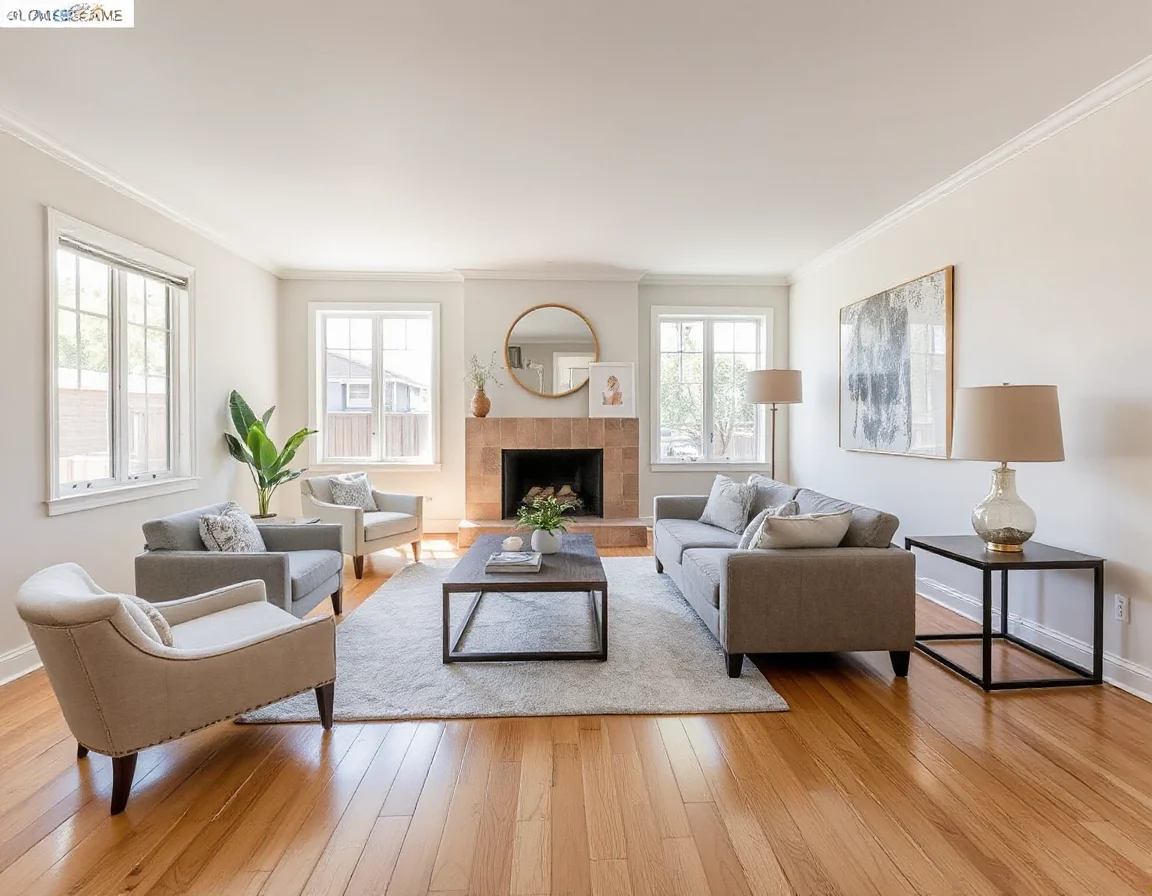
Scent and sound are worth considering too. Fresh air, a comfortable temperature, and a quiet environment can make the property feel more inviting without overdoing it. Avoid highly specific fragrances or anything that feels like it is masking a problem. Clean and neutral usually performs best.
If you are still living in the home, think through logistics in advance: where you will go during open houses, how much notice you need for private showings, and how to manage valuables and sensitive paperwork. A smooth showing routine reduces stress and helps the property stay consistently presentation-ready throughout the listing period.
Ultimately, the best seller checklist is not about doing everything at once. It is about sequencing the right steps—repairs, decluttering, cleaning, documentation, pricing, and showing prep—so your Burlingame home enters the market with clarity. When the launch feels intentional, buyers can focus on the property itself, and sellers are in a stronger position to navigate the next stage with confidence.