
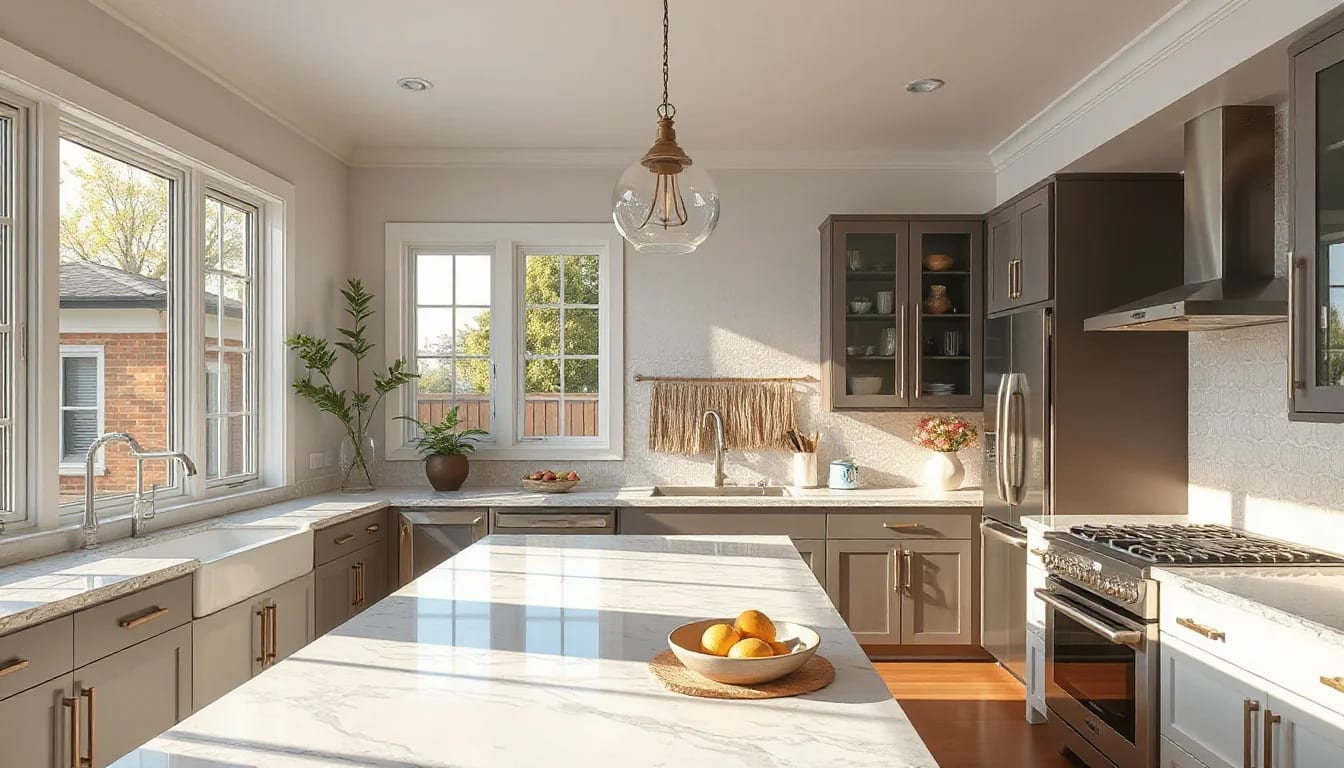
In San Francisco’s Marina District, a polished exterior can shape a buyer’s first impression long before an open house begins. The most effective upgrades are not always the largest ones: refreshed paint, thoughtful lighting, tidy landscaping, and well-maintained details can help a property look cared for while supporting a more confident pricing and marketing strategy. The key is investing in visible improvements that fit the home’s architecture, local conditions, and timeline.
Start With the Details Buyers Notice First
In a neighborhood where handsome facades, bay light, and walkable blocks create an immediate visual impression, curb appeal is more than a finishing touch. It sets the tone for every showing, listing photograph, and drive-by visit. A home does not need to be completely redesigned to feel more compelling from the sidewalk; it needs a clear, well-kept presentation that lets its best architectural features come forward.
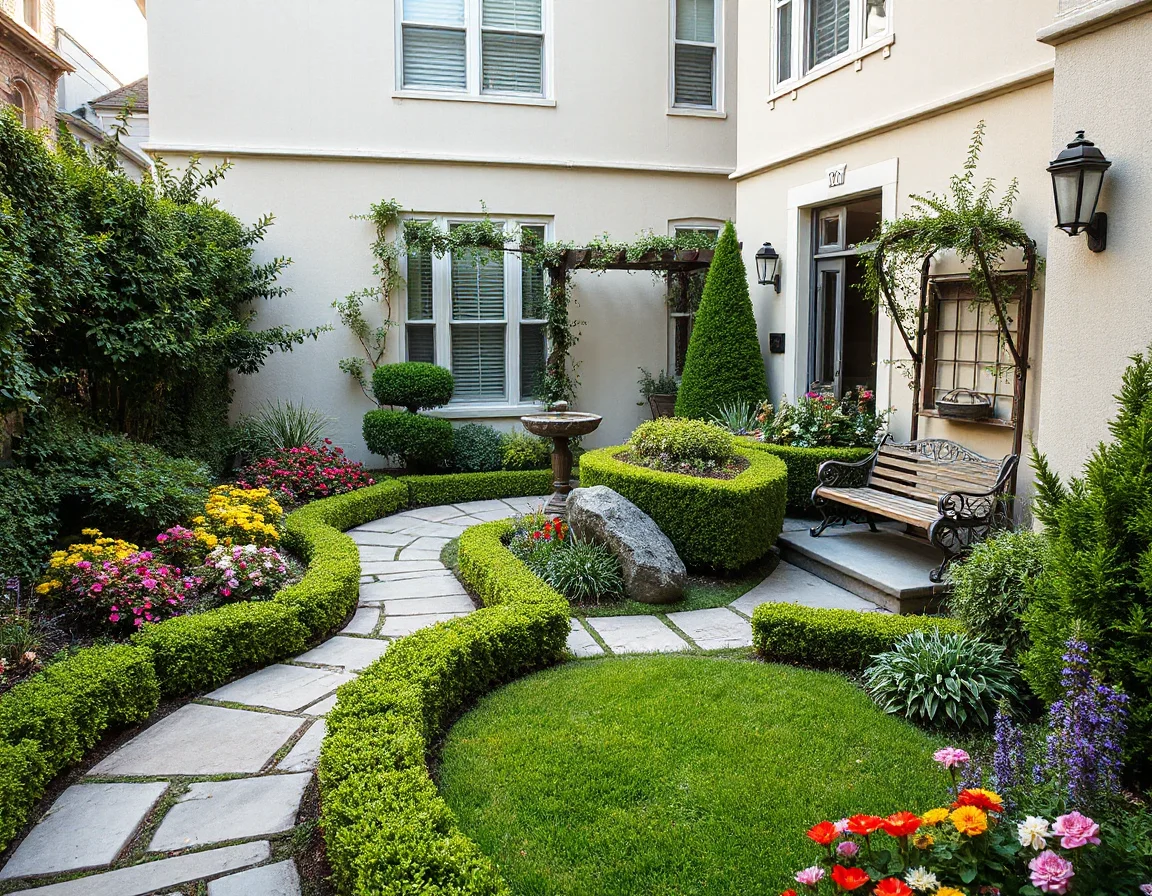
Begin with a sidewalk-level review. Stand across the street, then approach the entry as a visitor would. Look for peeling paint, stained stucco, worn house numbers, loose railings, cracked paving, mismatched planters, or a door that feels faded against the façade. Small maintenance concerns can distract from a home’s larger assets, while coordinated repairs create a sense of continuity and care.
Paint is often among the highest-visibility updates. A freshly prepared exterior in a palette that complements the building’s period and neighboring streetscape can sharpen trim, window proportions, and entry details. The goal is not necessarily to make the home louder; often, a restrained main color with a richer front-door accent and crisp trim creates the more memorable result. Before selecting colors, consider sun exposure, nearby buildings, and how the finish will read in both bright afternoon light and the city’s familiar coastal haze.
A front entry should read clearly from the sidewalk: clean hardware, legible address numbers, working lights, and a door color that complements the façade can make a meaningful visual difference without changing the home’s footprint.
Do not overlook cleaning and repair work. Pressure washing appropriate surfaces, clearing gutters, replacing damaged trim, washing windows, and refreshing metalwork can make an exterior feel newly composed. For homes with older finishes or architectural details, consult qualified professionals before using aggressive cleaning methods or coatings. The best results preserve the character already present rather than covering it up.
Create an Entry Sequence With Purpose
The path from sidewalk to front door is a short experience, but it gives buyers time to absorb condition, scale, and atmosphere. A tidy walkway, well-edged planting areas, and an uncluttered stoop make that journey feel intentional. In the Marina District, where many lots have compact front gardens and prominent entrances, careful editing can be more effective than adding too much.
Focus on durable, low-maintenance elements that look good in San Francisco’s variable weather. Healthy container plantings, neatly pruned greenery, refreshed mulch or gravel, and repaired paving can soften the architecture without obscuring it. Choose plant materials with the site’s light, wind, and irrigation conditions in mind. A landscape professional can help identify options suited to the property rather than relying on a one-size-fits-all planting plan.
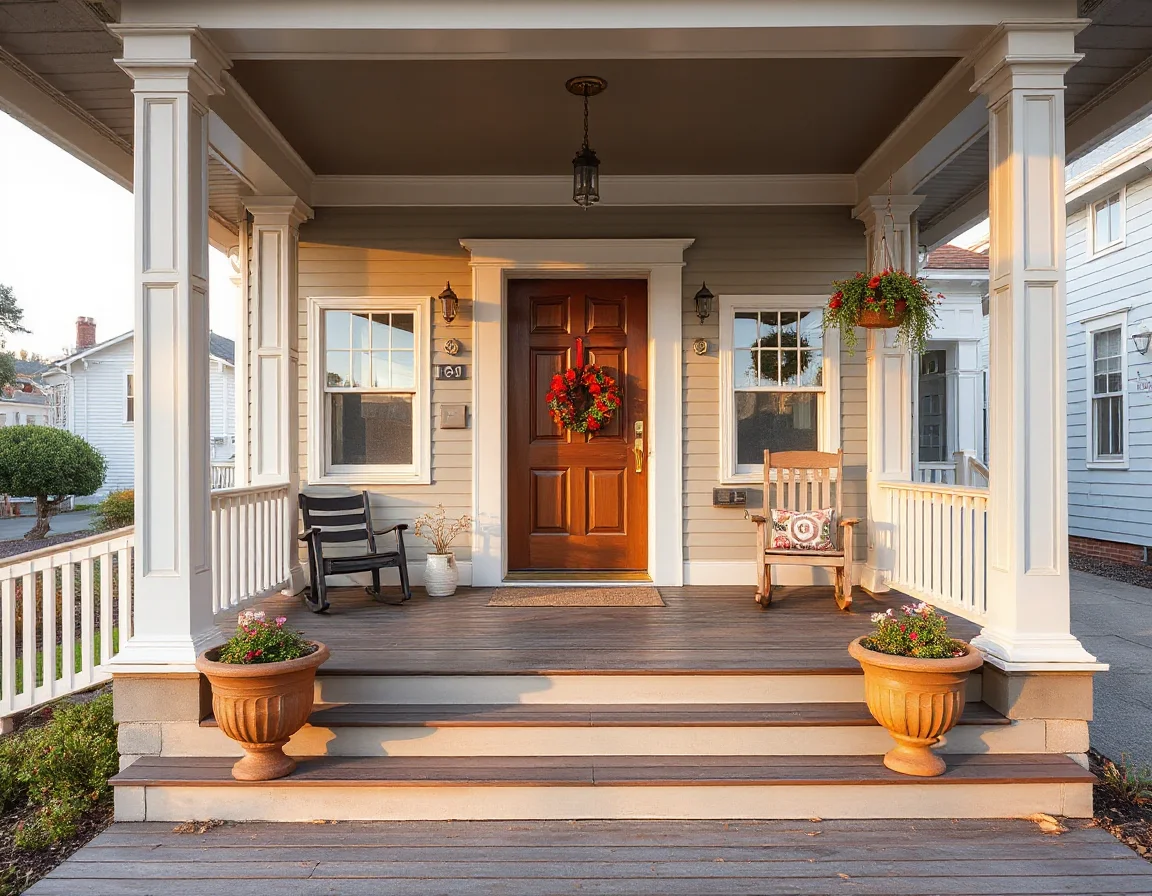
Lighting deserves particular attention because it supports both function and presentation. Replace fixtures that are corroded, undersized, or out of scale with the home. Warm, shielded lighting at the door, steps, or path can highlight the entry during evening showings and help listing photography feel more dimensional. Confirm that fixtures are operational, bulbs match in color temperature, and cords or temporary equipment are out of sight.
A few carefully selected elements can complete the composition: a quality doormat, updated mailbox, matching planters, and a doorbell that works reliably. Avoid crowding the entry with seasonal décor, excessive furniture, or too many decorative objects. When buyers can see the architecture, the front door, and the route inside without visual noise, the home feels easier to understand.
For a property heading to market, exterior preparation should also extend to practical items. Make sure gates open smoothly, exterior outlets and hose bibs are orderly, visible vents are intact, and trash or recycling containers are stored neatly for photographs and showings. These are modest tasks, but they reinforce the impression that the home has been thoughtfully maintained.
Match Improvements to the Home and the Market
Curb appeal projects are most useful when they support a larger sales plan. Before committing to extensive work, consider the property’s current condition, likely buyer expectations, anticipated timing, and the return an upgrade may realistically provide. A complete façade renovation can be worthwhile in some cases, but in others, targeted repair, paint, lighting, and landscaping will offer the clearer path to a polished launch.
Exterior projects may also involve permitting, building rules, or professional review, particularly when they affect structural elements, windows, railings, electrical work, or the public-facing character of the building. Requirements can vary by scope and location, so owners should verify current City and County of San Francisco requirements and obtain appropriate approvals before work begins. Thoughtful planning helps prevent last-minute delays just as photography or showings are being scheduled.
Prioritize consistency over novelty. An updated garage door that fits the building, a repaired fence aligned with the entry, or a new light fixture scaled to the porch often feels more valuable than an unrelated statement feature. Buyers tend to notice when improvements work together. A cohesive exterior suggests that the next owner can enjoy the home immediately rather than beginning with a list of visible catch-up projects.
It is also wise to document significant improvements. Keep invoices, contractor information, warranties, paint colors, and any permit records organized. These materials can be useful during a sale because they provide context about recent work and ongoing maintenance. They also make it easier to answer practical questions accurately without overstating the scope or condition of an upgrade.
Prepare for Photography, Showings, and Everyday Appeal
Once upgrades are complete, plan for the home’s exterior to be seen in multiple settings. Listing photos may be taken during a specific window of light, while prospective buyers could arrive on a cloudy morning, a breezy afternoon, or after sunset. Test exterior lighting, sweep hard surfaces, remove parked vehicles when possible for photography, and make sure the front entry remains clear. Fresh landscaping and clean windows are especially effective because they add texture and brightness to exterior images.
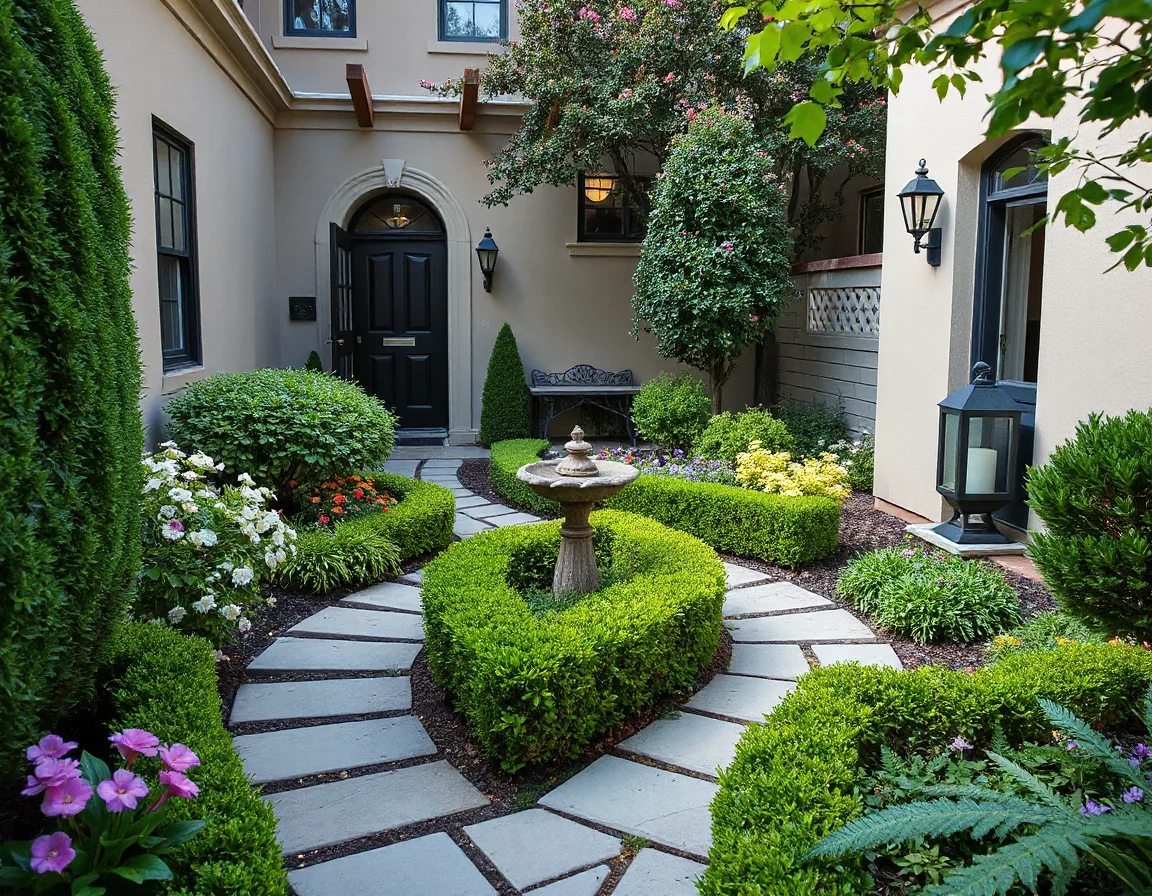
Keep the exterior presentation going throughout the marketing period. Fallen leaves, windblown debris, tired flowers, and overflowing bins can quickly undo the impact of a strong first day on market. A brief weekly exterior checklist—sweep, water, wipe the door hardware, check lights, and reset planters—keeps the property photo-ready and welcoming for scheduled visits.
The strongest curb-appeal strategy is usually a sequence: repair what is visible, refresh the entry, simplify the landscaping, then maintain the finished look through every showing and open-house weekend.
For owners considering a sale, the right upgrade list is specific to the property. A detailed walkthrough can help separate essential repairs from cosmetic opportunities and identify which improvements are most likely to support the home’s presentation. Whether the plan involves a few focused weekends or a more substantial pre-market renovation, the objective remains the same: reveal a well-cared-for Marina District home with a confident, cohesive first impression.