
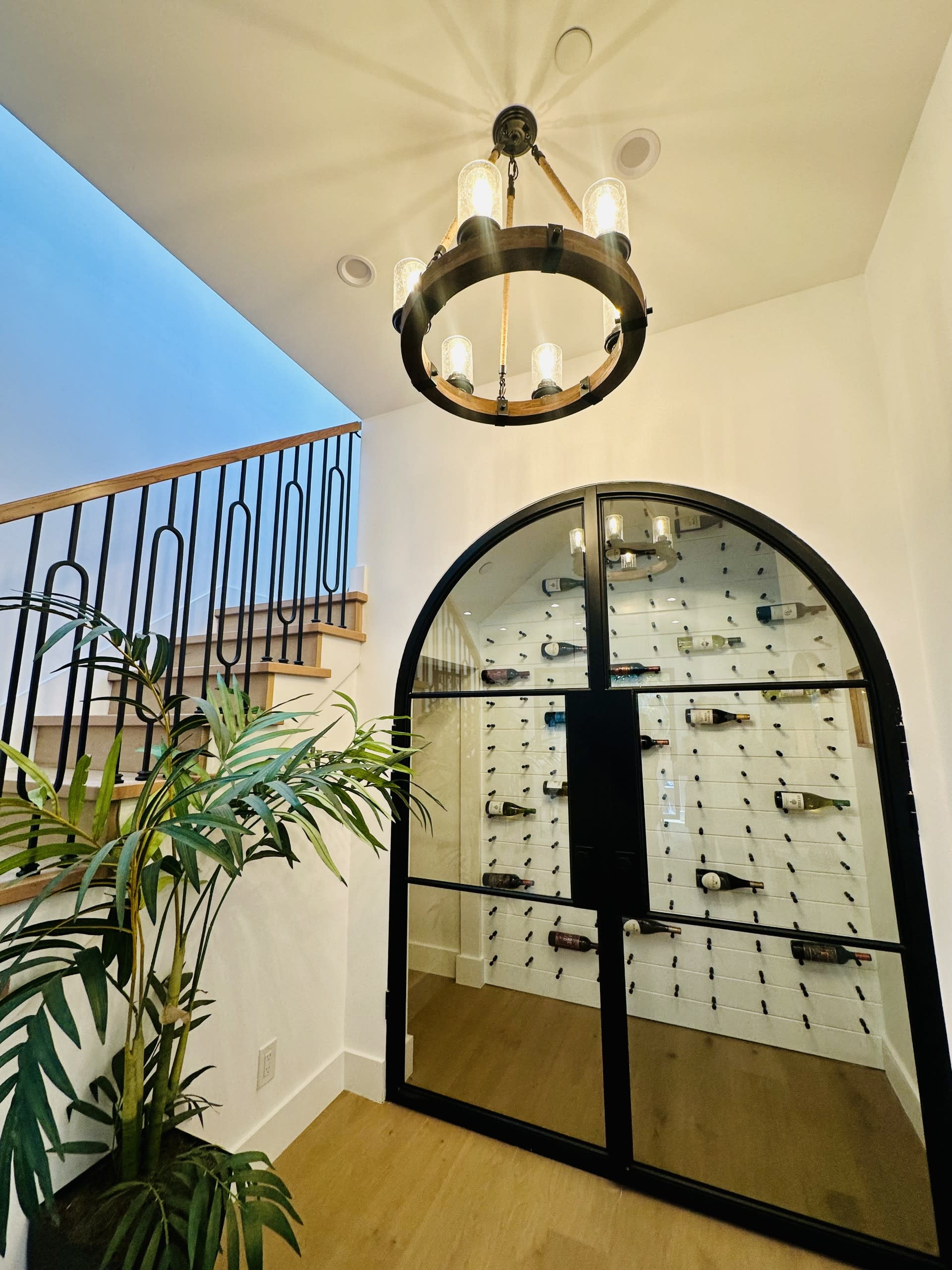
A view can change the conversation, but it rarely closes the deal on its own. In Bay Area luxury real estate, the homes that command attention and strong terms tend to combine a compelling setting with something harder to photograph: a precise fit between the property, the buyer pool, and the moment it enters the market.
That is why two homes with similar square footage, finishes, and price points can have very different outcomes. One attracts multiple serious buyers in its first week. The other sits, gathers questions, and eventually requires a price adjustment. The distinction is often strategy, not simply the home itself.
Bay Area Luxury Real Estate Is Hyperlocal
The Bay Area is one market in name only. San Francisco, the Peninsula, and Silicon Valley each contain distinct buyer motivations, architectural preferences, commute patterns, and expectations around privacy, land, schools, and lifestyle. Even within a single city, the differences can be substantial.
A buyer considering the Marina may place a premium on walkability, restaurant access, light, and proximity to the waterfront. In Hillsborough, the draw may be acreage, privacy, and a long-term family compound. A Menlo Park or Palo Alto buyer may prioritize school access, a home office, a functional floor plan, and proximity to major employers. In Burlingame and Belmont, buyers often weigh a neighborhood's residential character against access to San Francisco, Silicon Valley, and airports.
This is why broad averages offer only a starting point. Luxury buyers are not purchasing a median price per square foot. They are evaluating whether a specific home solves for their life: where children will go to school, how often they will commute, whether aging parents can visit comfortably, how the home works for entertaining, and whether the location will remain desirable when it is time to sell.
The Premium Is Often in What Cannot Be Easily Added
Square footage matters, but some of the most valuable characteristics cannot be created through a renovation. A flat lot in a hilly neighborhood, sweeping views with protected sightlines, an unusually quiet street, privacy from neighboring homes, and a short walk to a commercial district can all carry an outsized premium.
The same is true of architectural integrity. A thoughtfully updated historic San Francisco residence may appeal more strongly than a larger home with generic finishes. On the Peninsula, buyers may pay for an estate that has been carefully modernized while preserving its original character. Luxury is not one aesthetic. It is the confidence that a home has a quality and location that will continue to matter.
What Sophisticated Buyers Should Evaluate
At higher price points, competition can be intense, but the right response is not to waive judgment. A well-prepared buyer moves quickly because the research has already been done. That includes understanding recent comparable sales, likely competition, condition issues, permit history, and the practical cost of ownership.
A beautiful home can still require careful diligence. Older properties may have deferred maintenance, foundation considerations, drainage concerns, or systems nearing the end of their useful life. Hillside homes can introduce questions about access, retaining structures, insurance, and long-term maintenance. In coastal or view-oriented areas, microclimate and exposure affect both daily comfort and upkeep.
Buyers should also separate emotional value from market value. A particular kitchen, garden, or view may be personally meaningful and worth paying for. The key is recognizing where that premium becomes a deliberate lifestyle decision rather than assuming every future buyer will value it equally.
Terms Can Matter as Much as Price
In competitive situations, the strongest offer is not always the highest offer. Sellers assess certainty, timing, financing strength, contingencies, and the likelihood that the transaction will close as agreed. A buyer with clear financing, credible diligence, and flexibility around possession can sometimes prevail without making an irrational leap in price.
There is no universal formula. A buyer who needs more inspection time should not abandon a necessary protection simply to look aggressive. A family selling a home before purchasing may need a contingency plan that preserves financial stability. The right offer structure depends on the property, the competition, and the buyer's tolerance for risk.
This is where experienced representation earns its place. Strong negotiation is not theatrical. It is the disciplined work of identifying what matters to the other side, presenting a credible position, and protecting the client's interests when the pressure rises.
Selling a Luxury Home Requires More Than Exposure
For sellers, the central question is not, "What is the highest number anyone might pay?" It is, "What positioning will bring the most qualified buyers to the table and create confidence in the value?"
A luxury home needs a clear market story. That story may center on a rare location, sophisticated renovation, indoor-outdoor living, privacy, school access, or the flexibility to accommodate multiple life stages. It should be visible in the pricing, preparation, photography, property materials, and buyer conversations. When those elements conflict, buyers notice.
Pricing deserves particular care. An aspirational list price can feel protective, especially when sellers have invested significantly in a home. Yet a price that misses the active buyer pool may reduce urgency during the period when interest is naturally highest. Conversely, pricing too conservatively without a thoughtful plan can leave value on the table.
The best approach depends on inventory, comparable sales, condition, and buyer demand for that specific neighborhood. A well-positioned home in a tightly held location may benefit from a strategy designed to create competition. A highly customized property may need more targeted positioning and a longer runway to reach the right buyer.
Preparation Is a Financial Decision
Not every seller should undertake a full renovation before listing. Some improvements deliver a clear return, while others reflect personal taste more than market demand. The goal is to remove distractions and allow buyers to focus on the home's strengths.
That may mean addressing visible deferred maintenance, improving lighting, refreshing landscaping, editing furnishings, or completing high-impact cosmetic work. It may also mean leaving a larger project untouched and pricing accordingly. Sellers benefit from a candid assessment of what is worth doing, what is not, and how each decision affects timing and expected proceeds.
Discretion also matters. Some homeowners prefer a measured approach to marketing due to professional visibility, family circumstances, or a desire for privacy. A tailored launch can balance confidentiality with the exposure necessary to attract qualified buyers. The right strategy is not necessarily the loudest one.
Life Transitions Shape High-Value Decisions
Luxury transactions are often connected to moments that are not purely financial. A growing family may need more usable space. A relocation may require an efficient sale and a focused search in an unfamiliar area. A divorce or inheritance may call for calm coordination, reliable valuation guidance, and a process that reduces unnecessary conflict.
In these situations, market knowledge must be paired with judgment. The best decision may not be the quickest sale or the most dramatic purchase. It may be the choice that preserves options, aligns with tax and financial planning conversations, and supports the client's next chapter.
Investors face a different version of the same question. A property can be a strong long-term hold while producing modest short-term cash flow, particularly in high-cost markets. Purchase decisions should account for rental demand, local regulations, maintenance reserves, financing, future resale appeal, and the investor's overall portfolio objectives. Appreciation alone is not a complete strategy.
The Advantage of a Deliberate Process
The most successful outcomes in Bay Area luxury real estate are rarely accidental. Buyers benefit from defining non-negotiables before the right property appears. Sellers benefit from knowing their likely net proceeds, timing options, and preparation plan before their home is publicly available.
At Parc Bay Real Estate, Kathy Chan approaches these decisions with the personal attention of a boutique advisor and the negotiation discipline required in consequential transactions. The objective is straightforward: make decisions from a position of clarity, then execute with precision.
Whether a move is motivated by opportunity, family, investment, or change, start with the questions that will still matter after the keys are exchanged. A home should support the life and financial direction you are building, not simply win a moment of market competition.