

Tree-lined streets are one of Menlo Park’s most recognizable visual features, but a mature canopy can affect far more than curb appeal. For buyers, trees can shape light, maintenance planning, and future improvement options; for sellers, thoughtful preparation can help a property’s landscaping read as an asset rather than an unanswered question. The key is to look beyond the first impression and understand the home, lot, and trees as one connected picture.
Looking Past the Canopy
A leafy block can make a home tour feel instantly memorable. In Menlo Park, mature street trees, garden plantings, and established shade often create a sense of continuity between the public right-of-way and a property’s private outdoor spaces. That appeal matters in real estate, where the approach to a home sets expectations before anyone reaches the front door. Still, trees are a practical part of ownership as well as a visual one.
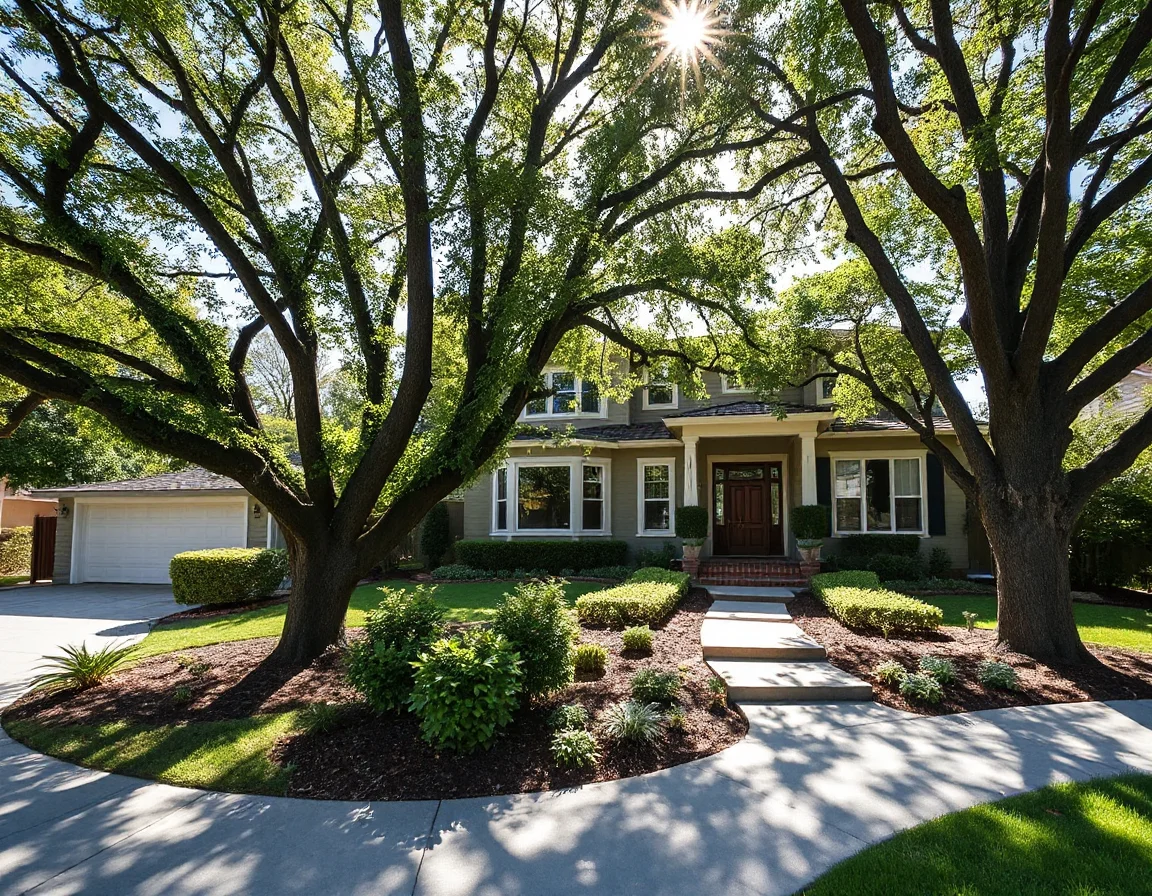
For a buyer, the first question is not simply whether the trees are attractive. It is how they relate to the house, driveway, roofline, utility connections, sidewalks, fencing, drainage, and the outdoor areas that matter most to the buyer’s plans. A large canopy can bring welcome shade and a layered garden setting. It can also mean more seasonal leaf drop, regular pruning, or a need to monitor branches near structures.
Sun exposure deserves a close look during showings. A property that feels cool and shaded on one afternoon may receive very different light at another time of day or season. Notice where sunlight reaches the patio, garden beds, windows, and potential solar locations. Buyers considering additions, landscape redesigns, or energy upgrades should think of the existing trees early, rather than treating them as an afterthought once plans are underway.
Tree roots are another reason to observe the entire site. Uneven paving, lifted landscape edging, changes around drainage areas, or close proximity to hardscape do not automatically signal a problem, but they are worthwhile items for further inspection. A qualified inspector, arborist, contractor, or other appropriate professional can help clarify conditions that are beyond a standard visual review.
A beautiful canopy is most useful in a purchase decision when it is evaluated alongside roof condition, site drainage, light exposure, and the buyer’s plans for the outdoor space.
Questions Buyers Can Ask Before Writing an Offer
Thoughtful due diligence gives a buyer more confidence and helps prevent surprises after closing. The goal is not to find a “perfect” lot—every property has maintenance considerations—but to understand which responsibilities come with this particular setting. Mature landscaping can be a meaningful feature when its condition, care needs, and relationship to the home are clearly understood.
- Who appears responsible for each tree? Some trees may be within the lot, while others may be near a public right-of-way or shared boundary. Confirm responsibility instead of relying on appearance alone.
- Has the property had recent tree work? Ask about pruning, removals, root management, irrigation adjustments, or repairs associated with branches and roots.
- Are there reports, invoices, or permits available? Documentation can provide useful context about prior work and recurring maintenance.
- What are the site’s improvement possibilities? If a buyer is considering a remodel, accessory structure, new paving, or major landscaping changes, local regulations and tree-protection requirements may affect the timeline and design.
- What does the inspection reveal? Roof debris, gutters, exterior surfaces, fences, paving, and drainage should all be reviewed in the context of nearby vegetation.
Menlo Park buyers should also verify current municipal requirements directly with the appropriate city department or qualified local professional. Tree regulations, permit thresholds, protected-tree definitions, and property-specific conditions can change. An early conversation may be especially valuable when a purchase depends on future construction, substantial landscape changes, or a detailed renovation budget.
It is equally helpful to distinguish between a maintenance item and a deal-breaking condition. Leaf cleanup, periodic pruning, and irrigation adjustments are normal aspects of many established properties. The more important question is whether the anticipated upkeep aligns with the buyer’s budget, timeline, and intended use of the home. Clear expectations make negotiations and post-closing planning far more manageable.
How Sellers Can Turn Landscaping Into Useful Information
Sellers do not need to make a landscape look artificially new to present it well. In fact, the character of established trees and gardens can be a substantial part of a property’s appeal. What helps most is showing that the exterior has been cared for and making relevant information easy for prospective buyers to understand.

Before photography and showings, a seller can start with practical grooming: remove fallen branches, clear walkways, address overgrown vegetation that blocks windows or paths, and make sure irrigation components are not visibly neglected. If pruning is appropriate, timing and scope matter. Heavy cutting immediately before a listing can change the look of a landscape dramatically, so it is often wise to seek informed guidance rather than assuming more trimming is always better.
Records are valuable. Invoices for professional pruning, arborist assessments, drainage work, roof or gutter maintenance, and prior permits can help a buyer understand what has already been addressed. These materials do not replace inspections, but they can answer routine questions and demonstrate a pattern of attentive stewardship. If there are known concerns, accurate disclosure and a clear plan for responding to buyer questions are essential.
Landscape presentation should also support the home’s broader story. A shaded seating area, a well-defined path to the entry, visible architectural details, and tidy planting beds can make the property feel coherent. At the same time, sellers should avoid obscuring key features. Buyers need to see foundation areas, side-yard access, exterior equipment, and the overall relationship between vegetation and the structure.
A pricing and marketing strategy benefits from this same level of specificity. Rather than relying on broad claims about a “lush” setting, it is more useful to identify tangible features: mature shade, established irrigation, a landscaped rear yard, recent arborist care, or a site layout that has been thoughtfully maintained. Specific facts allow buyers to evaluate value with more confidence.
For sellers, maintenance records and a clear exterior presentation can reduce uncertainty before it becomes a late-stage negotiation issue.
A Street’s Character Is Only the Beginning
Tree-lined streets contribute to Menlo Park’s visual rhythm, but they are only one part of evaluating a home. Buyers still need to consider property condition, lot configuration, access, local services, commute patterns, nearby amenities, and their own financial goals. Sellers, meanwhile, benefit from understanding which parts of a property’s exterior will invite questions and preparing straightforward answers before the home reaches the market.
That balanced approach is particularly useful during a life transition. Whether a move follows a probate process, a divorce, an investment decision, or a change in housing needs, the details can feel numerous. Breaking the process into manageable steps—property review, documents, repair decisions, pricing, and timing—helps turn uncertainty into a workable plan.
When viewing a Menlo Park property, take a few minutes to stand at the curb, walk the paths, look upward, and then look down. Notice the shade, the condition of the paving, the placement of branches, and the areas where the home meets the landscape. A tree-lined street may provide an immediate sense of place; careful observation reveals what that setting may mean for ownership over time.