

AI and tech activity can reshape where Bay Area buyers want to live, but it is not a shortcut to predicting home values. In San Francisco, San Jose, Palo Alto, Sunnyvale, and Santa Clara, housing decisions still come down to property condition, location, supply, access, and each buyer’s daily life. A hyperlocal strategy helps buyers and sellers interpret momentum without confusing headlines for guarantees.
The San Francisco Bay Area real estate conversation is again closely tied to technology. Artificial intelligence companies, established technology employers, research teams, and the businesses that support them are influencing office patterns, hiring expectations, and buyer attention across the region. For homeowners, buyers, sellers, and investors, the important question is not simply whether AI is “back.” It is how the AI and tech resurgence may affect a specific neighborhood, home type, commute route, and buyer pool.
Technology activity can increase housing demand in places where employment hubs, transit options, and lifestyle amenities overlap. It can also influence what buyers prioritize: adaptable work-from-home space, proximity to rail or major corridors, walkability, and access to established commercial districts. Yet it does not guarantee appreciation. Interest rates, local inventory, a home’s condition, school and transit preferences, insurance and carrying costs, and the broader Bay Area housing market all remain meaningful variables.
That is why hyperlocal analysis matters. A citywide headline can miss the difference between a condo near a transit stop and a hillside single-family home, or between a turnkey property and one needing substantial updates. Below are five Bay Area cities where the intersection of technology and residential real estate deserves a closer, practical look.
1. San Francisco: A City of Distinct Buyer Pools
San Francisco remains one of the most visible centers of the AI and tech resurgence, with activity concentrated in and around downtown, SoMa, Mission Bay, and other employment-oriented districts. Residential demand, however, does not move in one uniform direction across the city. A buyer considering a condominium near downtown may weigh different tradeoffs than a household seeking a detached home in the Marina District, Noe Valley, the Sunset, or Pacific Heights.
The city’s housing mix is unusually varied: historic homes, multi-unit buildings, condominiums, lofts, co-ops, and newer developments can sit within a relatively short distance of one another. That variety creates opportunity, but it also requires careful comparisons. Building financials, HOA rules, seismic and insurance considerations, parking, outdoor space, views, and renovation history can materially affect desirability and resale positioning.

Access patterns are equally specific. Some buyers place a premium on walking or biking to offices and amenities; others focus on freeway access, neighborhood retail, parks, or a commute toward the Peninsula. Hybrid work may broaden location choices, but it has not erased the value of convenience. Sellers should identify the practical strengths of their location rather than relying on a general technology narrative.
For sellers, preparation should match the likely buyer. A well-presented condominium may benefit from transparent building documentation, a thoughtful staging plan, and clear communication about storage, parking, and shared amenities. Owners of single-family homes should pay close attention to deferred maintenance, exterior presentation, and how flexible spaces are shown. Buyers should evaluate the home and the building on their own merits, then consider how the location supports their lifestyle and future resale audience.
In San Francisco, “near tech” is not a single value proposition. The strongest positioning connects a property to the daily routines of its most plausible buyers—whether that means transit access, neighborhood energy, room to work, or a quieter residential setting.
2. San Jose: Employment Access Meets a Broad Housing Landscape
San Jose sits at the center of Silicon Valley’s employment ecosystem, and its scale gives buyers a wide range of residential choices. The city includes established single-family neighborhoods, townhomes, condominiums, newer mixed-use areas, and communities with different relationships to major employment corridors. AI and technology hiring can elevate attention toward areas that make commuting or hybrid work manageable, but it does not make every property interchangeable.
For buyers, proximity to major roadways, rail connections, downtown amenities, and employment centers may factor into a search, alongside lot size, school preferences, renovation needs, and neighborhood character. A home that offers a dedicated office or a practical flex room may appeal to remote and hybrid workers, but buyers should avoid paying solely for a trend. Review property disclosures, permit history, condition, and the likely costs of improvements before deciding how a home fits your budget.
Competition can become more noticeable around well-maintained, move-in-ready homes with functional layouts. When inventory is limited in a particular micro-market, buyers benefit from setting clear priorities before touring: which items are non-negotiable, which can be improved, and what a realistic total ownership cost looks like. A disciplined offer strategy is more useful than chasing the idea that every technology-adjacent home will perform the same way.
San Jose sellers can stand out by making the home easy to understand. Address visible repairs, organize disclosures, consider pre-listing inspections when appropriate, and present work and gathering spaces with purpose. The goal is to reduce uncertainty for buyers who may be comparing several homes with different ages, upgrades, and commute options.
3. Palo Alto: Scarcity, Convenience, and Long-Term Property Stewardship
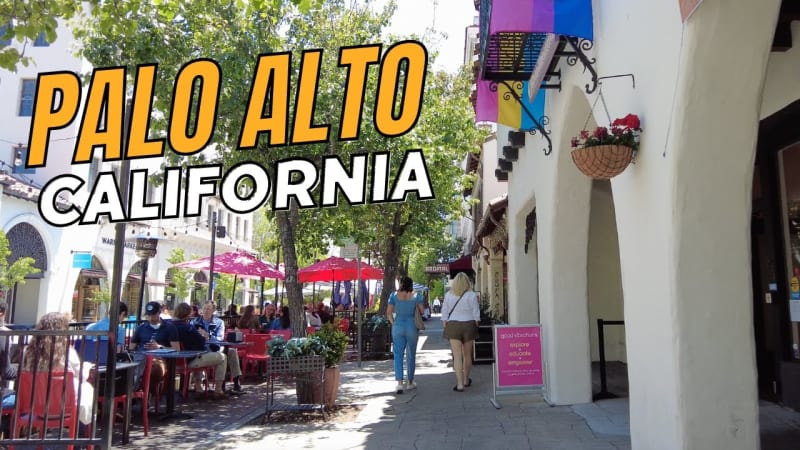
Palo Alto’s connection to innovation is longstanding, and its residential market is often shaped by a limited supply of homes in highly sought-after locations. The city combines tree-lined neighborhoods, a mix of architectural styles, access to Caltrain, nearby employment centers, retail districts, and a strong preference among many buyers for everyday convenience. Those features can support persistent interest, but they do not eliminate the need for precise property-level analysis.
Housing stock includes older homes with character, extensively renovated residences, newer construction, townhomes, and condominiums. Buyers should be especially attentive to renovation quality, permits, lot utility, potential maintenance needs, and how a home functions beyond the listing photos. A charming older property and a recently rebuilt home can attract very different audiences and carry different planning considerations.
For buyers navigating competition, preparation means more than obtaining financing. It means understanding the specific home’s condition, reviewing disclosures promptly, and deciding how much renovation risk or timing uncertainty is acceptable. Access to technology employment may be part of the appeal, but a sound purchase decision should also reflect the home’s livability, location, and long-term upkeep.
Palo Alto homeowners preparing to sell should treat property stewardship as part of the marketing story. Landscape care, paint, roofing, drainage, systems maintenance, and documentation of meaningful improvements help buyers assess a home with confidence. A tailored launch plan can distinguish genuine quality from a broadly stated claim of “tech proximity.”
4. Sunnyvale: Practical Connectivity and Evolving Residential Choices
Sunnyvale offers a compelling blend of established residential neighborhoods and proximity to major Silicon Valley employment areas. Its appeal often comes from practical access: routes to multiple job centers, Caltrain connectivity, neighborhood parks, shopping, and a range of housing options. As AI and tech resurgence activity brings renewed attention to the Peninsula and South Bay, Sunnyvale can attract buyers looking for flexibility rather than a single office-centered commute.
The local housing mix includes single-family homes, townhomes, condominiums, and newer infill or mixed-use settings. This means inventory should be read by segment. A renovated detached home can face a different competitive environment from a townhome with a homeowners association, even when both are nearby. Buyers should compare not only list prices, but monthly obligations, parking, outdoor space, condition, and the practical route to the places they visit most often.
For sellers, the presentation of usable space is particularly important. Buyers frequently evaluate whether a property can support focused work, guests, hobbies, and day-to-day storage without feeling constrained. Thoughtful staging can demonstrate possibilities without overpromising. Clear disclosures and a pricing strategy grounded in the most relevant nearby sales help create a credible launch.
The Bay Area housing market rewards specificity. A home’s access to several employment areas, transit, parks, and local services may be more durable than its connection to any one company or technology cycle.
5. Santa Clara: Innovation Corridors and Neighborhood-Level Due Diligence
Santa Clara is deeply integrated with Silicon Valley’s employment base, including major technology campuses and the broader ecosystem of suppliers, startups, and professional services. For residential buyers, that can make the city relevant for its central location and access to surrounding communities. For sellers, it can widen the pool of prospective buyers—but only when the property is positioned clearly and accurately.
Santa Clara’s neighborhoods vary in housing age, lot configuration, street character, and access to highways, rail, retail, and employment corridors. Buyers should spend time at different hours of the day to understand traffic flow, noise, parking, and neighborhood rhythm. These details can shape everyday satisfaction and future marketability more than a broad assumption about nearby technology activity.

Inventory can also be segmented by property type and condition. A buyer seeking a turnkey home may compete differently than someone open to updating an older residence. Sellers can benefit from identifying the home’s real advantages—such as a functional floor plan, cared-for systems, outdoor usability, or convenient access—while resolving issues that could create avoidable hesitation during inspections.
Practical Takeaways for Bay Area Buyers, Sellers, and Homeowners
Buyers: Treat the AI and tech resurgence as context, not a valuation formula. Start with financing clarity, then define the location and home features that best support your life. Compare inventory within the same property segment, review disclosures carefully, and account for future maintenance and association costs where applicable.
Sellers: Assume buyers will be selective and well informed. Prepare the property before it reaches the market, disclose thoughtfully, and market the home’s concrete strengths. A strong strategy recognizes the most likely buyer audience in your neighborhood instead of relying on a generic “tech boom” message.
Homeowners and investors: Monitor local changes, but avoid making decisions based on headlines alone. Improvements that enhance function, maintenance, and presentation often have more practical value than trend-driven upgrades. Before renovating, selling, or purchasing another property, consider timing, tax and financing questions with qualified professionals, and the specific supply-demand picture for your property type.
Frequently Asked Questions About AI, Tech, and Bay Area Real Estate
Does AI activity guarantee higher home prices?
No. Technology activity may influence demand and buyer interest, but residential values are shaped by many factors, including inventory, financing conditions, property condition, location, and the broader economy. No buyer or seller should assume an outcome is guaranteed.
Which Bay Area city is best for a tech-connected home purchase?
There is no universal answer. San Francisco, San Jose, Palo Alto, Sunnyvale, and Santa Clara each offer different housing mixes, access patterns, and lifestyle considerations. The best fit depends on your budget, property preferences, commute needs, and long-term plans.
How should a seller prepare when buyer interest is changing?
Focus on the controllable elements: condition, disclosures, pricing, staging, photography, and a launch plan tailored to the home’s location and likely audience. A local comparative analysis can help distinguish broad market narratives from the realities of your neighborhood.
What should I watch beyond tech headlines?
Watch active and pending inventory in your property category, days on market, condition differences among competing homes, financing conditions, and changes that affect your daily use of the location. These signals are more actionable when interpreted together.
Make a Hyperlocal Plan Before You Make a Move
The next chapter of San Francisco Bay Area real estate will not be written by one industry alone. AI and technology can influence where people work and what they value in a home, while the fundamentals of preparation, pricing, condition, and location remain essential. Whether you are exploring San Francisco, San Jose, Palo Alto, Sunnyvale, or Santa Clara, the most useful strategy begins with a close look at the street, the home, and your goals.
For a thoughtful, property-specific conversation about buying, selling, or planning your next move, contact Kathy Chan and Parc Bay Real Estate. A tailored local perspective can help you evaluate opportunity with clarity rather than hype.