
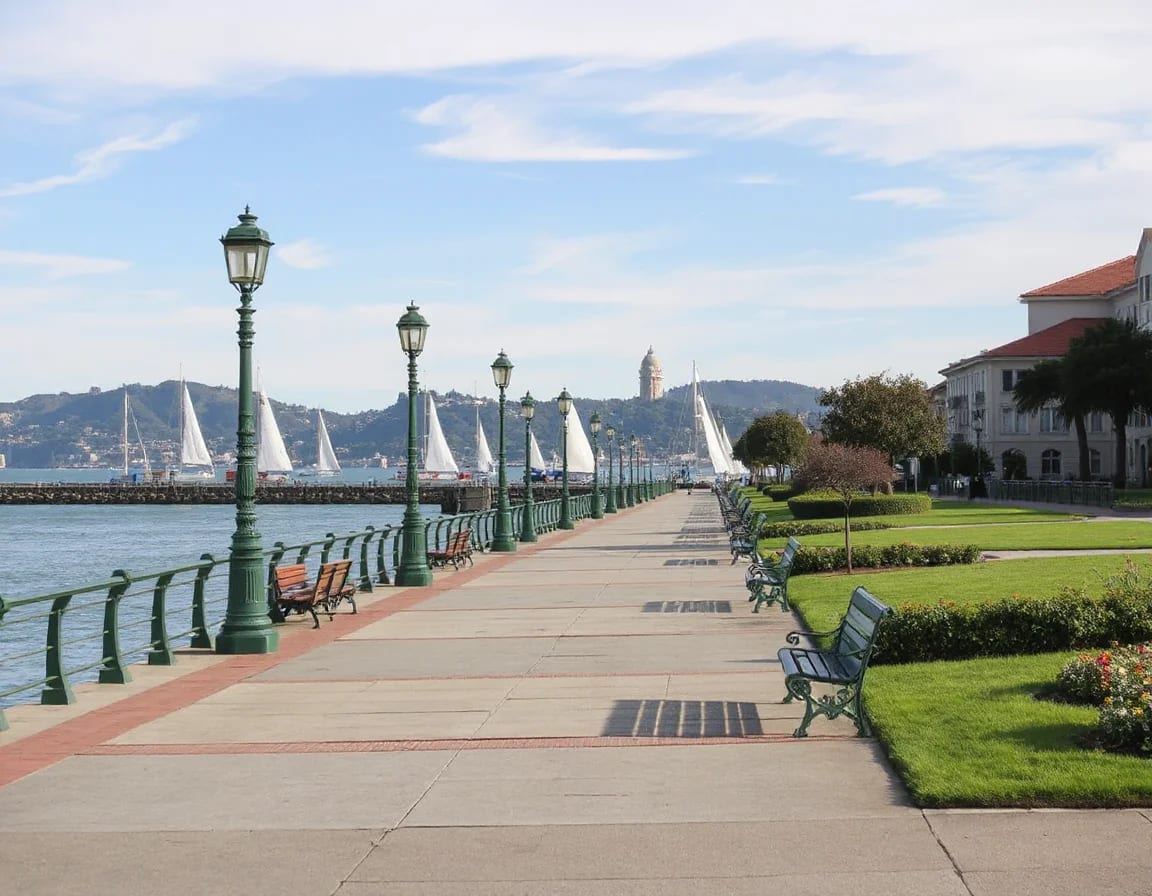
The Marina District offers one of San Francisco’s most recognizable blends of waterfront scenery, polished city living, and everyday walkability. For buyers and relocators, it stands out for its lively commercial corridors, access to the Bay, and a housing mix that feels distinctly urban yet more open and sunlit than many other parts of the city. If you are considering a move here, the key is understanding not just the lifestyle appeal, but also the practical tradeoffs that come with living in one of San Francisco’s most visible and in-demand neighborhoods.
For many people researching San Francisco neighborhoods, the Marina District quickly rises to the top of the list. It is easy to see why. The area combines postcard-worthy views, a strong sense of place, and a day-to-day lifestyle that feels both active and convenient. From the waterfront edge near Marina Green to the shops and restaurants along Chestnut Street, the neighborhood has a polished, energetic rhythm that appeals to buyers who want to be close to the Bay while staying connected to the rest of the city.
At the same time, living in the Marina is about more than scenery and reputation. Buyers considering the neighborhood should look closely at housing style, block-by-block feel, traffic patterns, parking realities, and how the area fits their routine. As with any San Francisco move, the best decision comes from balancing lifestyle goals with practical expectations.
What the Marina District Feels Like
The Marina District has a distinct identity within San Francisco. Compared with denser, steeper, or more historic-feeling neighborhoods, the Marina often feels flatter, brighter, and more outward-facing. Streets are lined with attractive buildings, mature landscaping, and a mix of local businesses that keep the area active throughout the day. There is an unmistakable waterfront influence here, even several blocks inland, thanks to the open sky, Bay breezes, and proximity to the shoreline.
Many people are drawn to the neighborhood because it offers a version of city living that feels approachable. You can run errands on foot, meet friends for coffee, head out for a waterfront walk, and still feel plugged into the broader San Francisco experience. The Marina is lively, but in many pockets it also feels orderly and residential, especially away from the busiest commercial stretches.
The Marina’s appeal is often strongest for buyers who want a neighborhood that feels social and walkable without giving up access to open space and Bay views.
That said, the neighborhood’s popularity also means it can feel busy. Certain streets see steady activity, especially on weekends and during good weather. For some buyers, that energy is part of the appeal. For others, it is worth thinking carefully about whether they prefer a quieter residential setting elsewhere in San Francisco.
Housing Style and Residential Character
From a housing perspective, the Marina is known for classic San Francisco architecture with a refined, well-kept appearance. Buyers will often encounter condominiums, flats, and multi-unit buildings, along with select single-family residences on desirable blocks. The housing stock tends to feel established rather than newly built, which is part of the neighborhood’s charm. Details such as bay windows, decorative facades, and traditional proportions contribute to the area’s visual consistency.
For buyers relocating from outside San Francisco, it is important to understand that “space” in the Marina is still relative to city standards. Even in a neighborhood that can feel more open than others, homes may have compact layouts, limited storage, or little private outdoor space compared with suburban expectations. Parking can also be a major consideration, so off-street parking or garage access may carry extra value depending on your needs.
Another practical point is that not every block offers the same experience. Some homes are closer to nightlife and retail activity, while others feel more tucked away. A buyer who wants immediate access to restaurants may prioritize one location, while someone who values a quieter evening environment may prefer another. This is where local guidance matters: the Marina is cohesive as a neighborhood, but the day-to-day feel can still shift from one section to the next.
Daily Lifestyle: Walkability, Convenience, and Energy
One of the Marina District’s biggest strengths is how easy it is to enjoy daily life without overplanning it. Chestnut Street serves as a central commercial spine, offering a broad mix of dining, coffee shops, boutiques, fitness studios, and everyday services. That means many residents can accomplish a lot within a short walk, which is a major quality-of-life advantage in San Francisco.
The neighborhood also supports an active routine. Morning coffee, a waterfront jog, grocery stops, casual dinners, and evening walks can all fit naturally into the day. For buyers who value convenience and a sense of momentum, the Marina often checks many boxes. It is especially appealing to people who want their neighborhood to feel usable, not just beautiful.
Still, convenience comes with tradeoffs. Popular commercial corridors can be crowded, and parking near busy destinations may be limited. Delivery traffic, rideshare activity, and weekend visitors can all affect how a block feels. Buyers who are sensitive to noise or congestion should pay attention to exact location, building orientation, and window exposure when evaluating a property.
The Waterfront Setting and Outdoor Recreation
The Marina’s relationship to the Bay is one of its defining features. Living here means having unusually easy access to some of San Francisco’s most iconic outdoor spaces. Marina Green, Crissy Field, and the broader waterfront corridor create opportunities for walking, running, cycling, and simply spending time outside with expansive views of the Bay, Alcatraz, and the Golden Gate Bridge.
For many buyers, this access to open space is not just a bonus. It is central to why the neighborhood works so well. In a city where density and topography can shape daily life, the Marina offers room to breathe. The visual openness of the waterfront can make the neighborhood feel less compressed than other urban areas, even though it remains firmly part of San Francisco’s city fabric.
If outdoor access is high on your priority list, the Marina offers a lifestyle advantage that is hard to replicate in many other San Francisco neighborhoods.
Of course, the same scenic assets that attract residents also attract visitors. On sunny days, the waterfront can be active and highly trafficked. Buyers should think about whether they want to live right near the most popular recreation zones or a few blocks deeper into the neighborhood for a slightly more residential feel.
Dining, Shopping, and Social Appeal
The Marina District is widely known for its dining and shopping scene, and that reputation is a meaningful part of its lifestyle draw. Residents have access to a broad range of casual and upscale options, along with neighborhood-serving businesses that make daily routines easier. The commercial environment feels curated and active, which contributes to the area’s polished identity.
For buyers who enjoy being able to step out for dinner, meet friends nearby, or browse local shops without a long commute, the Marina can be especially compelling. The neighborhood supports a social lifestyle in a way that feels organic rather than forced. There is usually something happening, but the area still functions as a real residential neighborhood rather than a purely visitor-oriented destination.
That said, buyers should be realistic about what comes with a popular social district. Certain stretches can feel more energetic late into the evening, and some blocks experience more foot traffic than others. If your ideal home environment is calm and low-activity at all hours, it is worth comparing the Marina with quieter nearby neighborhoods before making a decision.
Getting Around and Access to the Rest of San Francisco
Location is another major reason buyers consider the Marina District. The neighborhood sits in a position that makes it relatively easy to reach nearby destinations such as Pacific Heights, Cow Hollow, the Presidio, and other northern parts of San Francisco. Depending on your routine, that can make the Marina feel well connected even if you are not relying on a car for every trip.
At the same time, transportation expectations should be grounded in San Francisco reality. Traffic patterns, parking limitations, and event-related congestion can all affect travel times. If you commute regularly to another part of the city or beyond, it is smart to test the route at realistic times of day rather than assuming the map tells the whole story.
Walkability is one of the Marina’s strongest assets, but transportation priorities vary from buyer to buyer. Some people will value being able to do most things on foot. Others will focus more on garage parking, ride-share convenience, or access to major routes. A good home search in the Marina should account for those practical details early, not after you have already fallen in love with a property.
Practical Considerations Before Moving to the Marina
As attractive as the Marina District is, buyers should approach the neighborhood with a clear understanding of its practical considerations. Housing inventory can be competitive, and properties that combine strong location, parking, and updated interiors may draw significant attention. It helps to define your must-haves in advance so you can move decisively when the right opportunity appears.
It is also wise to think beyond the listing photos. In a neighborhood like the Marina, details such as street activity, natural light, storage, building systems, and commute patterns can have a major impact on long-term satisfaction. A home that looks ideal online may feel very different after a few visits at different times of day.
For relocators especially, the Marina is best evaluated as a lifestyle package rather than just a collection of homes. The right fit depends on how you want to live: how often you walk, how much you value waterfront access, how comfortable you are with neighborhood activity, and what kind of daily rhythm feels sustainable for you.
Is the Marina District the Right Fit?
The Marina District remains one of San Francisco’s most appealing neighborhoods for buyers who want a blend of waterfront access, walkable convenience, and classic city character. It offers a recognizable lifestyle with strong visual appeal and a day-to-day experience that many people find both energizing and practical.
But like any neighborhood, it is not one-size-fits-all. The best move is to compare the Marina’s strengths and tradeoffs against your priorities, budget, and routine. If you are considering a purchase in the Marina District or weighing it against other San Francisco neighborhoods, working with a local real estate professional can help you evaluate not just the listings, but the lived experience behind them.
For tailored guidance on Marina District homes, neighborhood fit, and the broader San Francisco market, reach out to our team for local insight grounded in real on-the-ground perspective.