
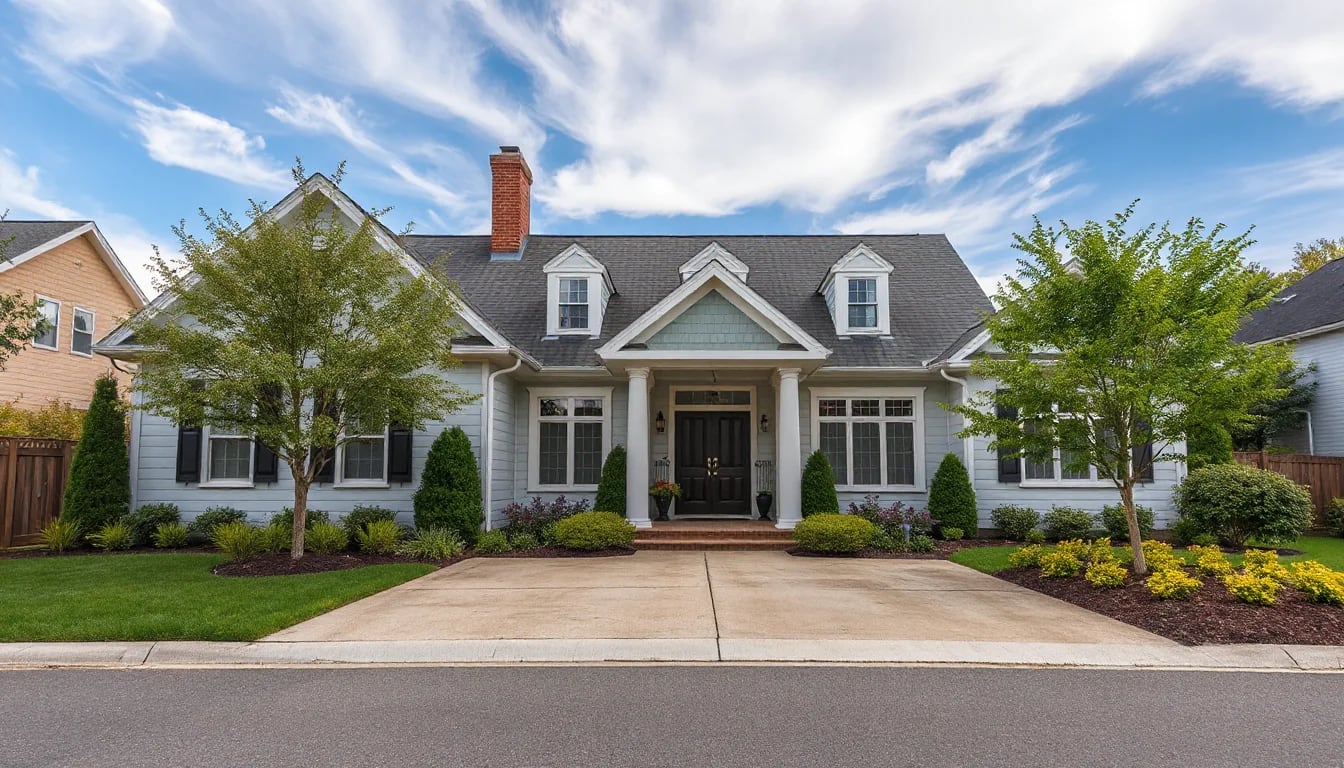
A large Hillsborough lot can offer privacy, outdoor flexibility, and a lasting sense of space—but it also comes with a maintenance plan that deserves the same attention as the home itself. Buyers who look beyond the purchase price, inspect systems carefully, and budget for recurring care can make a more confident long-term decision.
The Appeal of Space Comes With a Scope of Work
Hillsborough is known for substantial residential parcels, established landscaping, and homes where the grounds can be as important to daily life as the interior. Mature trees, long drives, terraces, pools, guest structures, and planted areas create a memorable setting. They also introduce ongoing responsibilities that can vary considerably from one property to the next.
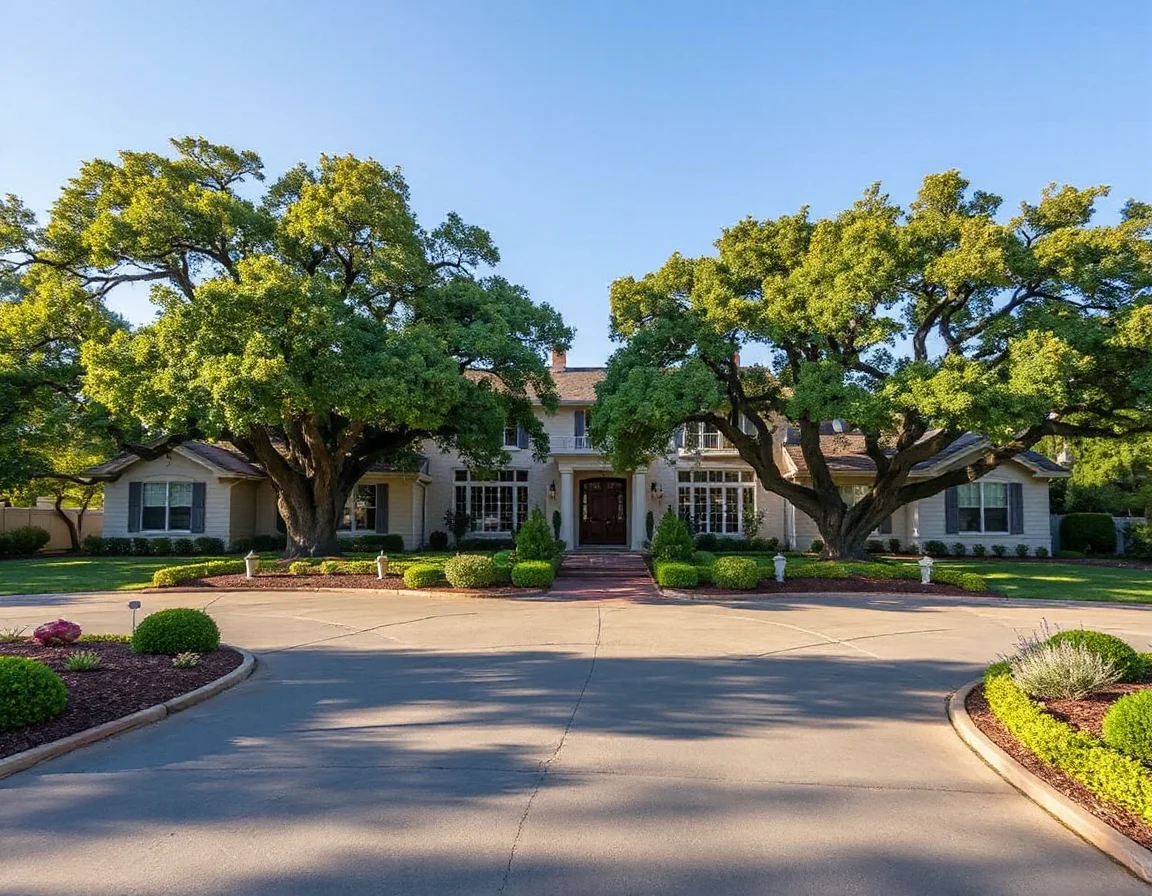
Start with the land, not just the square footage. A parcel may include level lawn, slopes, retaining walls, specimen trees, irrigation zones, decorative lighting, drainage infrastructure, gates, and hardscape. Each element can be attractive and useful, but each has a different maintenance cycle. A property with extensive planting may need regular pruning, mulch, irrigation adjustments, and seasonal cleanup; a parcel with slopes may require specialized evaluation for drainage and erosion control.
It is helpful to distinguish between routine work and capital projects. Routine work includes gardening, tree care, pest management, pool service, and exterior cleaning. Capital projects may include resurfacing a driveway, replacing fencing, rebuilding retaining structures, updating irrigation controls, or addressing drainage. Neither category should be treated as an automatic negative. The goal is to understand the property’s present condition, likely timeline, and the vendors or specialists required to maintain it well.
On a large lot, the most useful inspection question is often not “What needs work today?” but “What will need attention over the next three to five years?”
Before writing an offer, buyers can ask for available records on landscaping, pool equipment, tree work, permits, drainage improvements, roof repairs, and major exterior upgrades. In older or extensively improved properties, a clear record of past work can make it easier to understand what has been maintained and what may be approaching the end of its service life. If documentation is limited, that is a prompt for careful due diligence—not necessarily a reason to dismiss the home.
Build a Realistic Ownership Budget
The cost of owning a large-lot property is broader than mortgage principal, interest, taxes, and insurance. A practical budget should include recurring exterior care, reserve funds for periodic repairs, utilities associated with larger grounds, and any specialized services the property requires. The right number is personal because the level of maintenance can range from simple and restrained to highly detailed and hands-on.
One useful approach is to create three categories: monthly essentials, annual services, and long-range reserves. Monthly essentials might include landscaping or irrigation monitoring. Annual services may include tree assessment, gutter cleaning, pool opening or equipment review, fire-safety vegetation management where applicable, and exterior pressure washing. Long-range reserves can cover major items such as roofs, hardscape, drainage systems, gates, paving, and aging mechanical equipment.
- Landscape scope: Ask how often the grounds are serviced and what that service includes.
- Water management: Review irrigation zones, controllers, leak history, and drainage paths after rain.
- Tree care: Consider the condition and placement of mature trees, especially near structures, driveways, or utility lines.
- Hardscape and access: Inspect driveways, stairs, walls, patios, and exterior lighting for wear and safety concerns.
- Special features: Pools, spas, detached structures, generators, and gates should each receive appropriate inspections.
Utility consumption can also be shaped by the grounds. Irrigation, exterior lighting, pool equipment, and larger building footprints may influence water and electricity use. Reviewing prior utility bills, when available, can be more instructive than relying on general assumptions. Buyers may also want to understand whether equipment has been updated for efficiency and whether the current landscape design is compatible with their preferred level of water use and maintenance.
Due Diligence Should Extend Beyond the House
Inspections are particularly valuable when they are matched to the property. A general home inspection is an important starting point, but a large lot may warrant additional specialists. Depending on the features present, buyers may consider arborists, drainage professionals, pool inspectors, roof inspectors, chimney specialists, structural engineers, or contractors familiar with site work. The purpose is to gain clarity before contingencies are removed.
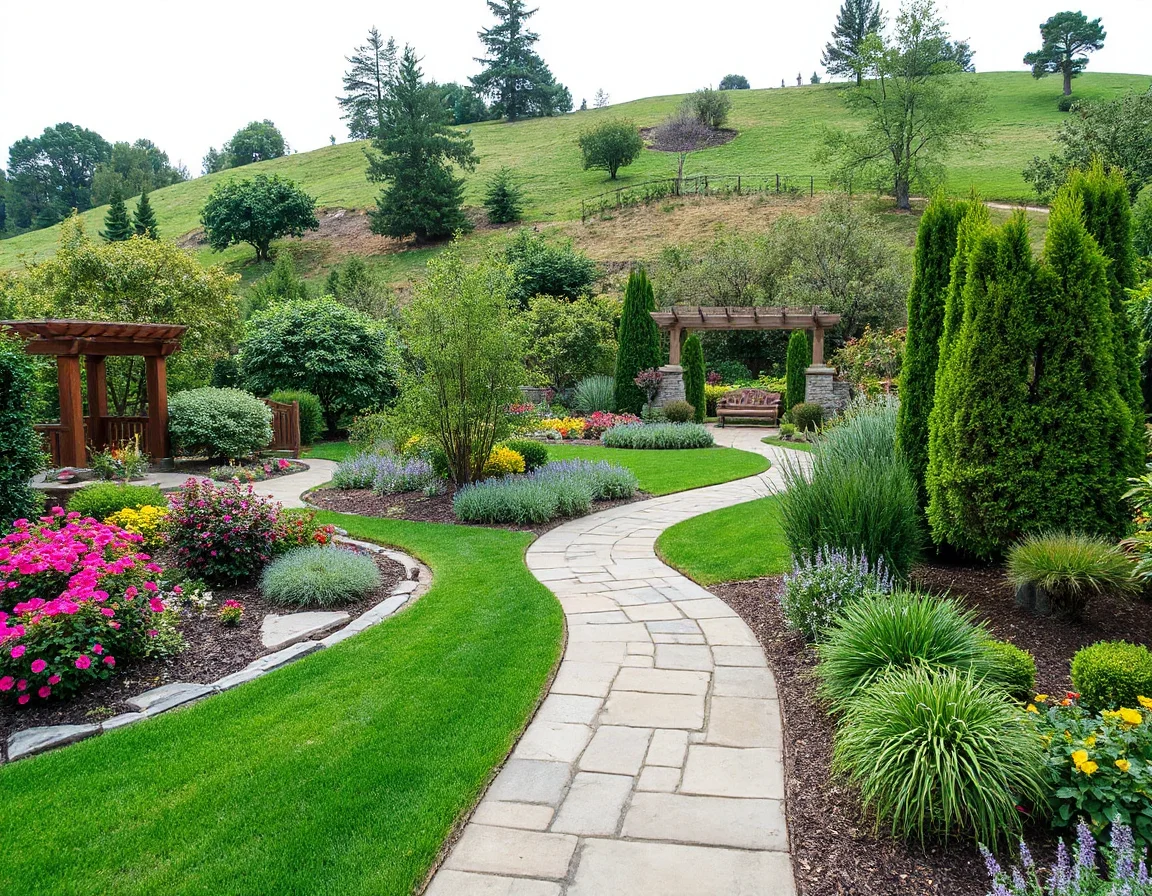
Pay close attention to water flow. During the dry season, drainage issues can be easy to overlook, yet they can become meaningful during periods of heavy rain. Look for signs of standing water, staining, soil movement, cracked paving, moss growth in unexpected places, or downspouts that discharge too close to structures. Ask how water moves across the property and whether improvements have been made to direct it safely away from the home.
Access matters as well. Long or sloped driveways can be visually striking, but they should be assessed for surface condition, drainage, lighting, turning space, gate operation, and repair history. A property with detached garages, accessory buildings, or extensive outdoor areas may also involve more equipment, more utility connections, and additional maintenance decisions. A strong due-diligence plan treats these features as part of the home’s operating system.
Buyers should also review local requirements that may affect planned improvements. Hillsborough has its own permitting, design review, and tree-related considerations, and property-specific restrictions may appear in title documents or prior permit records. Anyone considering additions, major landscape changes, pool work, or accessory-structure updates should verify the current requirements directly with the appropriate professionals and local agencies before relying on preliminary ideas.
Long-Term Value Is About Condition, Flexibility, and Stewardship
A larger parcel can offer meaningful long-term value when it is well maintained and thoughtfully improved. Land, setting, usable outdoor areas, mature landscaping, and a cohesive relationship between the home and its grounds can all contribute to a property’s appeal. At the same time, buyers should avoid assuming that every expensive upgrade will produce a matching increase in market value. The most durable improvements are usually those that solve real functional issues, preserve the property, and fit the architecture and site.
For example, upgraded drainage, repaired retaining walls, a sound roof, efficient irrigation, refreshed paving, and carefully maintained trees may not be as immediately visible as a dramatic redesign. Yet these investments can reduce future uncertainty and support the overall condition of the property. Conversely, highly personalized landscape features or elaborate systems may require more specialized upkeep. The best plan balances enjoyment with a realistic understanding of ownership.
It can be useful to think in terms of optionality. Does the existing land configuration support the outdoor uses you value? Are there areas that are easy to maintain, or would the property benefit from simplifying part of the landscape over time? Is there room for future improvements subject to approvals? A home does not need to be “finished” on day one, but buyers should know which elements are priorities, which are elective, and which require immediate attention.
Well-maintained infrastructure often protects both daily usability and resale readiness more effectively than cosmetic changes made without a site plan.
Make the Purchase Decision With the Full Picture
Large-lot ownership in Hillsborough is not one-size-fits-all. Some buyers welcome the rhythm of caring for gardens, trees, and outdoor spaces; others may prefer a property with a simpler landscape and fewer specialized systems. Neither preference is better. What matters is aligning the property’s upkeep requirements with your budget, timeline, and desired level of involvement.
When comparing homes, evaluate more than lot size. Consider usable versus steep terrain, the age and complexity of outdoor systems, the condition of landscaping, anticipated reserve needs, and the extent of deferred maintenance. A smaller but carefully maintained parcel may be a better fit than a larger lot with immediate capital needs, while a larger property with sound infrastructure may offer exceptional flexibility over time.
With a clear inspection strategy and a realistic reserve plan, buyers can appreciate the full value of Hillsborough’s larger residential settings without being surprised by the work behind them. The strongest decisions come from seeing the property as a complete investment: house, land, systems, maintenance history, and future possibilities working together.