
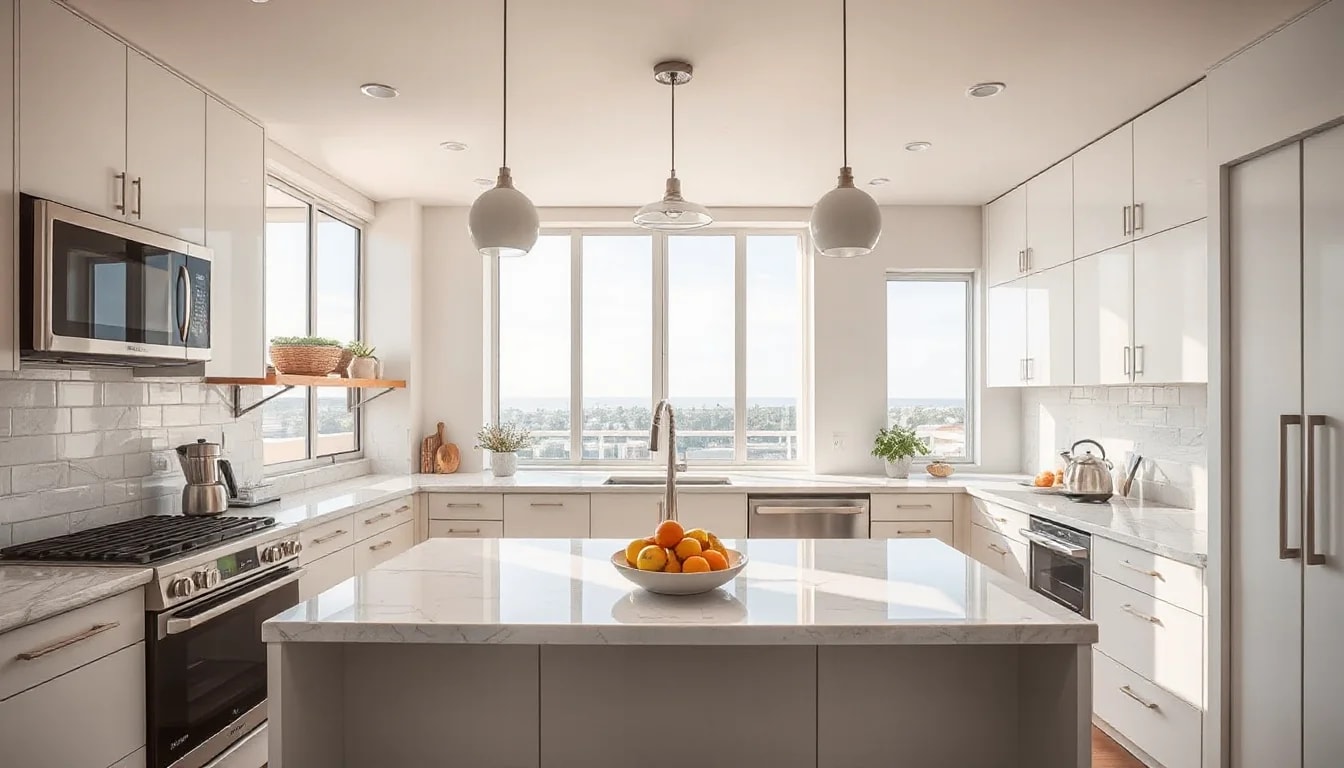
The strongest South Beach condo upgrades do more than refresh a room: they make daily routines simpler, address the realities of compact city living, and help a future buyer understand the home’s value at a glance. Prioritize durable finishes, practical storage, thoughtful lighting, and improvements that fit the building’s rules before committing to a major renovation.
Start With Function, Not Finishes
A well-considered condo renovation begins with the questions residents ask every day: Where do groceries go? Is there enough task lighting for cooking or working? Can a guest stay comfortably? Does the entry collect clutter? In South Beach, San Francisco, where many residences balance urban access with efficient square footage, upgrades that solve these small friction points can make a home feel notably more polished and usable.
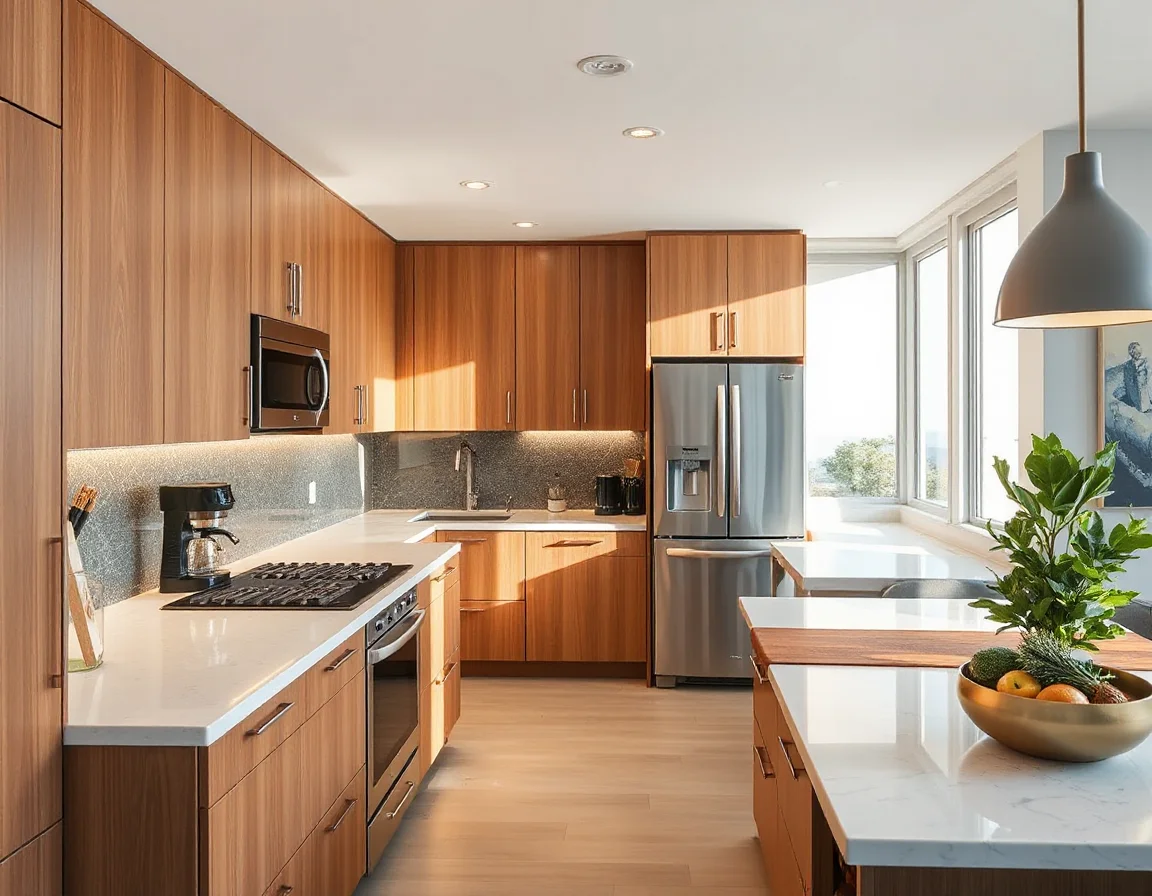
Before choosing tile or hardware, map the daily flow through the residence. An entry bench with concealed storage, a slim built-in cabinet near the door, or a pantry pullout can add more practical value than a purely decorative feature. In a one-bedroom or studio layout, flexible furnishings and built-ins can help define distinct zones for dining, working, resting, and storage without crowding the room.
Kitchens are often the first place where function and resale appeal overlap. Replacing a failing appliance, improving counter workspace, adding pullout drawers, or installing a quiet ventilation system can have a bigger impact than changing every surface. Buyers tend to notice whether cabinets open smoothly, lighting is adequate, outlets are well placed, and there is a logical home for everyday items. These details communicate care without forcing the next owner into a narrowly personal design choice.
For many condo renovations, the most persuasive improvement is not the most dramatic one: organized storage, usable counter space, and layered lighting can change how a compact floor plan performs every day.
It is also wise to consider the building before finalizing a plan. Condominium associations may have requirements for working hours, flooring underlayment, plumbing changes, contractor insurance, permits, elevator reservations, and debris removal. Reviewing the CC&Rs, project approval process, and building guidelines early can prevent expensive changes after materials have been ordered.
Kitchen and Bath Updates With Broad Appeal
Kitchen and bathroom improvements remain central to how people evaluate a condo, but “new” is not always the same as “better.” A full renovation may be appropriate when systems, cabinetry, or layouts are worn out. In other cases, a targeted update can create a cleaner, more coherent result while protecting the renovation budget for less visible but equally important needs.
In the kitchen, durable quartz or stone-look counters, neutral cabinet fronts, quality drawer hardware, and modern lighting usually offer a dependable foundation. If the existing cabinet boxes are in good condition, refacing or repainting them may be more efficient than replacing everything. Choose finishes that relate to the rest of the home rather than treating the kitchen as an isolated design project. A consistent palette makes the residence feel intentional from the entry through the main living space.
Bathrooms benefit from similar restraint. Updated vanity lighting, a properly vented fan, water-resistant flooring, a clear glass shower enclosure where appropriate, and secure storage can improve both function and presentation. If replacing plumbing fixtures, select established finishes and styles that are easy to maintain. Extremely trend-specific tile, unusual fixture colors, or complicated features can date quickly and may narrow the number of buyers who can picture their own belongings in the space.
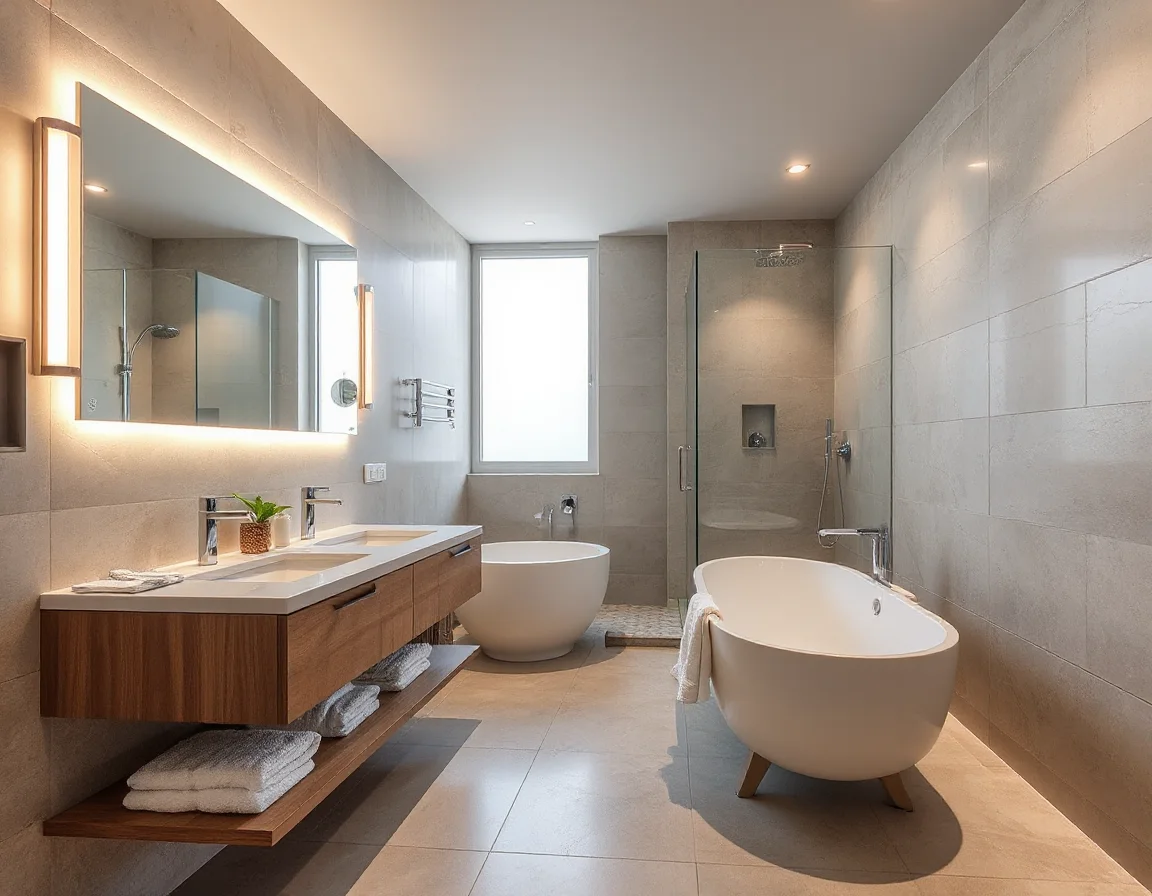
Water management deserves special attention in any multifamily building. Confirm whether a proposed shower, dishwasher, washing machine, or plumbing relocation requires association approval or a licensed professional. Keep records for permitted work, warranties, appliance manuals, and contractor invoices. When it is time to sell, a clear project file can help answer practical questions and demonstrate that the work was approached carefully.
Lighting is another high-return update that is easy to underestimate. Aim for a mix of ambient, task, and accent lighting. Recessed fixtures can brighten circulation areas, while pendant lights or sconces can add definition at a dining area, kitchen counter, or vanity. Dimmers are an inexpensive finishing touch that gives residents more control throughout the day. Whenever possible, select warm, consistent bulb temperatures rather than mixing noticeably different tones from room to room.
Keep receipts, permits, warranties, and association approvals in one digital folder. The documentation may be nearly invisible during daily life, but it can be highly useful during a future sale.
Make Storage and Flexibility Part of the Plan
Condo buyers often evaluate how a residence handles the items that do not appear in listing photos: coats, cleaning supplies, luggage, sports equipment, seasonal décor, chargers, and paperwork. Storage improvements can therefore be among the most useful upgrades, particularly when they look integrated rather than improvised. Consider closet systems with adjustable shelving, overhead cabinets, deep drawers, or a built-in media wall that conceals cords and provides closed storage.
Flexibility matters as well. A secondary room, alcove, or dining niche may serve different purposes over time, and the best updates leave those options open. A simple built-in desk, for example, can be attractive when it is proportioned to the room and designed to function as a console or storage surface later. Avoid permanently converting a space in a way that obscures its original purpose or reduces its adaptability.
Sound control can improve comfort without becoming a visual feature. Depending on building rules and construction, area rugs, underlayment, solid-core interior doors, quality window coverings, and soft furnishings can reduce echoes and make rooms feel calmer. For flooring replacements, verify the association’s acoustic standards before making a material choice. This is one area where following the building’s specifications is every bit as important as selecting a finish that photographs well.
Smart-home features can be useful, but simplicity is key. A programmable thermostat, keyless entry where approved, leak sensors, or app-controlled lighting may appeal to buyers when the systems are intuitive and transferable. Leave clear instructions and reset devices before listing the home. Technology should support the residence, not create an extra layer of uncertainty for the next owner.
Spend With the Future Sale in Mind
Resale-minded renovation is not about stripping a home of personality. It is about making durable choices that are easy to understand, maintain, and appreciate. A carefully selected paint color, a distinctive light fixture, or a well-made wood detail can give a condo character. The key is to pair those moments with a practical foundation of neutral, lasting materials and systems that function reliably.
Budgeting should include a contingency for conditions behind walls, delivery delays, required building protections, permits, and professional installation. In a condominium, the least glamorous line items can be essential: waterproofing, electrical upgrades, ventilation, leveling, underlayment, and properly coordinated plumbing. Spending on these fundamentals often protects the more visible finishes and reduces the risk of revisiting work later.
Before selling, view the completed project through a buyer’s lens. Are there unfinished transitions, mismatched hardware, loose outlets, worn caulk lines, or missing touch-up paint? Small corrections can make a major difference in how cohesively the home presents. Professional photography, accurate disclosure of improvements, and organized documentation can then help the renovation tell a credible story.
South Beach condo upgrades are most successful when they respect the building, support everyday routines, and create a clean visual throughline from room to room. Whether the goal is to enjoy the home longer or prepare for a future move, a focused plan can turn a series of improvements into a residence that feels more capable, comfortable, and ready for its next chapter.