

Hillsborough tends to attract attention because small shifts in available listings can have an outsized effect on pricing, negotiation leverage, and timing. For buyers, that means watching inventory and days on market as closely as list prices; for sellers, it means understanding when low supply supports stronger positioning and when presentation matters even more. This guide breaks down the signals worth tracking so decisions feel grounded instead of reactive.
Why inventory matters as much as price
In a market like Hillsborough, headline prices rarely tell the whole story. A luxury-leaning housing mix, a limited number of homes changing hands at any given time, and property-by-property differences in lot size, condition, and updates can make averages look dramatic from one month to the next. That is why both buyers and sellers benefit from looking past a single statistic and paying attention to the broader pattern: how many homes are available, how quickly they are moving, and how much competition appears when a well-prepared listing comes online.
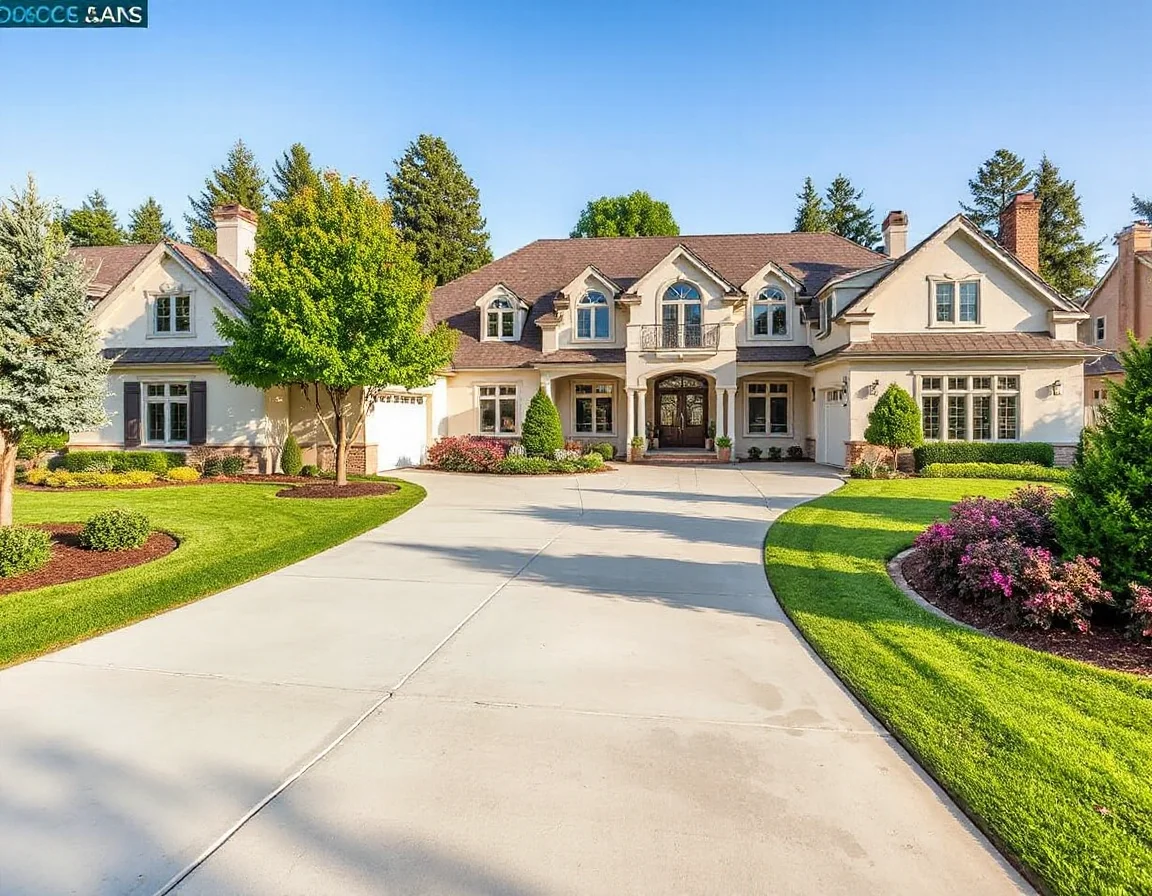
When inventory is tight, buyers often have fewer chances to compare homes side by side. That can keep pricing firm even if mortgage-rate sensitivity causes some hesitation. On the other hand, when more listings arrive in a short window, buyers may gain room to negotiate on price, contingencies, or closing timelines. Sellers should pay close attention to this balance because a home entering the market during a lower-supply period may stand out more quickly, while a similar property listed alongside several competing homes may need sharper pricing and stronger presentation to hold attention.
Another reason inventory deserves close attention is that Hillsborough does not behave like a high-volume market where a flood of new listings smooths out pricing trends. Here, even a modest change in active inventory can shift buyer psychology. A handful of fresh, well-finished properties can make the market feel abundant for a few weeks, while a sparse selection can make standout homes feel more urgent.
In a lower-inventory environment, pricing discipline matters on both sides: buyers may need to move decisively on the right property, while sellers often benefit from entering the market fully prepared rather than planning to adjust later.
What buyers should track before making an offer
For buyers, the most useful question is not simply, “Are prices up or down?” It is, “What kind of leverage exists for the specific home I want?” A recently renovated property on a desirable lot may draw very different interest than a home that needs system updates or design work, even if both appear close in price. Watching days on market, price reductions, and the number of comparable active listings can reveal whether a seller is likely to receive multiple offers or whether there may be room for negotiation.
It also helps to separate list price from market value. In competitive pockets, some homes are intentionally priced to attract broad attention, while others enter at a number that leaves little room for movement. Buyers who study recent closed sales, pending activity, and how quickly similar homes went under contract are usually in a better position to recognize whether a listing is aligned with current demand. This matters especially in Hillsborough, where architectural style, level of modernization, and outdoor space can influence value significantly.
If inventory starts to build, buyers may gain the advantage of time. More choice can reduce the pressure to waive protections or stretch beyond a comfortable budget. If inventory remains thin and well-located homes continue to move quickly, preparation becomes the key edge: financing readiness, a clear understanding of priorities, and a realistic sense of where competition is most likely to appear.
What sellers should watch before choosing a list price
Sellers often focus first on the highest recent sale in the area, but that number only helps if the comparison is truly relevant. In Hillsborough, pricing strategy should reflect more than square footage. Buyers respond to condition, privacy, lot usability, light, floor plan flow, and how current the kitchen, baths, and systems feel relative to other available homes. Looking at active competition is just as important as reviewing closed sales because buyers make decisions based on what they can purchase now, not only what sold several weeks ago.
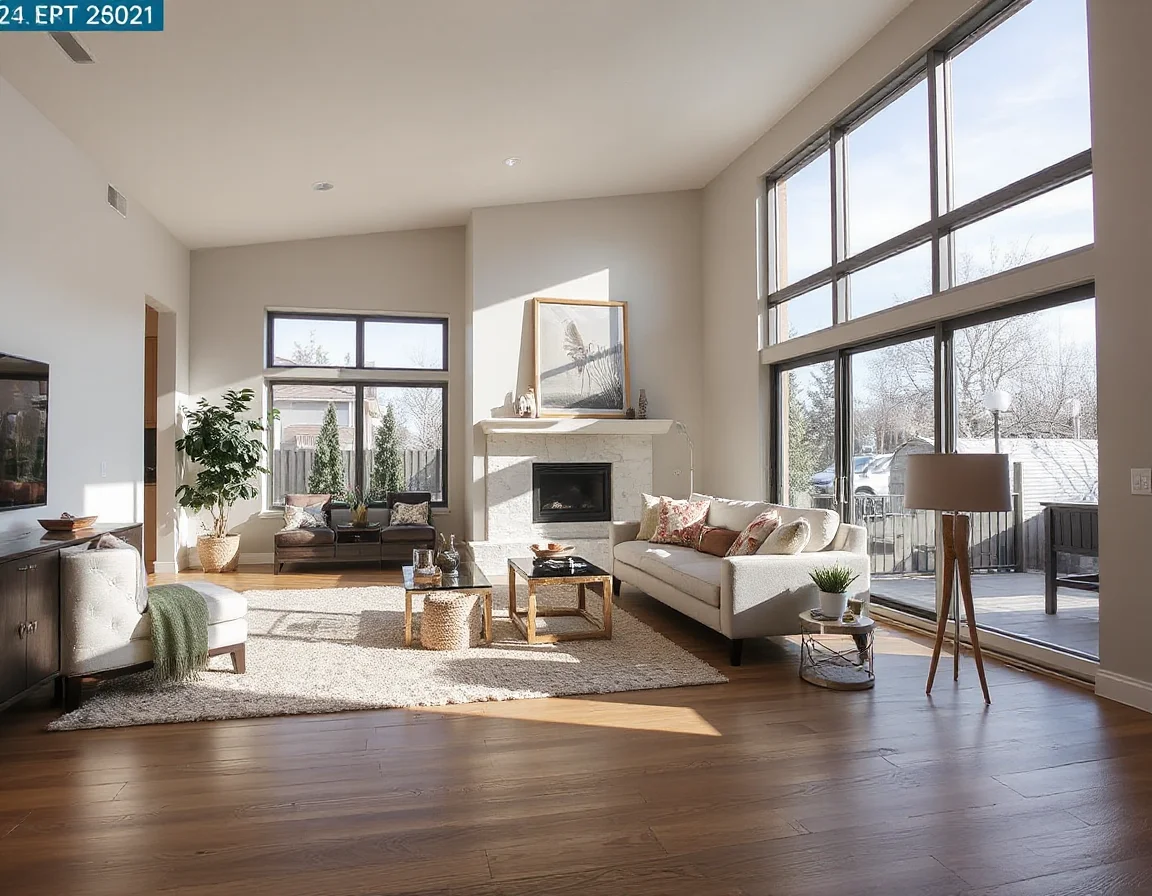
When inventory is limited, sellers may be tempted to test the market with an ambitious asking price. Sometimes that works, particularly when the home is updated, presented beautifully, and enters the market at a moment when buyers have few alternatives. But overpricing still carries risk. A listing that lingers can lose momentum, and in an environment where buyers are watching rates and value closely, a stale listing may invite lower offers than a sharper launch would have produced.
Preparation remains one of the biggest controllable advantages. Thoughtful staging, pre-listing repairs, polished photography, and a pricing plan informed by current competition can influence how quickly a property gains traction. Even in a strong market, presentation affects whether buyers see a home as move-in ready, worth a premium, or likely to require future investment. Sellers who understand inventory conditions can decide whether to prioritize speed, top-dollar positioning, or a balance of both.
A small inventory window can create strong first-week attention, but that benefit is easiest to capture when the home is market-ready on day one, not still waiting on deferred touch-ups.
Seasonality, timing, and reading the market mood
Timing also deserves a closer look. While spring often brings fresh listing activity, Hillsborough can see meaningful demand outside the traditional peak season because many moves are driven by planning cycles, job changes, or long-range lifestyle decisions rather than impulse. That means sellers should not assume there is only one ideal launch window, and buyers should not assume every slower month brings automatic bargains. The better approach is to measure market mood through actual activity: showing traffic, new listing volume, pending sales, and the pace of price adjustments.
Interest rates can amplify these seasonal patterns. When borrowing costs ease, buyers who have been waiting may step back in quickly, increasing competition for well-positioned listings. When rates rise or remain volatile, buyers may become more selective, placing a premium on homes that feel turnkey and accurately priced. In that setting, inventory quality matters as much as quantity. A larger number of listings does not automatically create leverage if the best homes still stand far above the rest.
For both sides, the most practical mindset is to focus on live conditions instead of broad assumptions. A market can be expensive and still negotiable in certain segments. It can be supply-constrained and still reward patience if a wave of listings is about to hit. Tracking inventory, days on market, and comparable activity together gives a clearer read than any single number in isolation.
A smart next step for buyers and sellers
The Hillsborough market rewards preparation more than guesswork. Buyers who understand current inventory and seller positioning are better equipped to write competitive offers without overreaching. Sellers who study the active landscape, not just past sales, are better able to price strategically and launch with confidence. In a market where each listing can influence perception, small shifts matter.
If you are planning a purchase or a sale, the most useful next step is a current, property-specific review rather than a generic market headline. Looking at comparable homes, active competition, and recent negotiation patterns can help clarify whether now is the right time to move, wait, or refine your approach. That kind of clarity is what turns market information into a practical advantage.