

The Marina District offers a rare equation in San Francisco: broad bay outlooks, easy access to outdoor recreation, and a street grid that makes daily errands feel unusually convenient. But those advantages come with real tradeoffs, including pricing, parking realities, and a housing mix that varies widely block by block. If you are weighing whether the neighborhood fits your priorities, it helps to think in terms of lifestyle math rather than headline appeal.
Why the Marina District Stands Out
Some neighborhoods make their case immediately, and this one does it with scenery and rhythm. The Marina District combines waterfront access, recognizable architecture, and a street pattern that supports a highly walkable day-to-day routine. Within a relatively compact area, residents can move from bayfront paths to fitness studios, grocery runs, corner coffee stops, and neighborhood dining without covering much ground by car.
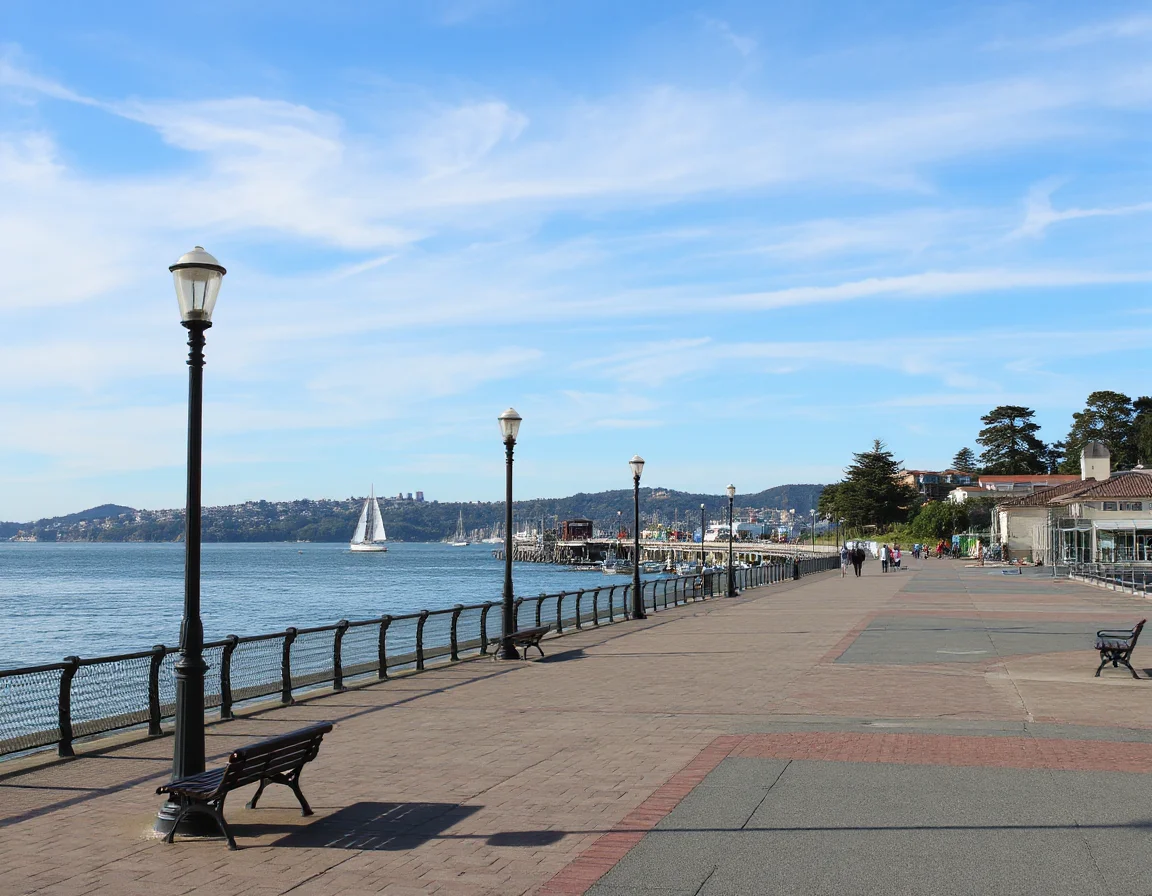
That convenience is a major part of the area’s appeal. Chestnut Street functions as a practical spine for everyday needs, while the shoreline adds a completely different dimension: open views, breezes off the bay, and access to places like Marina Green and Crissy Field. In a city where terrain and transit patterns can shape how a neighborhood feels, the flatter streets here can make movement more straightforward than in hillier districts.
There is also a visual consistency that many buyers notice right away. Low-rise buildings, period details, and broad streets give the neighborhood a polished, established look. Yet the experience is not identical on every block. Some homes lean into classic San Francisco charm with ornate facades and older interiors, while others offer updated kitchens, reworked floor plans, and more contemporary finishes.
In the Marina District, a few blocks can noticeably change the feel of a property search. Proximity to the waterfront, a busier commercial corridor, or a quieter interior street can affect price, noise levels, and daily convenience all at once.
The Bay View Premium Is Real
If bay views are high on your list, expect that priority to shape both inventory and budget. Even partial outlooks toward the water, the Golden Gate Bridge, or the Palace of Fine Arts area can command attention when listings hit the market. These view advantages are not always dramatic from every room; sometimes the premium is tied to a top-floor perspective, a shared roof deck, or a living room that captures a slice of open sky and water.
That is where the “math” becomes useful. A buyer may need to decide between more square footage on an interior block and less space with a stronger visual connection to the bay. Another common tradeoff is condition: an updated condo without a view versus an older unit in a stronger visual location. Neither option is universally better, but each points to a different daily experience.
Views also carry a value beyond resale language. Natural light, room orientation, and that sense of openness can change how a home lives. In dense urban settings, those details often matter more than raw square footage. For some buyers, seeing the bay from a window or stepping outside to a waterfront route every morning is worth giving up a guest room, a larger dining area, or an extra parking option.
Search Marina District listings
Walkability Has Everyday Value
Walkability is often discussed as a lifestyle perk, but in the Marina it can also be a time saver. Being able to pick up groceries, meet friends, reach fitness options, or get outdoors without a long commute creates flexibility that many city residents actively seek. It can make weekdays easier and weekends feel less scheduled.

The neighborhood’s access to recreation deserves equal weight in that equation. The Marina Green, Crissy Field, and waterfront paths support jogging, cycling, dog walks, and simple time outside with very little planning. In practical terms, that means recreation is built into the geography rather than treated as a separate destination across town.
Still, walkability is not the same as silence or privacy. Homes near the busiest corridors may experience more street activity, delivery traffic, and evening energy than properties set farther inside the neighborhood. Buyers who value convenience often accept that trade. Others may choose a slightly less central location to gain a calmer feel while remaining within easy reach of the same amenities.
Transportation access is another part of the calculation. Depending on where work, school, or frequent appointments are located, the Marina can feel either highly convenient or somewhat out of the way compared with neighborhoods with faster rail access. For many households, that simply means comparing the benefit of bayfront living and walkability against commute patterns they expect to maintain most often.
A walkable neighborhood does not remove transportation decisions; it just changes them. Many buyers find the biggest quality-of-life gain comes from shortening everyday errand trips, even if a regional commute still requires planning.
Housing Stock, Parking, and Practical Tradeoffs
The Marina District’s housing inventory is part of its charm and part of its complexity. You will find condominiums in smaller buildings, multi-unit properties with classic detailing, and single-family homes on select blocks. That range gives buyers multiple entry points, but it also means feature lists can differ sharply from one property to the next.
Parking is one of the clearest examples. Some homes include garage space or deeded parking, while others rely on street parking. For buyers with a vehicle, this can move from minor inconvenience to top-tier search filter very quickly. Storage, laundry configuration, elevator access, and outdoor space can also vary more than people expect, especially in older buildings.
Condition is another key variable. Renovated homes may offer cleaner layouts, newer systems, and turnkey appeal, while properties needing updates can provide a chance to prioritize location first and improvements later. In a neighborhood where style and setting already carry strong value, that choice often comes down to whether you want immediate ease or future customization.
How to Weigh the Tradeoffs Like a Local Buyer
The most useful way to evaluate the Marina District is to rank your non-negotiables before you fall in love with a listing photo. Start with the fundamentals: Do you care most about bay access, a quieter block, parking, larger rooms, updated finishes, or a view? Once those are in order, it becomes easier to judge whether a specific property is making a smart trade or asking too much compromise.
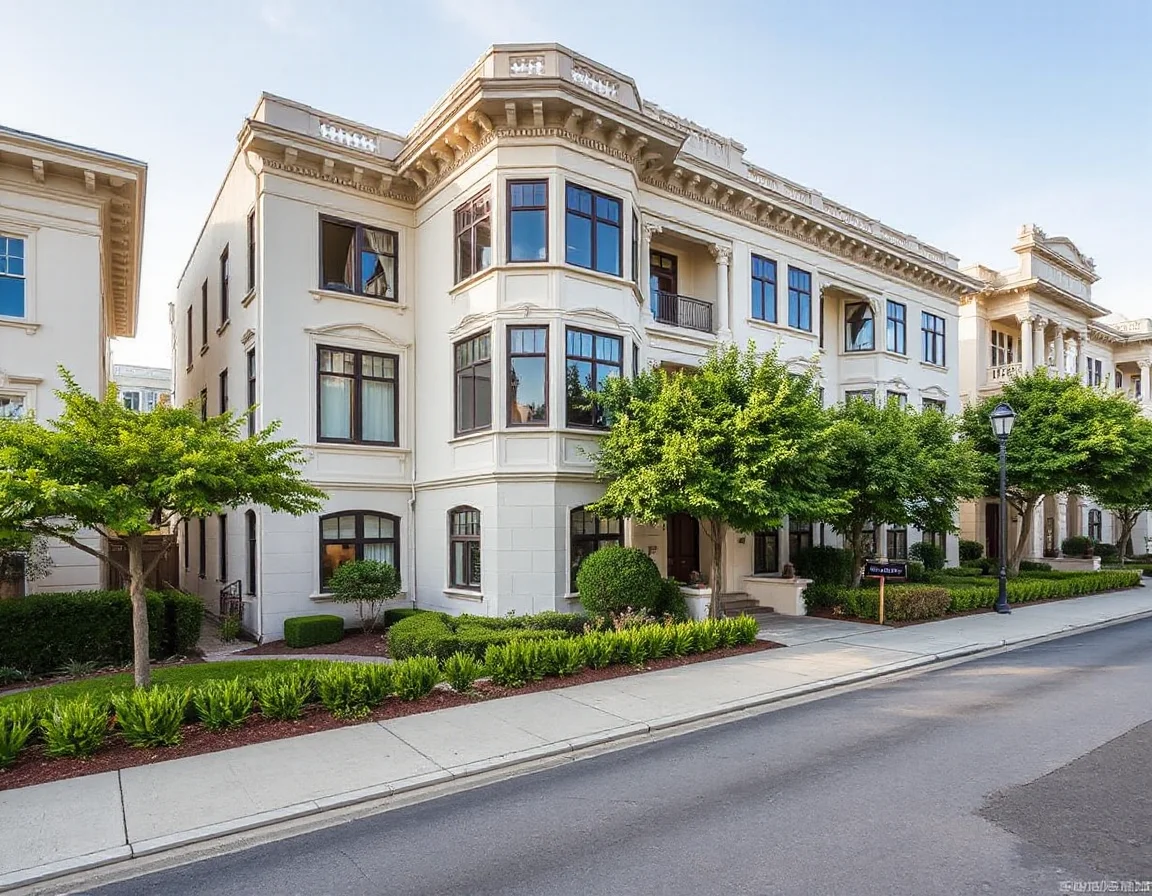
It also helps to visit at more than one time of day. Morning light, afternoon parking conditions, and evening street activity can all shift your impression. A block that feels serene on a weekday afternoon may carry a different energy on a weekend night, and a home that looks modest online may feel exceptional once you understand how close it sits to the waterfront or daily conveniences.
For buyers comparing the Marina with Pacific Heights, Nob Hill, or SoMa, the differences usually come down to atmosphere and use of space. The Marina often wins on waterfront recreation and flatter walkability. Other neighborhoods may offer stronger transit connections, higher elevations, denser urban intensity, or different housing formats. The right answer depends less on trend and more on how you want your week to function.
That is the real lifestyle math: not whether the Marina District is broadly appealing, but whether its mix of views, access, architecture, and practical constraints aligns with your version of city living. When those priorities match, the neighborhood can feel remarkably easy to enjoy every day.