
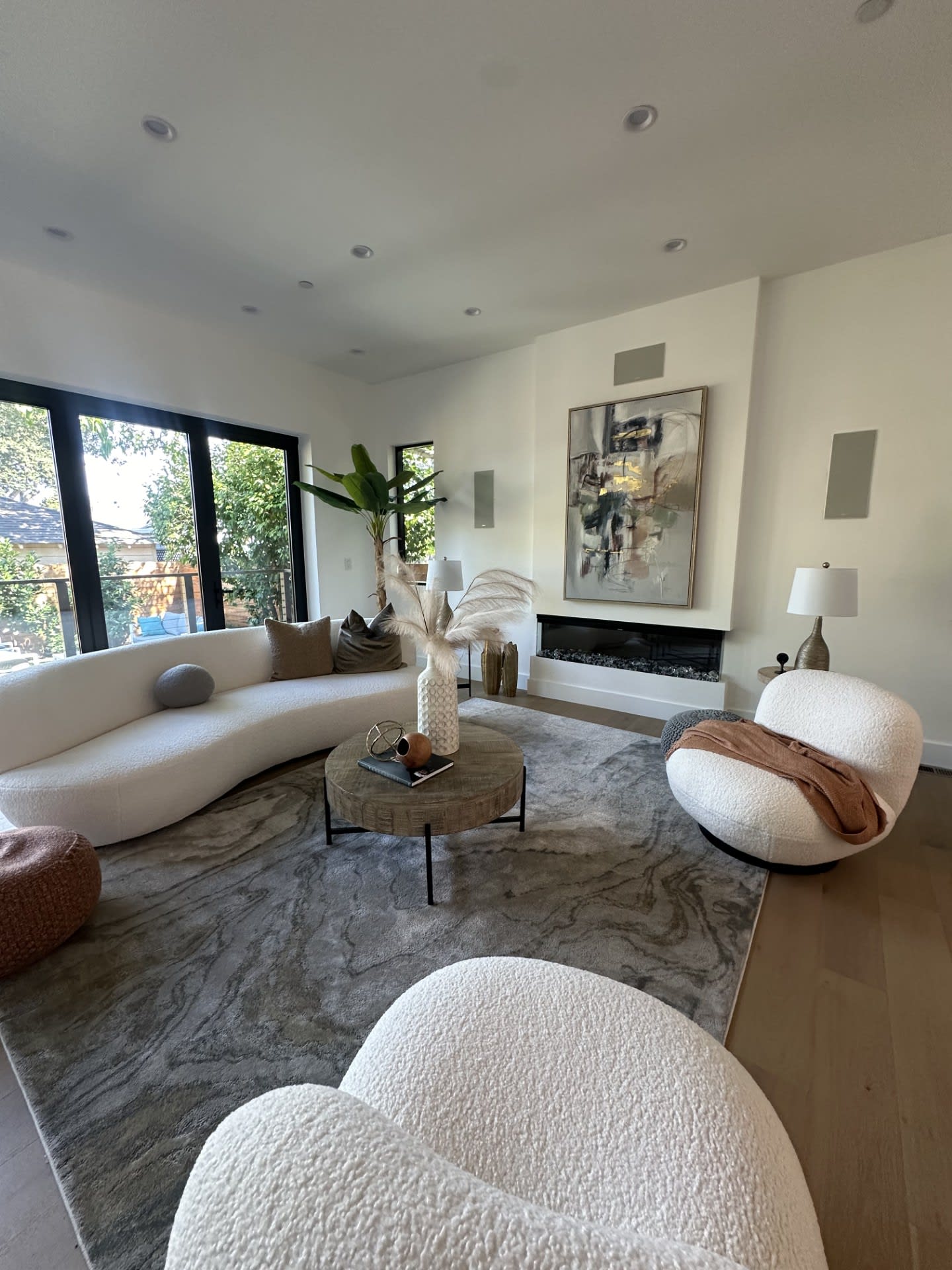
In Hillsborough, a larger lot can offer more than extra outdoor space: it can influence privacy, maintenance, renovation choices, long-term costs, and resale positioning. Buyers and sellers benefit from looking past the acreage number to understand usable land, local rules, and the work required to make a property function well over time.
Looking Beyond the Lot Size on Paper
Hillsborough is known for residential properties with substantial grounds, mature landscaping, and a setting that feels distinct from denser Peninsula neighborhoods. That appeal can be immediate, but a larger parcel is not a single feature with a single value. Two homes with similar lot measurements may live very differently depending on slope, access, drainage, tree coverage, setbacks, and where the home sits on the site.
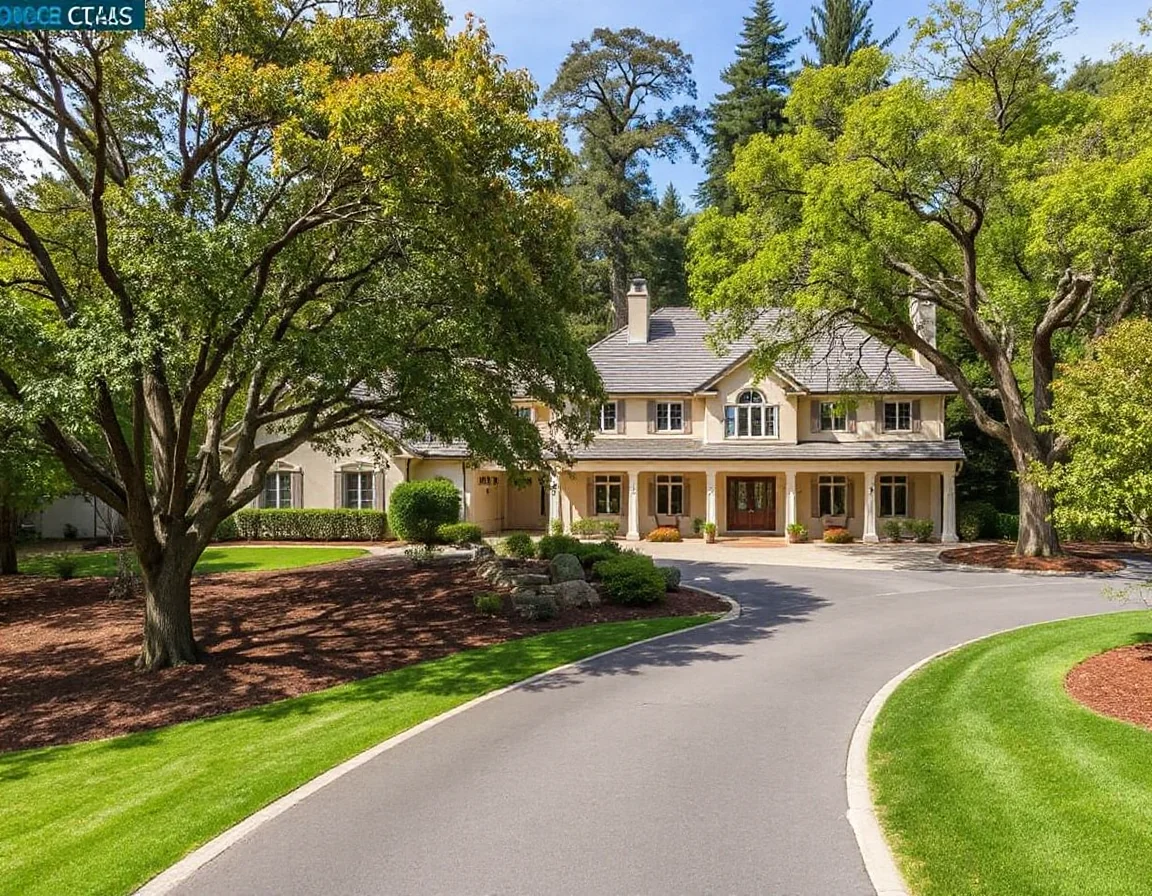
For buyers, the first question is often not “How large is the lot?” but “How can the land be used today?” A level rear yard, a terraced garden, a broad motor court, and a wooded hillside can all be compelling, yet each creates a different ownership experience. Walk the full parcel when possible, observe changes in grade, and note whether key areas are easy to reach from the house. A site can feel generous while still having only a portion that is readily usable for everyday outdoor living or future projects.
Access matters just as much. Long driveways, gated entries, narrow approaches, retaining walls, and elevated homesites may add visual character, but they can also affect routine upkeep and project planning. Consider where service vehicles can enter, how landscape equipment reaches different parts of the property, and whether drainage pathways are visible after rain. These practical details help turn a broad impression into a realistic ownership picture.
A larger lot should be evaluated in layers: usable outdoor areas, slopes and drainage, vegetation, access, and local development rules can matter as much as the square-foot figure on a listing.
For sellers, this is a reason to present the property with specificity. Rather than simply emphasizing acreage, identify the features that make the land functional and memorable: a sunlit terrace, established plantings, a pool setting, a detached structure, a garden path, or an inviting arrival sequence. Clear photography, a thoughtful site plan when available, and maintenance records can help purchasers understand the property’s strengths without having to guess.
Maintenance, Stewardship, and Ongoing Costs
A larger Hillsborough property commonly comes with a broader maintenance scope. Landscaping may include irrigation zones, specimen trees, hedges, paths, lighting, fences, drainage systems, and hardscape that need regular attention. The goal is not to treat this as a drawback; it is to make sure the expected level of care matches the buyer’s budget, schedule, and preferred approach to ownership.
Before making an offer, buyers can request available records for landscaping, irrigation, tree work, pest inspections, drainage improvements, pool equipment, and major exterior repairs. A property inspection is essential, but specialized review may also be worthwhile for features such as retaining walls, significant trees, wells or water systems where applicable, and complex site drainage. Understanding these components early allows buyers to plan for near-term projects rather than being surprised after closing.
Vegetation deserves particular attention in a tree-rich setting. Mature trees can provide beauty, shade, and a sense of established character, while also requiring pruning, monitoring, and occasional professional assessment. Ask about past tree work, irrigation patterns, and any visible signs of root movement near paving, foundations, or utility lines. The same careful review applies to hillsides, where erosion control and drainage can be especially important during wet weather.
For sellers, proactive preparation can make a meaningful difference. Tidying garden beds, repairing irrigation leaks, clearing debris from drainage areas, trimming overgrowth, and addressing deferred exterior maintenance can help a property feel cared for from the first showing. If recent work has been completed, organize invoices and permits where relevant. Purchasers tend to respond well when the story of a property’s stewardship is easy to follow.
Planning Changes on a Hillsborough Parcel
Larger lots can inspire ideas: refreshing an outdoor entertaining area, adding a pool, creating a garden retreat, updating a detached structure, or rethinking the relationship between house and landscape. In Hillsborough, however, any future plan should begin with due diligence rather than assumptions. Setbacks, zoning, easements, hillside conditions, tree protections, utility locations, and local review processes can shape what is feasible.
Buyers who are considering a renovation or addition should speak with qualified local professionals early in the process. A survey, preliminary discussion with an architect or contractor, and review of public records can help clarify the possibilities. This is especially helpful before assigning a major portion of the purchase decision to a project that may require substantial approvals, engineering, or site work.
It is also useful to separate cosmetic opportunity from structural opportunity. Replacing plantings or updating a patio may be a very different undertaking than expanding a footprint, building on a slope, relocating a driveway, or changing drainage. A property can still offer excellent potential even if certain ideas are not practical; the key is establishing a plan that reflects the site as it actually exists.
For sellers, transparency is often the best approach when discussing possibilities. Share known surveys, reports, permits, plans, and information about completed improvements, but avoid promising outcomes that have not been verified. Present the current property beautifully, explain its documented features, and allow prospective buyers to conduct their own review of future options.
How Larger Lots Can Shape Market Position
In a market like Hillsborough, land can be a significant part of a property’s value story, but it is only one part. Location within the town, condition of the residence, architectural quality, views, privacy, access, improvements, and overall site usability all contribute to how a home is perceived. A large but challenging parcel may appeal differently than a smaller, highly polished and level property with a cohesive indoor-outdoor layout.
Buyers can make stronger decisions by comparing properties feature by feature instead of relying solely on lot size. Note the condition of the house, the quality of exterior improvements, the amount of level space, the orientation of primary rooms, the ease of parking, and the likely maintenance demands. This approach creates a more useful comparison than a simple price-per-square-foot calculation.
Sellers can take the same principle and turn it into a marketing advantage. Highlight the details that distinguish the site: a landscaped approach, a private garden setting, broad terrace areas, a pool patio, mature trees, or flexible outdoor zones. A well-prepared listing helps purchasers see both the present enjoyment and the practical value of the land.
If you are weighing a move, renovation, sale, or life transition involving a Hillsborough property, thoughtful preparation can make the process more manageable. Kathy Chan can help you evaluate the market context, organize next steps, and focus on the details that matter most for your real estate decision.