

Transit access can be an important part of how buyers evaluate a Millbrae home, but the impact is rarely as simple as being “close to the station.” Access to BART, Caltrain, SamTrans routes, Highway 101, and San Francisco International Airport can shape convenience, daily routines, and buyer demand—while location within the neighborhood, sound, parking, and home condition all remain part of the equation.
Why Transit Is Part of the Millbrae Value Conversation
In Millbrae, transportation is more than a map feature. The city’s position on the Peninsula, combined with access to the Millbrae Transit Center, places BART and Caltrain connections within reach of many local homes. For buyers comparing properties across San Mateo County, that access can add a meaningful layer of convenience: options for reaching San Francisco, the South Bay, San Francisco International Airport, and other Peninsula destinations without relying exclusively on a car.

That does not mean every home near transit is valued the same way. Buyers often weigh the practical benefit of a shorter trip against the specifics of the block: elevation, street activity, parking patterns, outdoor space, views, and potential rail or roadway noise. A property a short drive from the station may appeal just as strongly as one within walking distance when it offers a different balance of features.
Convenience creates a broader buyer conversation. A home with multiple transportation options can be relevant to people with varied work schedules, travel habits, and lifestyle priorities. Some buyers value a direct rail connection; others focus on quick airport access or the flexibility to use local bus service. When a listing clearly explains these practical options, it helps prospective buyers understand how the location may function in day-to-day life.
Millbrae’s transit connections also place the city within a larger regional network. Caltrain service links the Peninsula with San Francisco and Silicon Valley destinations, while BART extends the range of rail travel throughout the Bay Area. This connectivity is a location feature, much like proximity to parks, grocery options, or major employment centers—but it should be presented accurately rather than as a blanket promise about future appreciation.
For a Millbrae listing, the most useful transit detail is often a realistic one: approximate travel options, nearby stations, parking considerations, and the routes a buyer can verify for their own schedule.
Distance Matters, but So Does the Experience of Getting There
A property’s distance from the Millbrae Transit Center can influence buyer interest, yet the route between home and station matters nearly as much as the mileage. Sidewalks, hills, crossings, lighting, access to bus stops, and the availability of parking can all affect how a buyer experiences that trip. Two homes described as equally close on a map may feel very different when viewed in person.
Walkability is also only one part of accessibility. Some buyers prefer an easy drive to transit with room to store vehicles at home. Others may prioritize a location served by nearby SamTrans routes. Still others may focus on connection times to the airport or the ability to reach San Francisco without crossing a bridge. A thoughtful market analysis considers which transportation features are present and how they compare with recent competing listings.
For sellers, this means that transit should be incorporated into the property story with context. Rather than relying on a broad phrase such as “near transportation,” strong marketing can identify the nearby BART and Caltrain options, note major roadway access where relevant, and acknowledge the features that make the home itself distinctive. Buyers are making a complete comparison, not evaluating a station location in isolation.
There can be tradeoffs as well. Homes immediately adjacent to rail corridors, busy intersections, or heavily traveled approach roads may require more careful positioning. Window upgrades, landscaping, orientation of outdoor areas, interior quiet, and site design can influence how the property is perceived. These details do not automatically reduce or increase value; they help define the specific buyer experience and should be reflected in pricing and presentation.
Request a Millbrae home valuation
Comparing Homes Near BART, Caltrain, and Key Roadways
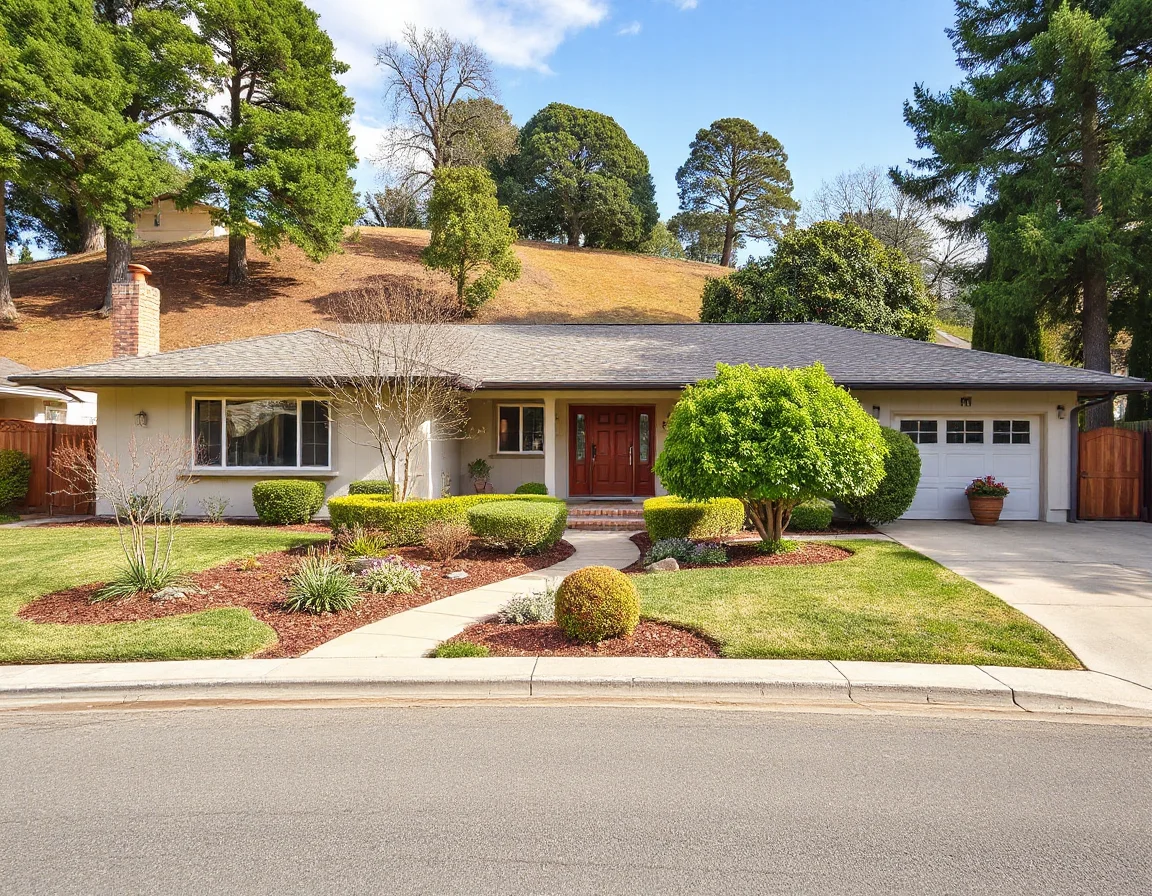
When reviewing comparable sales in Millbrae, it is helpful to look beyond a simple radius around a station. Similar square footage and bedroom count are important, but so are lot configuration, condition, renovation level, views, usable outdoor areas, and micro-location. A home near El Camino Real may offer immediate access to services and transit, while a home higher in the hills may offer a different setting and a different commute pattern. Both can attract interest for distinct reasons.
Airport proximity adds another local consideration. San Francisco International Airport is a short distance from Millbrae, and that can be useful for frequent travelers or those who value quick access to regional transportation. At the same time, flight paths and ambient sound can vary significantly by neighborhood, weather conditions, and the design of a particular home. Buyers should visit at different times when possible and investigate the setting that matters most to them.
The same principle applies to Highway 101 and Interstate 280 access. Being able to enter a major route efficiently can be a practical advantage, but a home’s relationship to the roadway is highly site-specific. A useful valuation looks at whether comparable properties share similar exposure, whether they have comparable buffering or landscaping, and how the market responded when they were offered for sale.
Market conditions also change the weight buyers place on transit. During periods when commuting patterns are evolving, some buyers may place a premium on flexibility rather than a single direct route. In other periods, access to a specific rail line may receive more attention. This is why a current local analysis is more valuable than relying on an old rule of thumb about “minutes to transit.”
The strongest comparison set is not simply the closest group of recent sales—it is the group of homes that offers a similar combination of condition, setting, transportation access, and day-to-day usability.
How Sellers Can Present Transit Access Thoughtfully
For a seller, the goal is to make useful location information easy to understand. A property brochure or online listing can mention the Millbrae Transit Center, nearby BART and Caltrain connections, local bus routes, and major road access without overstating commute times or making assumptions about a buyer’s needs. Clear, factual details encourage informed conversations during showings and help buyers compare the home with confidence.
Presentation matters too. If a home benefits from convenient access while retaining a calm interior setting, photography and showing preparation can help demonstrate both qualities. If outdoor areas are a highlight, make them easy to experience. If windows, insulation, or landscaping improve comfort near a transportation corridor, those upgrades should be documented and explained. Thoughtful preparation helps buyers see the whole property rather than focusing on one map pin.
Pricing should ultimately reflect the home’s complete competitive position. Transit access may support demand, but it does not replace careful evaluation of condition, location, recent sales, active inventory, and buyer feedback. A local strategy can identify the property’s most compelling advantages while addressing questions buyers are likely to have before they become objections.
A Location Feature Worth Evaluating in Full
Millbrae’s transportation network is one of the city’s most recognizable assets, offering regional rail connections, airport access, local routes, and Peninsula roadway options. For home buyers, it is worth considering how each property fits their own travel patterns and how the immediate surroundings feel at different times of day. For sellers, it is an opportunity to tell a practical, accurate story about location alongside the home’s design, condition, and setting.
Whether you are planning a purchase, preparing a sale, navigating a life transition, or evaluating an investment decision, the best real estate choices start with details. A careful review of Millbrae transit access—paired with current comparable sales and an in-person understanding of the property—can turn a broad location advantage into a clearer, more useful value conversation.