

Hillsborough combines substantial residential properties, mature landscaping, and a Peninsula location that can make daily travel feel more connected than its hillside setting suggests. Whether you are comparing architectural styles, looking for outdoor spaces, or mapping a commute, the best decisions start with a clear view of how the town fits your actual routine.
A Residential Setting Shaped by Land and Architecture
Hillsborough is known for its predominantly residential character, winding roads, and homes set on landscaped parcels throughout the San Francisco Peninsula. Rather than a concentrated commercial core, the town’s experience is shaped by its terrain, tree canopy, and varied streetscapes. A drive through the area can reveal traditional estates, mid-century residences, contemporary renovations, and properties whose design responds directly to sloped lots, views, and established gardens.
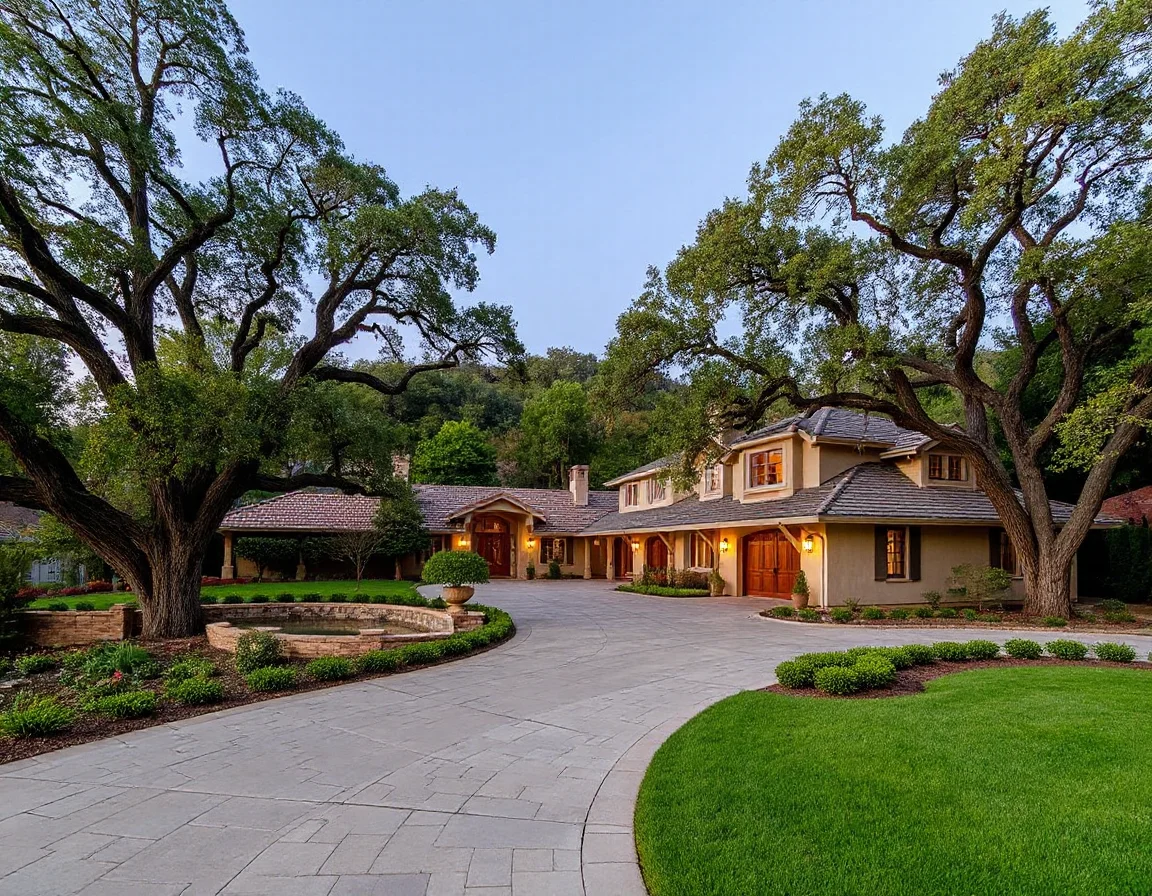
That variety is one reason a Hillsborough home search benefits from looking beyond bedroom and bathroom counts. Lot configuration, elevation, access, sunlight, outdoor living areas, and the relationship between the main residence and any auxiliary spaces can all affect how a property functions day to day. Older homes may offer craftsmanship and generous room proportions, while updated properties may emphasize open interiors, energy improvements, and a more seamless connection to patios or gardens.
Many properties have a sense of separation from the street because of long driveways, planting, topography, or setbacks. Those features can be appealing, but they also make practical due diligence especially important. Buyers may want to review drainage, retaining walls, roof condition, tree care, utility systems, permit history, insurance considerations, and any planned improvements early in the process. A thoughtful inspection strategy helps turn the visual appeal of an estate setting into an informed ownership decision.
In Hillsborough, two homes with similar interior square footage can offer very different experiences because lot slope, driveway access, outdoor areas, and renovation history often matter just as much as the floor plan.
For sellers, presentation should reflect the full property rather than only the interior. Landscape maintenance, exterior lighting, clear access paths, and photography scheduled for favorable natural light can help prospective buyers understand the home’s setting. When a property includes distinctive architectural details or grounds that have developed over many years, a marketing plan should make those elements easy to see and easy to evaluate.
Parks, Open Space, and Peninsula Recreation
Although Hillsborough is primarily residential, outdoor time is close at hand through local green spaces and nearby Peninsula destinations. Town parks and neighborhood open areas provide places to pause, walk, or enjoy the seasonal changes in the landscape. Beyond town boundaries, the broader San Mateo County area offers a broad network of trails, reservoirs, shoreline paths, and regional parks that can expand weekend and weekday recreation options.
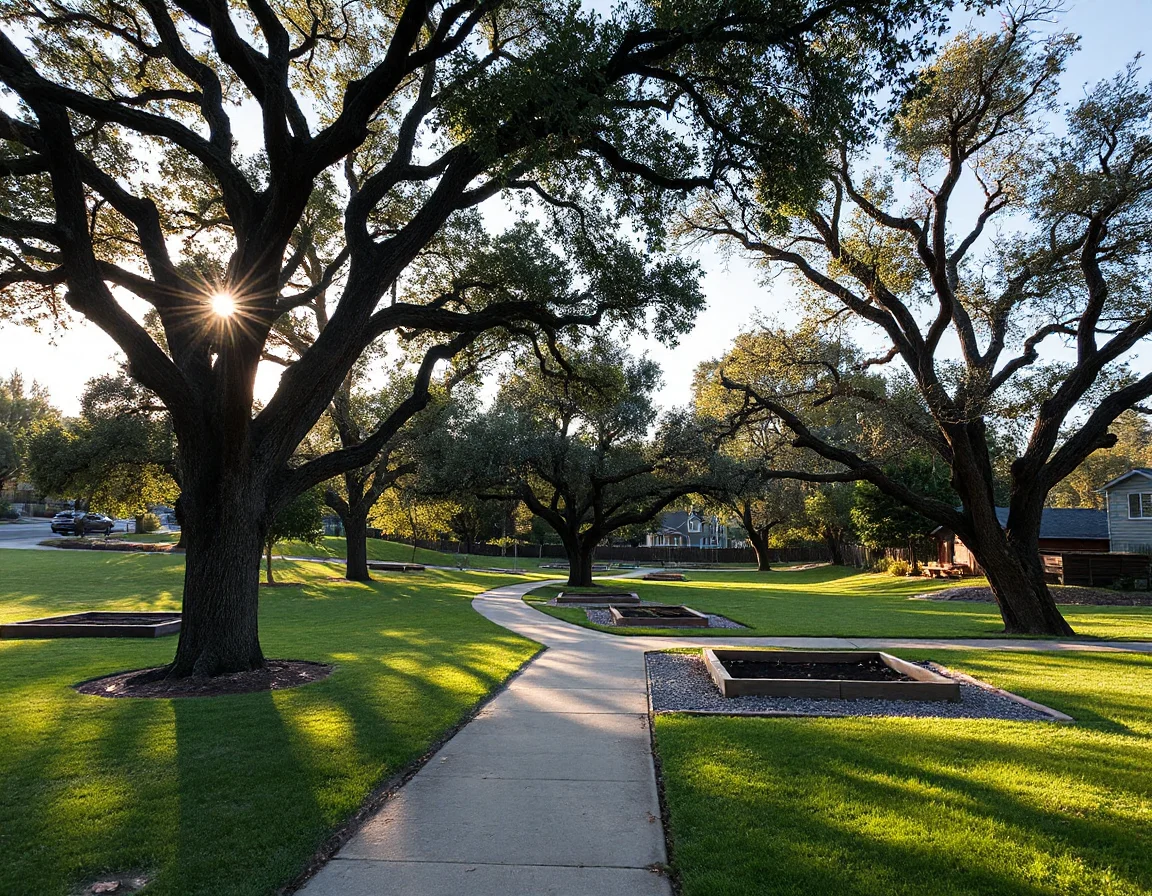
Nearby destinations such as the Sawyer Camp Trail, Crystal Springs Reservoir area, and Bayfront paths offer different ways to experience the Peninsula’s geography. Some routes are suited to walking and cycling, while others are better for a quieter scenic outing. Conditions, operating hours, parking rules, and trail access can change, so checking current information before heading out is worthwhile—particularly during wet weather, maintenance periods, or high-fire-risk conditions.
The town’s central location also places Burlingame and San Mateo amenities within a short drive, depending on the starting point and traffic conditions. Dining, cultural programming, groceries, services, and waterfront recreation are part of the larger local landscape, even though Hillsborough itself retains a less commercial rhythm. This combination can be useful for people who value residential surroundings while also wanting practical access to Peninsula destinations.
Outdoor spaces can also shape how a home is evaluated. A level lawn, hillside garden, terrace, pool area, or shaded courtyard may be used differently across the year. During showings, it helps to notice sun exposure, privacy created by landscaping, irrigation needs, drainage patterns, and how the home opens to exterior areas. These details are often easier to assess in person than through listing photographs alone.
Planning a Commute From Hillsborough
Commute planning is a central part of comparing homes in Hillsborough. The town sits between key Peninsula corridors, including U.S. 101 and Interstate 280, while nearby Burlingame and Millbrae provide access to Caltrain and BART connections. Actual travel times vary substantially by neighborhood, departure hour, traffic patterns, and the final destination, so a route that appears simple on a map should be tested against the times that matter most to you.
For rail travel, the choice of station can affect the routine as much as the train schedule itself. Parking availability, station access, transfers, train frequency, and the timing of the last leg from station to destination should all be considered. Those traveling to San Francisco, Silicon Valley, the East Bay, or San Francisco International Airport may have different preferred routes, and a home’s location within Hillsborough can influence which option feels most efficient.
Driving requires the same practical approach. Hillsborough’s curving residential roads can add time before reaching a highway, and commute conditions can change from one day to the next. Before making an offer, consider completing a real-world test: leave from the property during a typical morning or evening travel window, identify alternate routes, and account for parking or transit connections at the destination. This exercise can be more revealing than a single app estimate.
Location is not only about distance. It is about the sequence of a day: getting from the driveway to a major route, reaching a train platform, returning after an evening commitment, and fitting errands into the route. A clear commute plan can help buyers compare properties with greater confidence and avoid overvaluing a location based solely on mileage.
Making a Clear-Eyed Hillsborough Home Decision
Hillsborough real estate rewards careful comparison. Inventory can include homes with distinct architectural eras, renovation levels, parcel sizes, and views, which means broad market averages may not tell the full story of any particular property. Recent sales are useful reference points, but the strongest analysis considers condition, location within town, usable outdoor space, construction quality, and the scope of future work that may be needed.
For buyers navigating a major life event, a methodical process can bring welcome clarity. Start with nonnegotiable needs, then separate them from preferences that may change once you see properties in person. Evaluate financing and ownership costs alongside the purchase price, including maintenance planning for larger grounds or older systems. A well-defined search can make it easier to recognize when a property’s setting, layout, and access align with your goals.
Sellers can benefit from the same level of preparation. Understanding the home’s condition, gathering records, completing strategic repairs, and pricing from a current local perspective can help create a more organized launch. The goal is not to erase every sign of age or character; it is to present the property accurately, attractively, and with enough information for prospective buyers to evaluate it responsibly.
From its established residential streets to its access to Peninsula parks, transit, and regional routes, Hillsborough offers a setting with many layers to consider. The right next step is to explore at a comfortable pace, compare the practical details alongside the visual appeal, and use current property information to make a decision that supports both your immediate plans and the way you expect to use the home over time.