
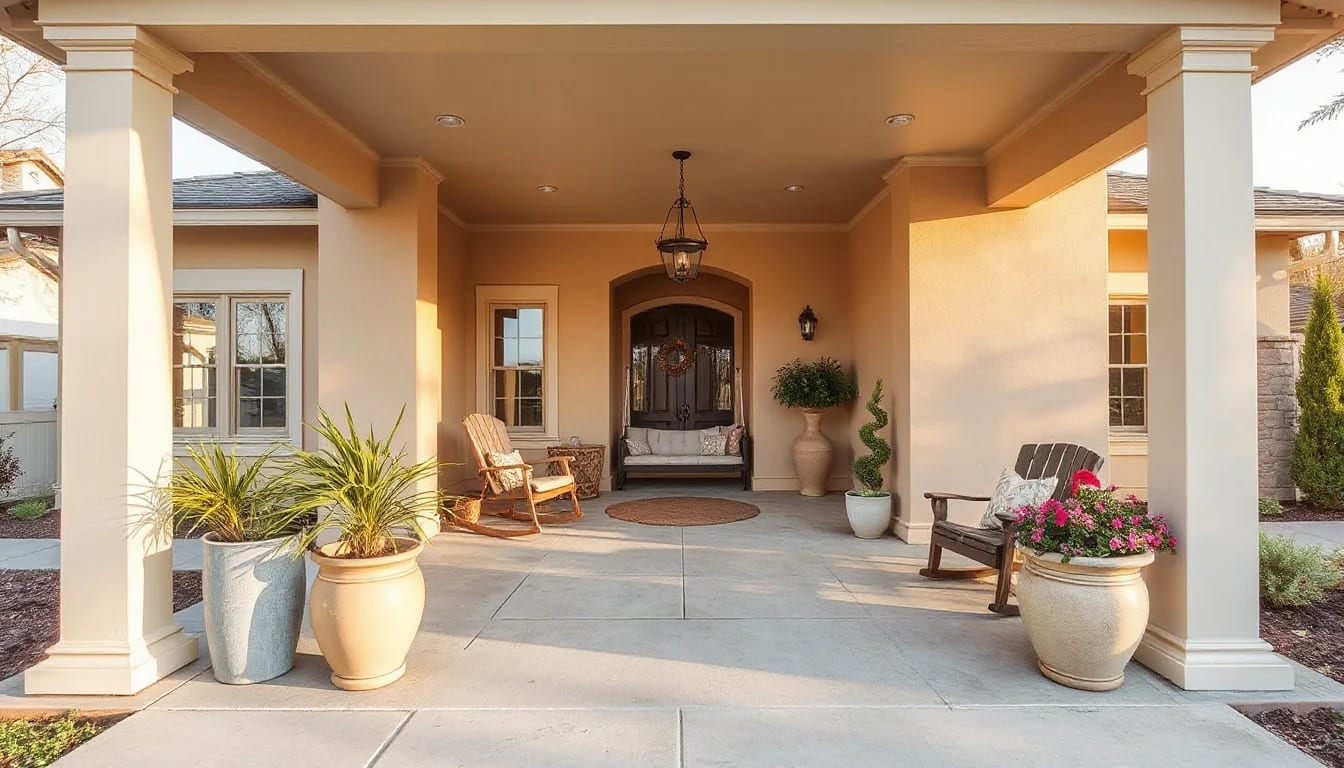
A Hillsborough purchase is about more than the offer price. Reviewing appreciation drivers, financing assumptions, property taxes, insurance, maintenance, and renovation reserves before you write an offer can help you compare homes with much greater clarity. The right analysis turns a beautiful property into a well-informed long-term decision.
Start With the Full Cost of Ownership
Hillsborough is known for substantial residential properties, mature landscaping, and a limited supply of homes, but evaluating a purchase requires looking beyond the listing price. A home’s monthly and annual carrying costs can vary meaningfully from one property to the next, even when two homes appear similar in size or location. Before setting a budget, it helps to separate the one-time acquisition costs from the expenses that continue long after closing.
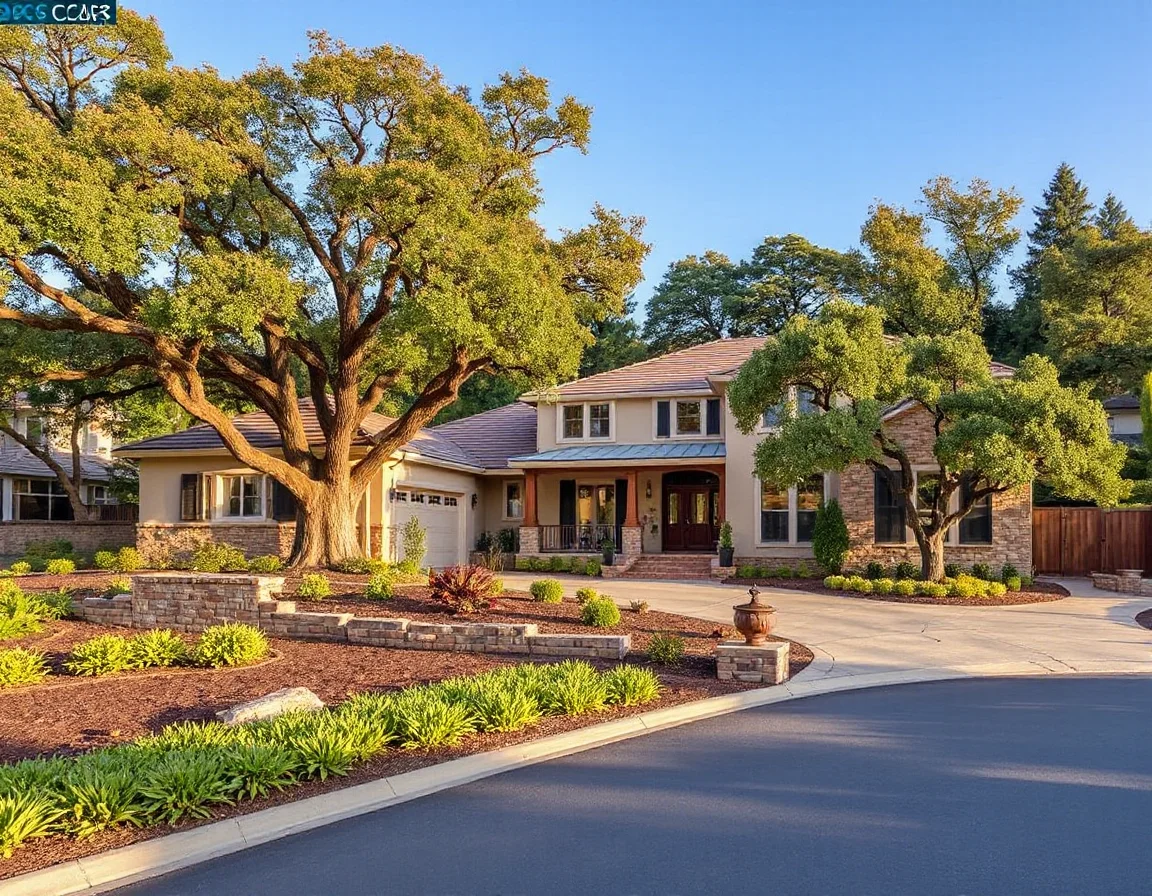
Upfront costs generally include the down payment, lender fees, title and escrow charges, inspections, appraisal expenses, and any immediate work needed before moving in. For a property with acreage, a pool, extensive hardscape, or an older roof, specialized inspections may be worthwhile. Sewer laterals, drainage systems, retaining walls, tree conditions, electrical panels, and foundation components can all influence the first-year budget.
Then come the recurring expenses: principal and interest, property taxes, homeowner’s insurance, utilities, landscaping, pool service where applicable, routine repairs, and long-term capital replacements. It is useful to model these costs in annual totals as well as monthly payments. A modest increase in insurance, an aging HVAC system, or a large landscape maintenance contract can change the practical cost of ownership without changing the purchase price.
A useful comparison tool is a property-by-property carrying-cost worksheet. Include tax estimates, insurance quotes, utilities, maintenance, and a reserve for future repairs instead of relying on a single monthly mortgage figure.
Property taxes deserve careful attention. California’s property-tax framework means a purchase can reset the assessed value for the acquired home, and supplemental tax bills may arrive after closing. Buyers should ask their tax adviser, lender, or escrow team to explain anticipated timing and amounts based on the proposed purchase price. It is also wise to review whether a property has assessments, parcel-specific charges, or exemptions that may not transfer in the way a buyer expects.
How to Think About Appreciation in Hillsborough
Appreciation is never guaranteed, and no one can reliably predict the next market cycle. Still, buyers can examine the factors that have historically supported demand and value resilience in a particular location. In Hillsborough, those factors often include limited residential inventory, substantial lot sizes, architectural variety, privacy created by mature landscaping, and access to regional employment centers and transportation corridors across the Peninsula.
Rather than treating appreciation as a promise, consider it a research question: what makes this particular property competitive over time? The answer may be its setting, usable outdoor areas, floor plan, condition, light, parking, renovation quality, or the flexibility of its spaces. A property with clear strengths and fewer difficult-to-change limitations can be easier to position when it is time to sell.
Comparable sales are the starting point, not the entire answer. Look at recent closed transactions, pending sales when available, current competition, days on market, price adjustments, and the condition of each comparable. A remodeled home and an original-condition home may share a street, but they can attract very different buyer response. Likewise, a large lot is not automatically equivalent to another large lot; topography, access, usable area, drainage, and tree coverage matter.
For a longer ownership horizon, it can help to assess the home’s adaptability. Can a workspace, guest area, recreation room, or storage area serve multiple purposes? Are the major systems recently updated? Is the outdoor space manageable at the level of maintenance you intend to fund? These practical questions are often more valuable than trying to forecast a precise future sale price.
The strongest appreciation analysis combines market data with property-specific due diligence. Two homes at similar prices can have very different future costs, renovation needs, and resale stories.
Interest rates also affect the market environment. Higher rates can alter purchasing power and buyer behavior, while lower rates can broaden the pool of purchasers able to compete. That does not mean every home moves in the same direction at the same pace. Properties that are well prepared, accurately priced, and distinctive in condition or setting may perform differently from homes that need substantial updating or carry difficult inspection findings.
Build a Reserve for Maintenance and Improvements
Homes in Hillsborough can offer remarkable architecture and outdoor settings, and those features benefit from proactive care. Maintenance is not merely an expense category; it protects the condition, functionality, and eventual marketability of the property. A thoughtful buyer budgets for both predictable services and the less predictable projects that appear over time.
Start by reviewing inspection reports carefully and sorting findings into three groups: immediate safety or water-intrusion concerns, items to address in the next one to three years, and longer-term replacements. Roofs, drainage, exterior paint, decks, windows, heating and cooling systems, electrical upgrades, and irrigation infrastructure are common planning categories. If a property includes a pool, extensive masonry, slopes, or mature trees, include qualified professionals in the review process where appropriate.
Renovation planning should also include time, permits, design decisions, and contingency funds—not just construction estimates. Even a cosmetic refresh can uncover additional needs once work begins. If the home is intended to be updated gradually, prioritize improvements that protect the structure first, then focus on projects that improve daily function and visual appeal.
A well-run reserve can reduce decision pressure when repairs arise. Some buyers prefer to maintain a separate property account, funded monthly, for routine maintenance and future capital items. Others create a five- or ten-year schedule based on inspection findings and contractor input. Either approach can make ownership expenses more visible and less disruptive.
Compare Homes With a Decision Framework
When several Hillsborough homes are under consideration, emotion and urgency can make comparisons difficult. A simple framework can bring the decision back to the facts. For each candidate, list the purchase price, estimated closing costs, financing terms, tax estimate, insurance, utility assumptions, landscape and service expenses, near-term repairs, and anticipated improvements. Then add nonfinancial factors such as layout, natural light, outdoor usability, privacy, access, and renovation potential.
It can also be helpful to test more than one scenario. What happens if the rate changes before lock? What if an inspection identifies a repair that needs prompt attention? What if a planned renovation costs more or takes longer than expected? Scenario planning is not pessimistic; it is a way to understand the range of outcomes before making a commitment.
For buyers making a move during a life transition, the timing and financial structure of the purchase may be as important as the home itself. A clear plan for proceeds, financing, contingencies, possession dates, and post-closing work can keep the process grounded. The goal is not to find a flawless property, but to identify a home whose advantages, costs, and future possibilities align with your priorities.
Make the Purchase Decision With Clear Eyes
Buying in Hillsborough can be an opportunity to invest in a distinctive Peninsula property, but the best decisions are made with both appreciation potential and carrying costs in view. Review the details behind the list price, study comparable properties with care, and give maintenance planning the same attention as finishes and square footage. With a realistic budget, thorough due diligence, and a long-term perspective, you can evaluate each home on what it offers today and what it may require over the years ahead.