
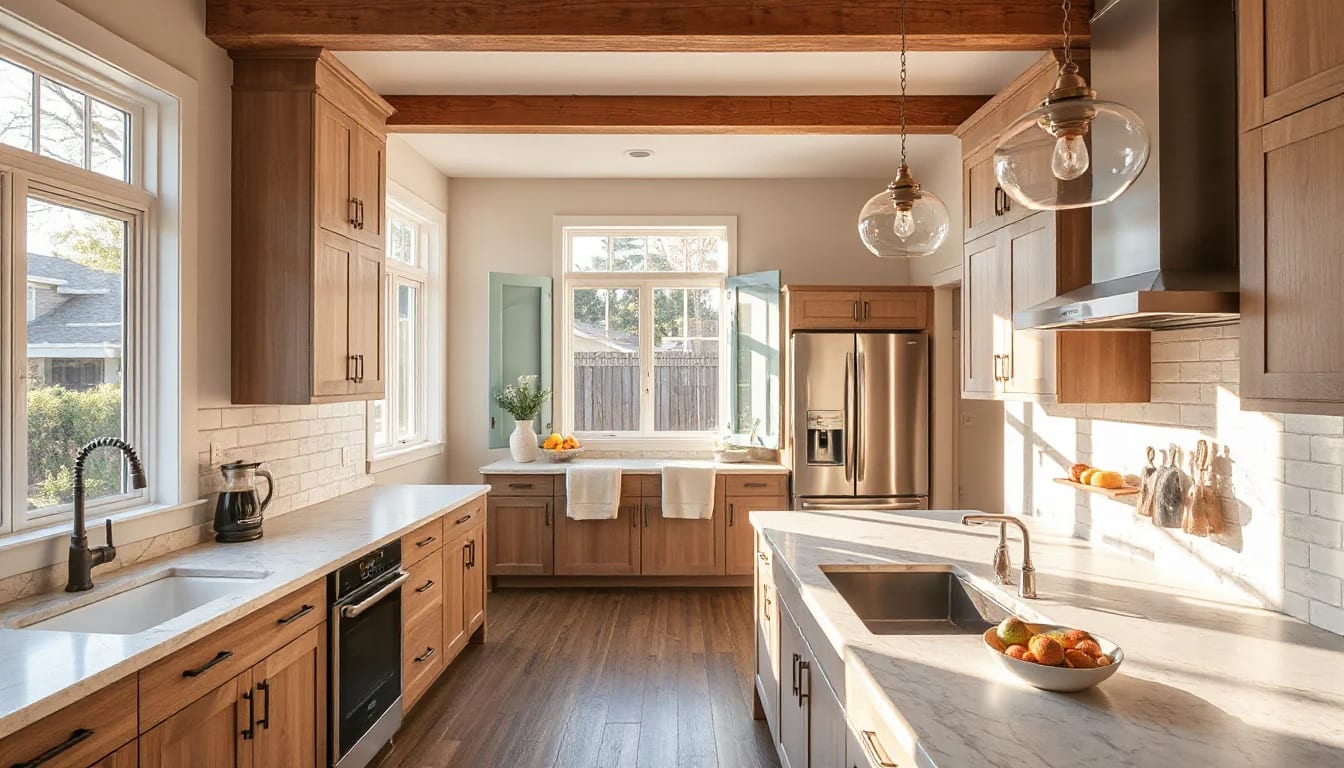
A thoughtful exterior refresh can help a Redwood City property make a stronger first impression before anyone opens the front door. The most effective projects are not always the largest: a polished entry, healthy landscaping, updated lighting, and well-maintained surfaces can support marketability while keeping the budget focused on visible priorities. The key is choosing improvements that fit the home’s architecture, condition, and likely buyer expectations at the time of listing.
Start With the View From the Street
In real estate, curb appeal begins well before a visitor reaches the porch. It is the accumulated impression of the front elevation, driveway, landscape edges, roofline, windows, paint condition, and entry path. In Redwood City, where architectural styles range from classic bungalows and mid-century homes to newer contemporary construction, the goal is usually not to make every property look the same. It is to make the home look intentional, cared for, and consistent with its setting.
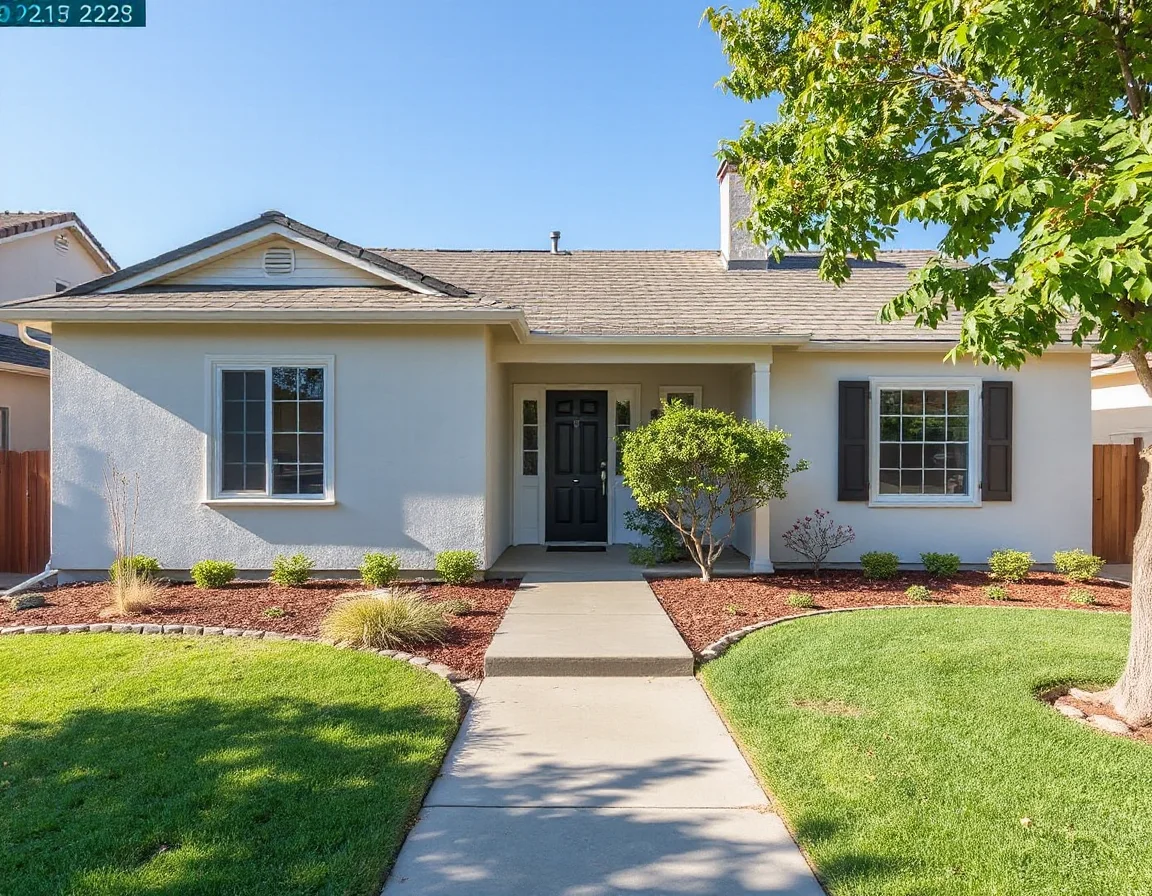
Begin with a practical sidewalk-to-door review. Stand across the street, then walk toward the entrance slowly. Note what draws the eye first and what interrupts the view: peeling paint, overgrown shrubs, uneven planters, a faded mailbox, visible bins, worn address numbers, or a front door that blends into the façade. A pre-listing exterior plan often works best when it addresses the few elements that are most noticeable rather than attempting a complete redesign.
Maintenance is a high-value starting point because it reassures visitors that the property has received ongoing attention. Clearing gutters, washing windows, repairing loose trim, replacing cracked exterior fixtures, pressure-washing hardscape, and touching up paint can create a more finished presentation. These tasks may not be dramatic individually, but together they reduce visual distractions and let the home’s layout and architectural features take center stage.
Before choosing decorative upgrades, resolve visible maintenance items first. Buyers can interpret a small exterior issue as a signal to look more closely for deferred work elsewhere.
Color deserves a deliberate approach. A fresh coat of paint can be transformative, but the strongest palette is generally one that complements the roof, stonework, brick, or surrounding landscape. Soft neutrals with a more defined front-door color are often adaptable choices, while a carefully restored original palette can be especially effective on homes with period details. Paint condition, preparation, and consistency matter as much as the color itself; clean lines around fascia boards, trim, and the porch read clearly in listing photography and in person.
Create an Entry That Feels Easy to Approach
The entry is a natural focal point because it gives visitors a moment to pause and take in the home. It also appears frequently in marketing photos. A front door in sound condition, current house numbers, a clean doorbell, and coordinated lighting can help this small area feel composed without requiring a major construction project.
Consider the practical experience of arriving after sunset as well as during a daytime showing. Path lights, a porch fixture, and lighting near the address can improve visibility while giving the front elevation more depth. Select fixtures that suit the home’s scale and style; oversized lighting can overwhelm a modest façade, while tiny fixtures can disappear against a large entry. Warm, even illumination tends to photograph well and can highlight landscaping or architectural texture without creating harsh glare.
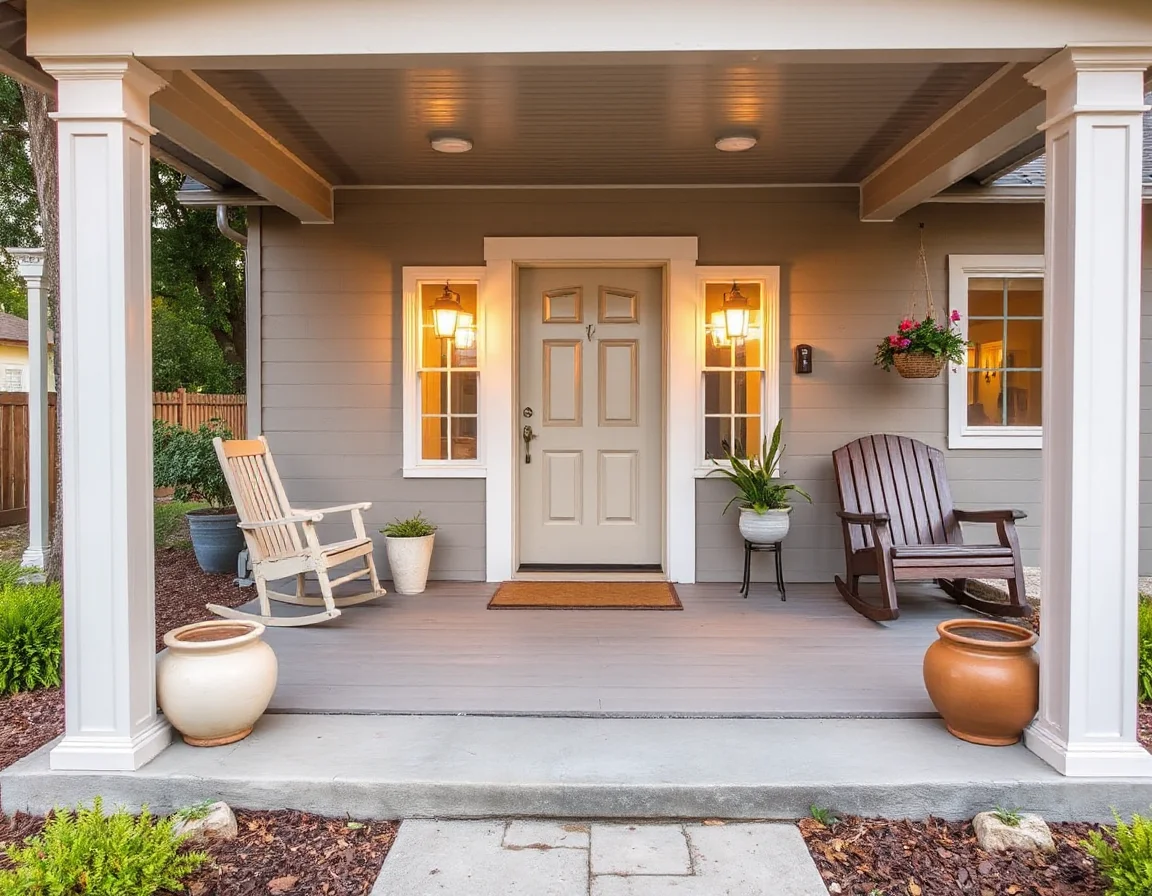
Simple staging can support the entry without making it feel crowded. A pair of planters, a tidy doormat, a bench where space allows, or a restrained seasonal arrangement can establish a welcoming note. Avoid blocking the pathway or adding too many small accessories. The entry should still feel functional, with a clear route from the curb to the door and room for visitors to move comfortably.
Hardware is another relatively contained update with an outsized visual effect. A coordinated handle set, kick plate, lock, mailbox, and address numbers can make an older entry feel refreshed. If the door itself is sound but dated, refinishing it or adding a carefully selected paint color may be more cost-effective than replacement. If replacement is necessary, prioritize durability, weather performance, and a style that belongs with the rest of the exterior.
Curb appeal is most persuasive when it feels consistent. The lighting, landscaping, paint, hardware, and entry details should support one another rather than competing for attention.
For homes with gates, side yards, or detached garages visible from the front, include those elements in the preparation plan. Straightening a gate, hiding garden tools, refreshing a garage door, and trimming plants away from walkways can improve the overall presentation. These details help the exterior appear complete from multiple angles, which matters when prospective buyers review photos, drive by, or tour the property.
Use Landscaping to Frame, Not Hide, the Home
Landscaping can be one of the most visible ways to update an exterior, particularly when it frames the house rather than obscuring it. Redwood City’s climate often supports low-water plant choices, layered greenery, flowering accents, and textured materials that can look polished throughout much of the year. The most successful front-yard plan is typically easy to maintain, proportionate to the lot, and designed to keep windows, walkways, and the front door visible.
Start by editing rather than adding. Remove dead or overgrown plant material, prune trees away from the roof and windows, define planting beds, and refresh mulch or gravel where appropriate. Then consider whether a few larger plant groupings would look stronger than many scattered pots or small shrubs. Repetition in color, texture, or planter material can give the yard a calm, organized appearance.
Water-conscious landscaping can be both practical and visually appealing. Gravel, decomposed granite, native or climate-appropriate planting, drip irrigation, and permeable paths may help reduce ongoing upkeep while creating a tailored look. For any substantial work, verify local requirements, utility locations, drainage considerations, and whether permits are needed. A landscape professional can also help evaluate mature trees, irrigation issues, or grade changes that are beyond a basic refresh.
Hardscape deserves attention as well. Cracked walkways, loose pavers, stained concrete, and deteriorated edging can distract from a freshly painted home. Depending on condition and budget, cleaning, patching, resealing, or targeted replacement may be enough. The goal is not necessarily to remove every sign of age; it is to make the approach feel stable, clean, and well maintained.
Prioritize Projects With a Clear Listing Strategy
Not every exterior improvement produces the same result, and no project can guarantee a particular sale price or return. Before investing, compare the home’s current condition with nearby active and recently sold properties, the expected price range, and the timing of a potential sale. A seller may benefit more from correcting deferred maintenance and improving presentation than from undertaking a large project that does not align with the property’s market position.
A useful planning sequence is to address repairs first, then cleaning and paint, then landscaping and lighting, followed by limited cosmetic upgrades. This approach keeps the budget tied to visible needs and helps avoid a common mistake: spending heavily on a feature while leaving more obvious concerns unresolved. Gather estimates early, allow time for weather and contractor schedules, and leave room for final photography preparation.
Professional listing photography makes exterior choices more consequential. The front of the home should be free of vehicles, hoses, bins, excess décor, and temporary repair materials on photo day. Freshly edged beds, clean windows, an open shade or curtain where appropriate, and a clear walkway can make the property easier to understand at a glance. Twilight photography may also be useful when entry lighting and landscaping create a particularly appealing evening presentation.
For Redwood City owners considering a sale, exterior preparation is most effective when it is part of an overall pricing and marketing conversation. The right scope depends on the property, the competition, and what is likely to create a confident first impression without over-improving. A focused plan can turn the front of a home into a strong opening chapter for the entire showing experience.