

A Belmont purchase can be more than a place to live if you understand how rental income potential fits into the numbers. Comparing homes through the lens of rent, carrying costs, layout flexibility, and local demand can help buyers make more informed decisions. This guide breaks down what to review before you rely on projected income, and where Belmont’s housing mix may create stronger opportunities.
Why rental income potential matters when buying in Belmont
In a market like Belmont, where home prices and monthly ownership costs can be significant, rental income potential often becomes part of the decision-making process. Some buyers look at it as a way to offset expenses in the near term, while others see it as a long-range strategy tied to future flexibility. Either way, it helps to compare homes with a clear framework instead of relying on a rough guess or a listing description that mentions “income opportunity” without much detail.
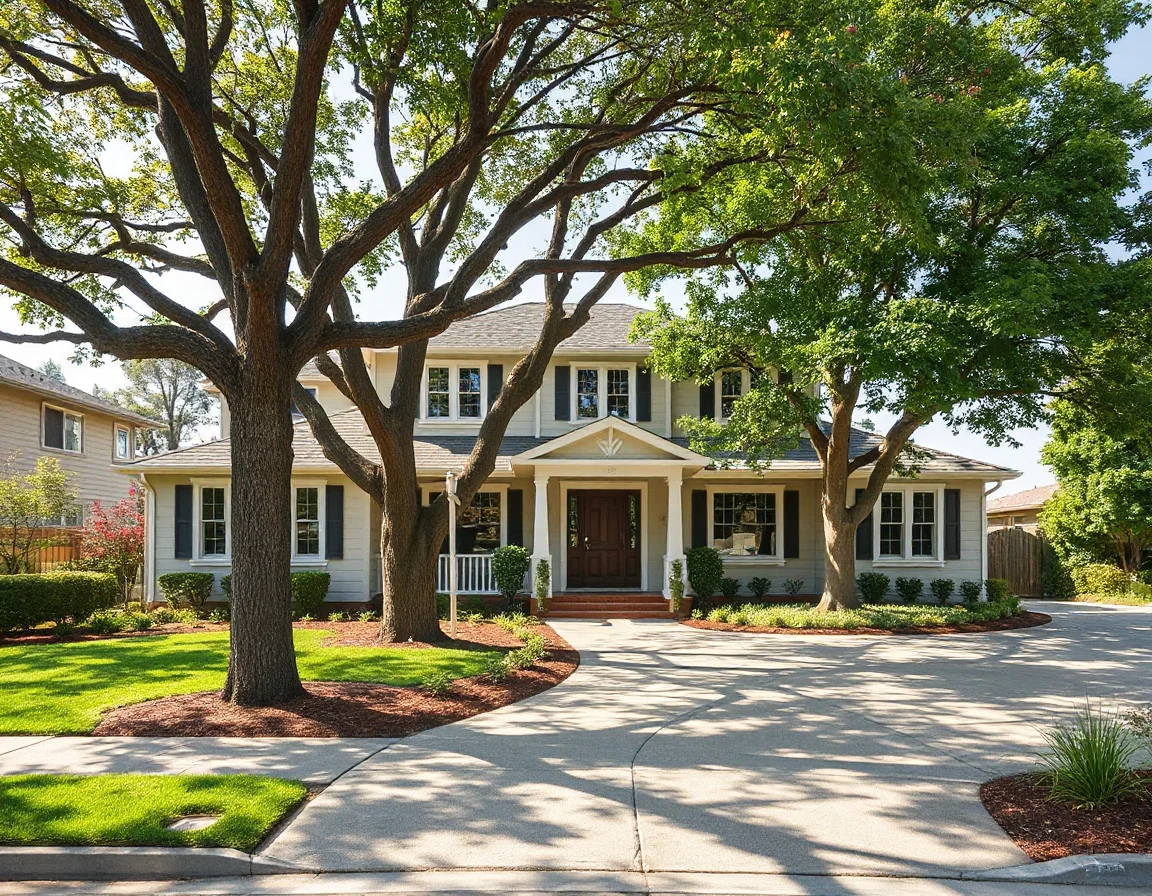
A useful comparison starts with the simple question: what type of rental use is realistically possible for this property? One home may have a lower purchase price but little separation between living spaces, while another may have a higher price tag yet include a finished lower level, a private entrance, or a layout that could support more than one use over time. In Belmont, differences in lot shape, topography, floor plan, parking, and access can all affect rental appeal.
It is also important to separate optimism from verified assumptions. Rental income projections should be grounded in current market data, local regulations, and the physical features of the property. A home that looks promising on paper may require substantial updates, permit review, or layout changes before it becomes truly competitive as a rental offering.
The best comparison is rarely “Which home could rent for more?” It is usually “Which home offers the most dependable rental utility after taxes, insurance, maintenance, and likely vacancy are factored in?”
Compare the layout before you compare the rent
Floor plan often matters as much as square footage. Two similarly sized homes can perform very differently depending on privacy, access, and usability. If you are evaluating rental potential, look closely at whether part of the home functions independently. A separate entrance, a lower-level suite, an extra bath, or a bedroom placed away from the main living area may increase flexibility without changing the total size of the property.
Parking is another practical factor that buyers sometimes underestimate. In many parts of the Peninsula, off-street parking, garage access, and ease of entry can shape how convenient a home feels for occupants. Storage, laundry placement, and outdoor space can also affect rental desirability, especially when comparing homes that are otherwise similar in price range.
Condition plays a big role too. A lower-priced home may appear to offer stronger income upside, but that advantage can narrow quickly if the kitchen, bath, flooring, windows, or systems need immediate work. Buyers should weigh not only possible rent but also how much time and capital it will take to make the home rental-ready. A property with modest projected rent but fewer deferred-maintenance items may deliver a cleaner overall equation.
Use net numbers, not headline numbers
Gross rent is only the starting point. To compare rental income potential in a meaningful way, estimate the likely monthly rent and then subtract the major ownership costs: mortgage payment, property taxes, insurance, utilities that may remain owner-paid, maintenance reserves, and any expected turnover costs. If the property includes an accessory space or flexible lower level, you may also need to account for improvements needed to support that use comfortably and legally.
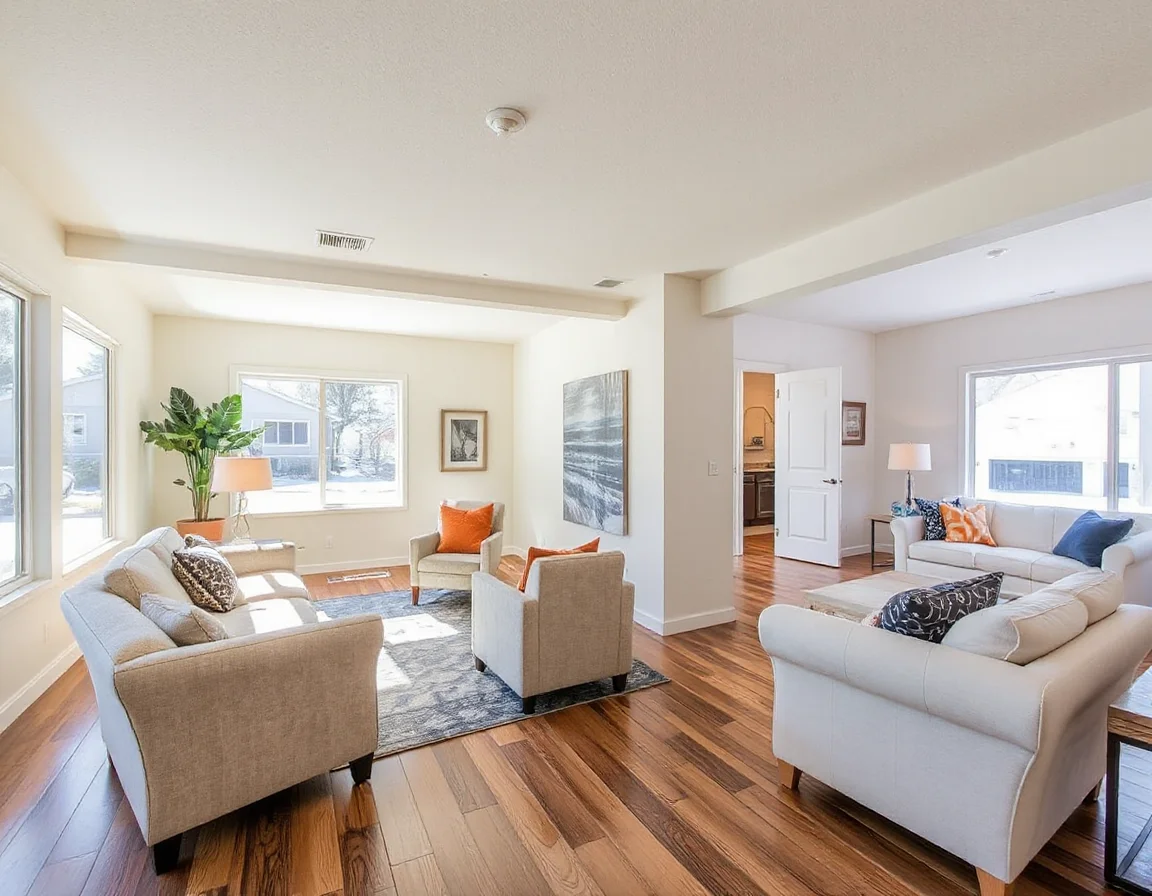
Vacancy should be part of the math as well. Even in supply-constrained markets, no rental stays occupied perfectly every month forever. A realistic comparison includes some cushion for turnover, cleaning, small repairs, and the occasional period between occupants. That does not make a property less attractive; it simply creates a more durable projection.
Buyers who plan to occupy part of the property should also think beyond immediate cash flow. A home with moderate rental support today may still be the stronger choice if it offers future adaptability, better long-term livability, or a layout that works well under different life scenarios. In other words, the most valuable property is not always the one with the highest spreadsheet estimate. It may be the one with the broadest range of practical uses.
When comparing two homes, a smaller rent estimate paired with lower improvement costs can outperform a larger estimate that depends on major upgrades or uncertain assumptions.
Another smart step is to review recent rental comparables with a close eye for true similarities. Compare bedroom count, bath count, parking, condition, privacy, and whether the space feels integrated or separate. Rental value is rarely driven by square footage alone. Finishes, natural light, storage, noise exposure, and hillside access can all influence how a property competes.
Belmont-specific details worth reviewing
Belmont’s housing stock includes a mix of ranch homes, hillside properties, updated mid-century residences, and homes with varying degrees of lower-level flexibility. That variety creates opportunity, but it also means assumptions should be property-specific. A room configuration that works well in one neighborhood pocket may not translate neatly to another home with steeper access, limited parking, or a less efficient layout.
Topography matters here. Hillside lots can offer appealing views and character, but stairs, retaining needs, and split-level configurations may affect day-to-day functionality. Buyers comparing income potential should ask how easy the secondary space is to access, whether outdoor areas are practical to use, and how much privacy exists between living zones. Those details often shape demand more than broad labels like “bonus space.”
Transportation access is another factor that can influence rental appeal. Proximity to Caltrain, major commute routes, neighborhood services, and recreation can add to a property’s convenience profile. The key is to discuss these as objective location benefits rather than broad lifestyle assumptions. A well-located home with practical access patterns may hold steadier demand over time than a larger but less convenient alternative.
As a Certified Investor Specialist and Certified Property Manager, you can count on us—whether you're investing in a condo, a single-family home, or a multi-unit complex, we can discuss an option that will best fit your real estate needs.

Please reach out directly at 415-370-3776 or kathy@parcbay.com. Whether your questions involve buying, selling, home valuation, leasing strategy, property management, or long-term real estate planning, Kathy and the Parc Bay Real Estate team are here to help you move forward with practical advice and local perspective.