

Pricing a Millbrae home well is not about aiming high and hoping for the best; it is about creating a strong first impression that attracts serious buyers quickly. The right list price can increase showing activity, improve negotiating position, and reduce the risk of stale-market price cuts. This guide breaks down how to evaluate timing, comparable sales, condition, and buyer expectations so your launch starts with momentum.
Start with the market in front of you, not the headline behind you
When homeowners think about pricing, it is easy to anchor on the highest sale they heard about six months ago or the number a neighbor once hoped to get. In practice, strong pricing comes from current evidence. A Millbrae home enters a live market where buyers compare value instantly across nearby listings, recent closings, lot size, condition, views, floor plan, and convenience to transit, retail, parks, and major commute routes. The goal is not simply to choose a number that feels satisfying. The goal is to choose a number that makes buyers act.
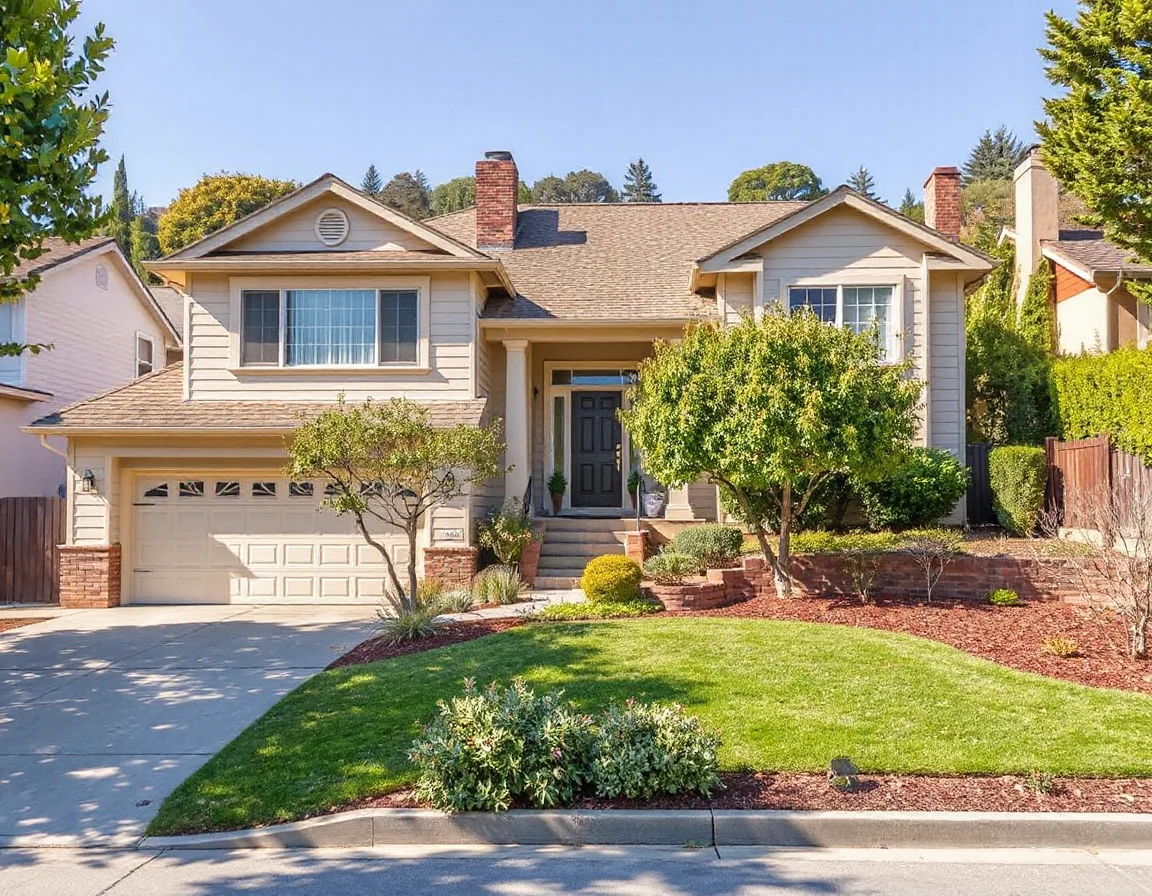
A useful pricing strategy starts by studying the most relevant comparable sales, usually homes with similar square footage, lot characteristics, bedroom count, condition, and location within Millbrae. A property near BART or Caltrain may attract attention for one set of reasons, while a home with bay views, a larger yard, or recent renovations may compete in a slightly different lane. Even within the same ZIP code, pricing can shift meaningfully from one micro-location to another.
It also helps to compare sold, pending, and active listings together. Closed sales show what buyers have actually paid. Pending homes reveal what the market accepted recently, even before final numbers are public. Active listings show the competition a seller faces the day a home goes live. Pricing based on only one of those categories can miss the bigger picture.
The first seven to ten days on market often shape the entire sale trajectory. If the launch price is aligned with current demand, sellers usually see stronger early traffic and cleaner feedback.
Why overpricing can cost more than it seems
Many sellers assume pricing above market leaves room to negotiate. Sometimes it does the opposite. Buyers who are monitoring Millbrae inventory closely tend to recognize when a home is priced beyond the recent range for its condition or location. Instead of submitting a lower offer, they may skip the property altogether and focus on listings that feel more clearly positioned.
That matters because a home typically receives the most attention when it is first listed. New inventory alerts, agent previews, weekend tours, and online saves all cluster early. If the price misses the mark, the listing may lose the urgency that often drives stronger offers. Days on market begin to rise, and buyers start asking why the property has not moved. Once that happens, even a later price adjustment may not fully recreate the initial energy.
Overpricing can also affect strategy during negotiations. Buyers may assume a seller who started too high will be harder to work with, or they may budget for future updates if the condition does not match the asking number. A sharp, evidence-based list price tends to create a more confident conversation from the start.
Condition, presentation, and pricing work together
A well-priced home is not judged on price alone. Buyers evaluate value through presentation. Clean lines, good lighting, fresh paint, repaired deferred maintenance, and thoughtful staging can shift how a home is perceived in the first few seconds online and the first few minutes in person. In a market where buyers move quickly, presentation can influence whether a property feels move-in ready, mostly updated, or likely to need immediate work.

That does not mean every seller needs a full remodel before listing. It means price should reflect reality. If a home has an updated kitchen, newer systems, and polished finishes, it may justify the upper end of the comp range. If the home has a functional layout but original finishes, the pricing should leave room for the buyer’s future improvements. Accurate positioning earns trust.
Photography, prep work, and staging also matter because they broaden the pool of buyers who decide the home is worth visiting. More visits can create more competition, and more competition often supports stronger terms. A pricing plan should always be tied to how the home will actually appear on launch day, not how it looked before the touch-ups were complete.
Small pre-listing improvements can have an outsized pricing impact when they remove obvious objections. Paint, lighting, landscaping, and decluttering often improve perceived value faster than large projects with long timelines.
For sellers deciding how much preparation makes sense, the question is practical: which updates improve marketability enough to support the target price? The answer depends on budget, timeline, and the condition of competing homes in Millbrae at that moment.
Local demand patterns can influence the best pricing lane
Millbrae attracts attention because of its location, transit connections, hillside views in select areas, and access to major Peninsula job centers, San Francisco, and the airport corridor. Those factors can create consistent interest, but demand still changes with seasonality, mortgage rate shifts, available inventory, and overall buyer confidence. A pricing strategy should reflect those conditions rather than rely on a fixed rule.
In a lower-inventory environment, sellers may have more room to price confidently if the home shows well and fills a gap in the market. In a busier inventory cycle, pricing may need to be more competitive to stand out. If several similar homes are available at once, even a strong property benefits from a sharper opening number that motivates immediate tours and repeat visits.
It is also worth studying where buyers are drawing the line psychologically. Search filters often cluster around round numbers, so crossing a pricing threshold can change how many people even see the listing. A home priced just above a common search band may receive less exposure than one positioned strategically within it, even if the numerical difference seems minor on paper.
A strong sale usually comes from a strong launch plan
Pricing is most effective when it is part of a full launch strategy. That includes timing, preparation, photography, disclosures, property marketing, showing schedule, and a clear plan for reviewing interest. Sellers often focus on list price as the one big decision, but buyers experience the listing as a package. The package should feel deliberate, credible, and easy to understand.

For many homeowners, the best pricing conversation starts with three numbers rather than one: a likely market range, an aspirational outcome if response is especially strong, and a floor based on the home’s current condition and timing needs. That framing helps sellers make decisions with perspective instead of emotion. It also clarifies what actions, such as additional prep or a timing adjustment, could improve the result.
In Millbrae, where location nuances and home characteristics can shift value meaningfully, careful pricing is one of the most important ways to protect a seller’s leverage. A home that enters the market at the right price often feels more compelling, more competitive, and more worth pursuing. That is exactly the environment most sellers want: strong attention early, cleaner negotiations, and a sale that reflects real market demand.
In the end, the best list price is not the highest possible number. It is the number that gives your home the best chance to win the market while interest is fresh. When pricing, presentation, and timing line up, a strong sale becomes much more achievable.