
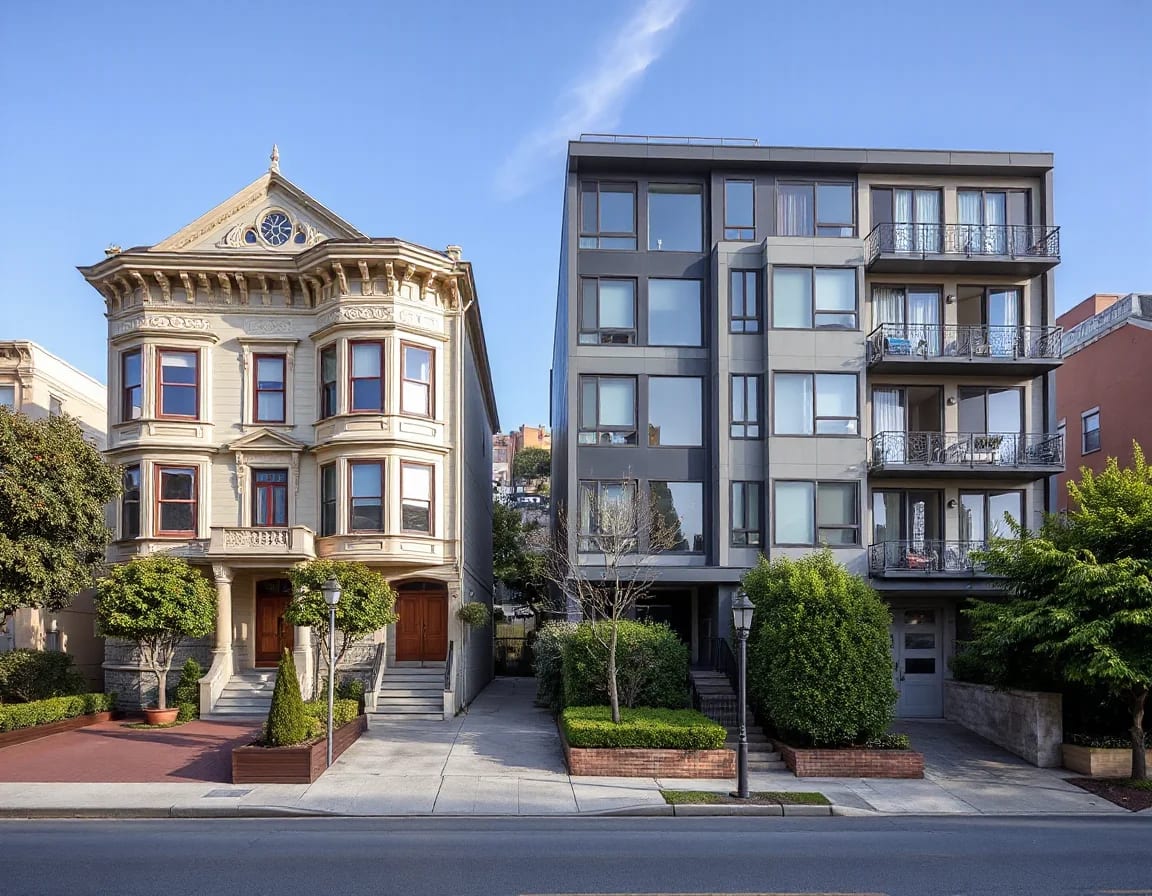
Cap rate is useful, but it rarely tells the whole story in San Francisco. When comparing Nob Hill and SoMa, investors also need to weigh building age, HOA structure, demand depth, exit flexibility, and the practical realities of leasing and upkeep. A sharper comparison can help you spot where steady performance may matter more than a headline number.
Looking Past the Spreadsheet
Comparing Nob Hill and SoMa can be tempting to reduce to one metric, especially when listings make yield figures look tidy and decisive. In practice, investors in San Francisco usually face a more layered decision. The same purchase price range can buy into very different building types, maintenance profiles, resident expectations, and resale paths depending on the neighborhood and the property itself.

Nob Hill often presents a more classic housing stock story: established buildings, distinctive architecture, and a setting tied closely to long-term neighborhood identity. SoMa, by contrast, often brings a more modern product mix, including newer condominiums, loft-style residences, and larger amenity buildings. Neither profile is automatically better for an investor. What matters is how each one aligns with your hold period, cash reserve strategy, and tolerance for operational complexity.
If you only focus on cap rate, you can miss costs or advantages that show up later. An older unit with lower turnover may still demand more reserve planning. A newer condo with strong rental appeal may carry HOA rules or monthly dues that change your net outcome. The smarter question is not simply, “Which neighborhood has the higher cap rate?” It is, “Which asset is more likely to perform the way I need it to over time?”
In high-cost markets, small line items matter. A modest difference in dues, vacancy, insurance, or special assessments can outweigh a seemingly stronger cap rate on paper.
Question 1: What Does the Building Itself Ask of You?
The first investor question should be about the building, not the neighborhood label. In Nob Hill, many opportunities come with the appeal of established construction, detailed facades, and layouts that feel distinct from newer product. That can support long-term desirability, but it may also come with older systems, stricter building oversight, or higher odds of future capital projects. Windows, elevators, roofing, and seismic upgrades are not glamorous topics, yet they can define returns.
In SoMa, newer developments may offer more predictable near-term maintenance, contemporary floor plans, and amenities that support leasing activity. But newer does not always mean simpler. HOA budgets, reserve strength, litigation history, rental restrictions, and owner-occupancy ratios all deserve close review. Investors should ask for governing documents early and read them with the same attention they give rent comps.
The practical takeaway is straightforward: compare reserve risk, not just curb appeal. A property that looks cleaner operationally may justify a lower headline yield if it reduces the chances of expensive surprises during your hold period.
Question 2: How Deep Is the Likely Tenant and Buyer Pool?
Demand depth matters twice: once when you lease the unit and again when you sell it. Nob Hill tends to draw interest from people who value central access, established surroundings, and housing with architectural character. That can support resilience, particularly for units with efficient layouts and updated interiors. Properties that blend period details with modern function often stand out.

SoMa often competes on a different set of strengths. Many residences emphasize contemporary finishes, in-building amenities, flexible access to employment centers, and proximity to transit corridors, arts venues, and major event destinations. For some renters and future buyers, that product type is exactly the draw. For others, it can feel more interchangeable if several similar units hit the market at once.
This is where investors should study absorption, not just asking rents. If a one-bedroom condo in a large SoMa building has multiple close substitutes, pricing power may be more sensitive to current inventory. If a Nob Hill unit has a more distinctive floor plan or building identity, it may benefit from differentiation. The reverse can also be true when newer finishes and amenities dominate market preference. The point is to identify how many real alternatives a prospective renter or future buyer will compare against your unit.
Look closely at days on market, recent price adjustments, and whether comparable units leased or sold because they were the cheapest option or because they offered something notably better. Demand depth becomes especially important if your timing for exit is not perfectly flexible.
Question 3: How Will Monthly Carry Costs Affect the Real Return?
Gross rent is easy to spot. Carry costs are where many investors underwrite too lightly. In Nob Hill, dues may vary widely depending on the age of the building, level of service, and scope of shared systems. In SoMa, larger amenity-rich buildings can carry higher HOA fees that need to be evaluated line by line. Front desk staffing, fitness rooms, parking systems, elevators, and common-area maintenance all have value, but they also shape monthly net income.
Taxes, insurance, utilities, vacancy assumptions, repairs, and leasing costs should be modeled conservatively in both neighborhoods. If a property includes parking, storage, or in-unit laundry, those details can improve rental competitiveness. If it lacks those features in a submarket where they are common, your vacancy or concession assumptions may need to widen. Even a beautiful unit can underperform if the cost stack leaves too little margin.
When comparing two properties with similar rents, the one with the cleaner monthly cost structure often produces the steadier investment experience, even if the advertised cap rate looks lower at first glance.
Investors should also think about future buyer psychology. A unit with very high dues may still lease well, but resale can narrow if purchasers react first to monthly ownership cost rather than total property value. That does not eliminate the property from consideration; it simply means you should be realistic about your exit audience.
Question 4: What Is the Exit Strategy if the Market Changes?
No investor buys with perfect foresight. Market conditions shift, financing costs move, and neighborhood momentum can strengthen or cool over a hold period. A strong acquisition plan should include at least two plausible exits. Can the property be sold easily to another investor? Could it also appeal to an owner-occupant buyer? Is the unit size and layout broadly useful, or is it a niche product?
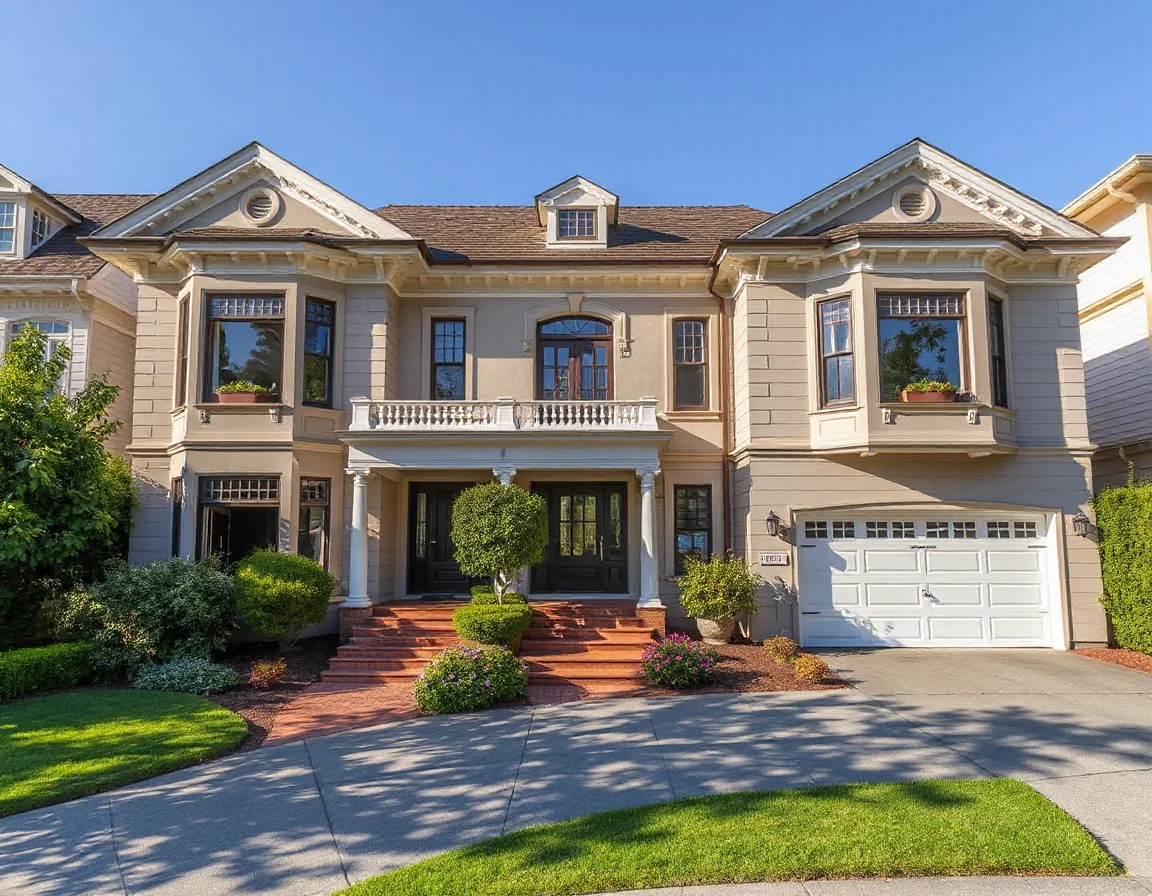
Nob Hill properties sometimes benefit from a more timeless identity that can support broader resale interest, especially when the unit has been updated thoughtfully without losing character. SoMa properties may offer compelling appeal through modern design, parking, building services, and transit access. Yet if your property sits in a building with many similar units, your resale timing may matter more because buyers can compare quickly and negotiate hard.
Exit strategy also includes your ability to hold through a softer period. If monthly carrying costs are high, patience becomes more expensive. If the asset has stronger cash flow resilience, you may have more room to choose your timing. That flexibility is an advantage that does not show up clearly in a cap rate headline, but it can make a major difference in total return.
Question 5: Which Neighborhood Story Fits Your Investment Style?
The final question is personal, but still analytical: what kind of asset do you want to manage? Some investors prefer the relative predictability of newer construction and amenity-driven leasing. Others value the scarcity and visual distinction that can come with established neighborhoods and architecturally unique buildings. Nob Hill and SoMa each offer opportunities, but they often reward different operating preferences.
For a hands-on investor who enjoys spotting underappreciated details in older housing stock, Nob Hill may produce interesting options. For someone prioritizing modern layouts, service-rich buildings, and a more standardized leasing process, SoMa may feel more straightforward. Neither path removes the need for diligence. Reviewing HOA documents, recent comparable leases and sales, building reserves, and likely upgrade cycles is what turns a neighborhood comparison into a sound decision.
At Parc Bay Real Estate, localized Bay Area market knowledge can help investors move beyond surface-level metrics and compare properties in the context that matters most: how they will actually perform in real life. In a market as nuanced as San Francisco, the better question is rarely “Which area wins?” It is “Which property gives me the most durable strategy for the next several years?”
That shift in perspective is often where the strongest decisions begin.