
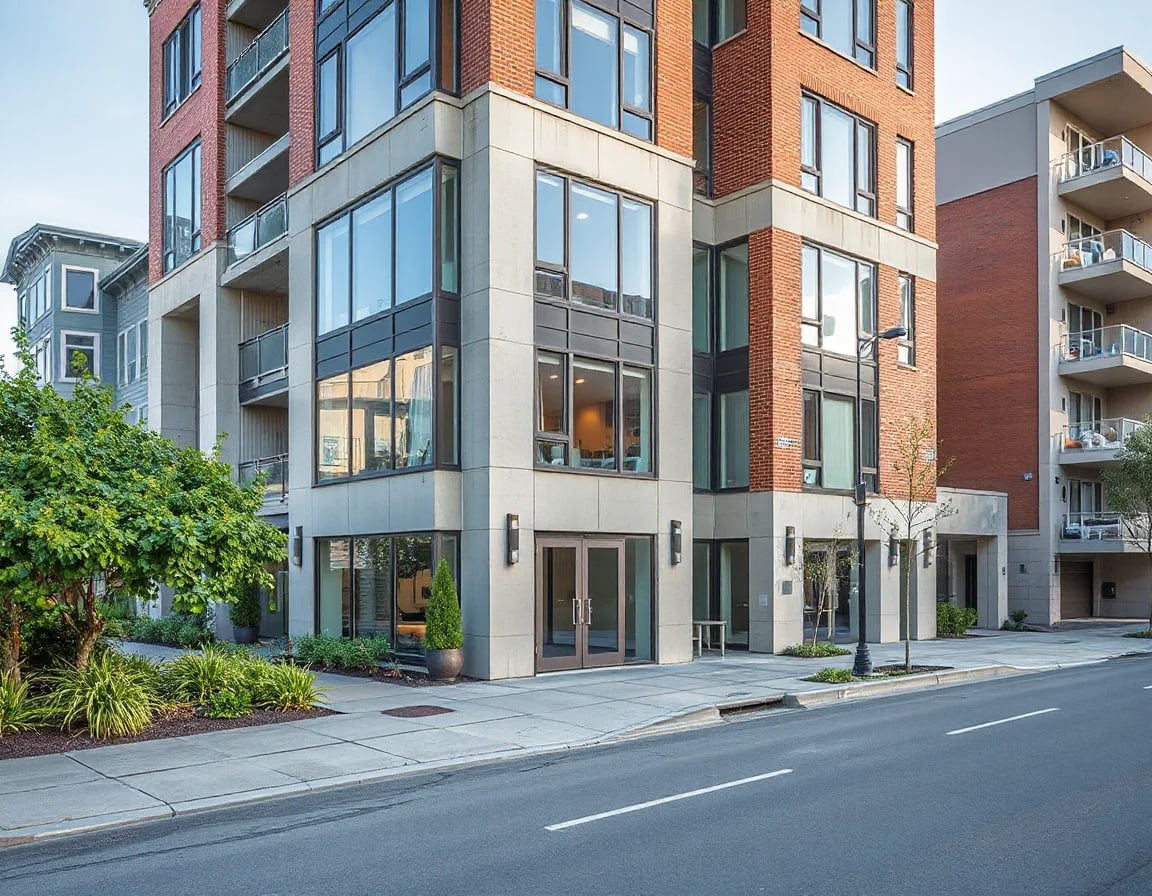
A dramatic skyline or bay view can make a condo tour unforgettable, but the smartest purchase decisions in SoMa usually come from what you check after the wow moment. Before writing an offer, review the building’s finances, the exact orientation of the unit, the day-to-day noise pattern, and the long-term fit of the location. These six checks can help you separate a great-looking condo from one that truly works for your budget and routine.
Start with the Building, Not Just the Unit
That first glance through a wall of glass can be persuasive. In SoMa, many condos deliver striking outlooks, strong natural light, and a modern feel that is hard to ignore. But a view is only one part of the purchase. A first condo buyer usually benefits from slowing down and evaluating the entire building ecosystem, because monthly ownership costs, rules, and maintenance planning can shape the experience just as much as the square footage inside the front door.
Check one: review the HOA in detail. Look beyond the monthly dues number. Ask what is covered, whether utilities are included, how often dues have increased, and whether the reserve fund appears healthy. A lower monthly figure can seem appealing at first, but deferred maintenance or a thin reserve can create future cost pressure. For a first purchase, predictability matters.
Check two: read the meeting notes and disclosure package carefully. This is often where the real story appears. You may find upcoming repairs, elevator projects, facade work, insurance changes, or rule discussions that affect daily living. Even if the unit itself looks turnkey, the building may be planning major work that changes your cost outlook in the next one to three years.
If a condo feels priced attractively compared with similar SoMa listings, the explanation is sometimes in the HOA documents rather than the floor plan. A close read can save you from expensive surprises later.
For first-time condo buyers, this step can feel less exciting than touring kitchens and views, but it is one of the best ways to make a confident decision. In a neighborhood with a wide range of building styles and amenity packages, details matter.
Test the View for Light, Heat, and Privacy
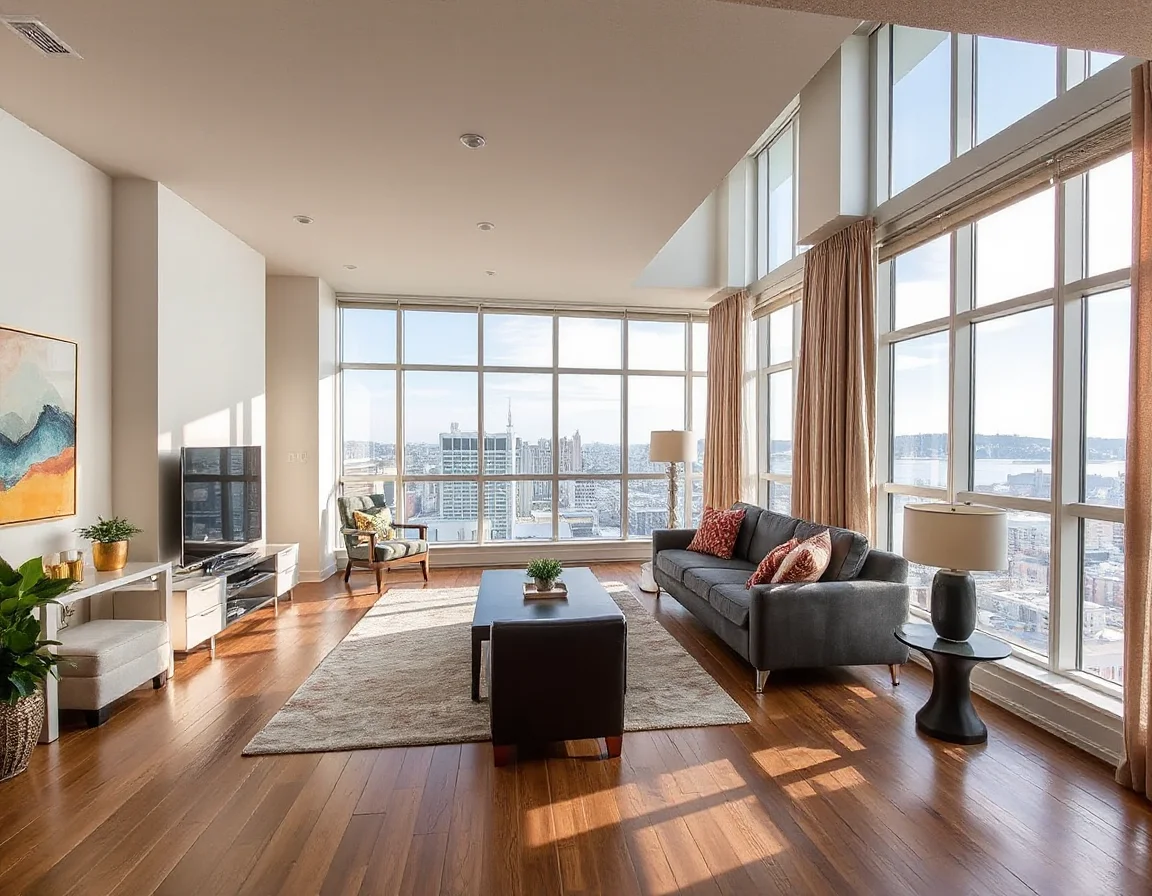
A view is not just visual; it affects comfort throughout the day. Check three: understand the unit’s exposure and what that means in real use. A west-facing wall of windows can bring beautiful late-day light, but it may also create afternoon heat and glare. A unit facing another tower may still have a pleasant urban outlook, yet offer less privacy than you expected during an evening showing.
Try to learn when the unit gets direct sun, whether window coverings are essential, and how the interior feels at different times of day. If possible, schedule a second visit. Morning and late afternoon can reveal very different conditions. In a dense part of San Francisco, neighboring construction, rooftop mechanical equipment, and future development can also influence what the view looks and feels like over time.

Check four: listen for the neighborhood, not just the showing soundtrack. SoMa can shift block by block. One building may feel tucked away, while another sits near steady traffic flow, event activity, loading zones, or transit movement. None of that is automatically a dealbreaker, but it should match your expectations. Stand quietly near the windows with no conversation for a minute or two. Then step into the hallway, lobby, and street and notice the overall sound level.
It is also worth asking practical questions about window quality, insulation, and whether the building has any history of noise-related complaints. The right answer is not always “quietest possible.” It is “what works for your daily routine and tolerance.”
Two tours of the same condo at different hours can produce a completely different impression. If the view is the hook, the return visit is often where the real decision gets made.
Look Closely at Layout, Storage, and Resale Flexibility
Many first condo buyers focus on finishes first: stone counters, sleek cabinetry, wide-plank floors. Those features matter, but check five: make sure the floor plan lives well on an ordinary Tuesday. Can you place a desk without blocking circulation? Is there enough closet space for luggage, sports gear, or seasonal storage? Does the bedroom feel separated enough from the main living area if your schedule changes or you work from home part of the week?
In compact urban homes, a smart layout can outperform a larger but awkward one. Pay attention to entry flow, kitchen workspace, laundry placement, and whether the windows that create the dramatic view also limit furniture options. A unit that photographs beautifully may still require compromises that become obvious only after move-in.
There is also the question of future marketability. Finishes can be updated, but unusual layouts or very limited storage can narrow buyer interest later. If this is your first condo, thinking about resale from day one does not mean you are buying timidly; it means you are buying strategically.
Map the Full Cost of Ownership Before You Commit
Check six: build a complete monthly cost estimate. Purchase price is only the beginning. Include HOA dues, property taxes, insurance, parking fees if separate, utilities not covered by the HOA, and a maintenance cushion for the interior of the unit. In amenity-rich buildings, ownership can feel streamlined, but the monthly total should still be comfortable under ordinary conditions, not just in a best-case budgeting scenario.
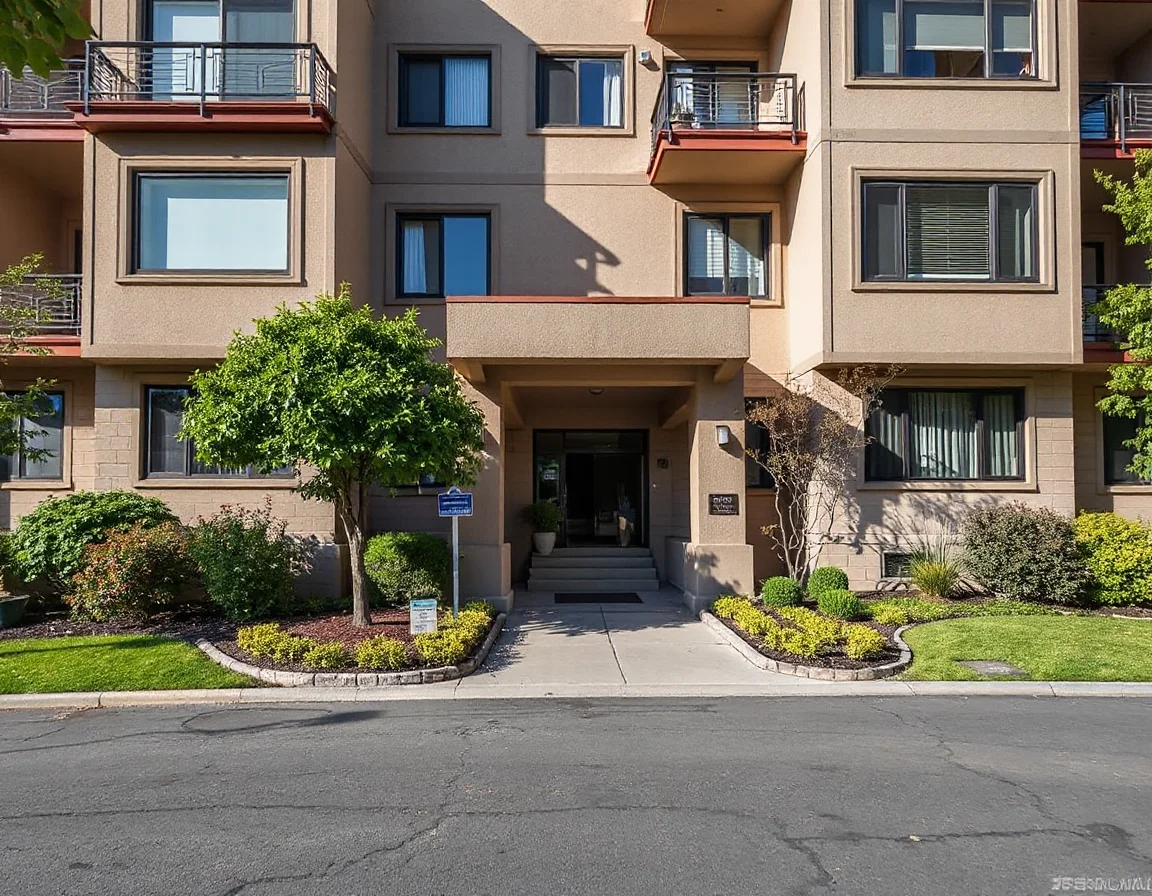
It also helps to think beyond the spreadsheet. How easy is access to transit, groceries, open space, and your regular destinations? How does the block feel during weekdays, evenings, and weekends? The answer will not be the same for every buyer, and that is exactly the point. A condo that shines because of its dramatic windows should still support the routine you actually live.
SoMa offers a broad mix of loft-style spaces, newer towers, and established condo buildings, which creates real opportunity for first-time buyers who do their homework. The best purchases in the neighborhood are not always the ones with the most dramatic first impression. Often, they are the homes where the view is matched by sound finances, durable layout choices, manageable ownership costs, and a location that continues to make sense after the excitement of the showing has worn off.
When you run these six checks before falling for the glass, light, and skyline, you give yourself a better chance of buying a condo that feels just as strong six months after closing as it did on tour day.