
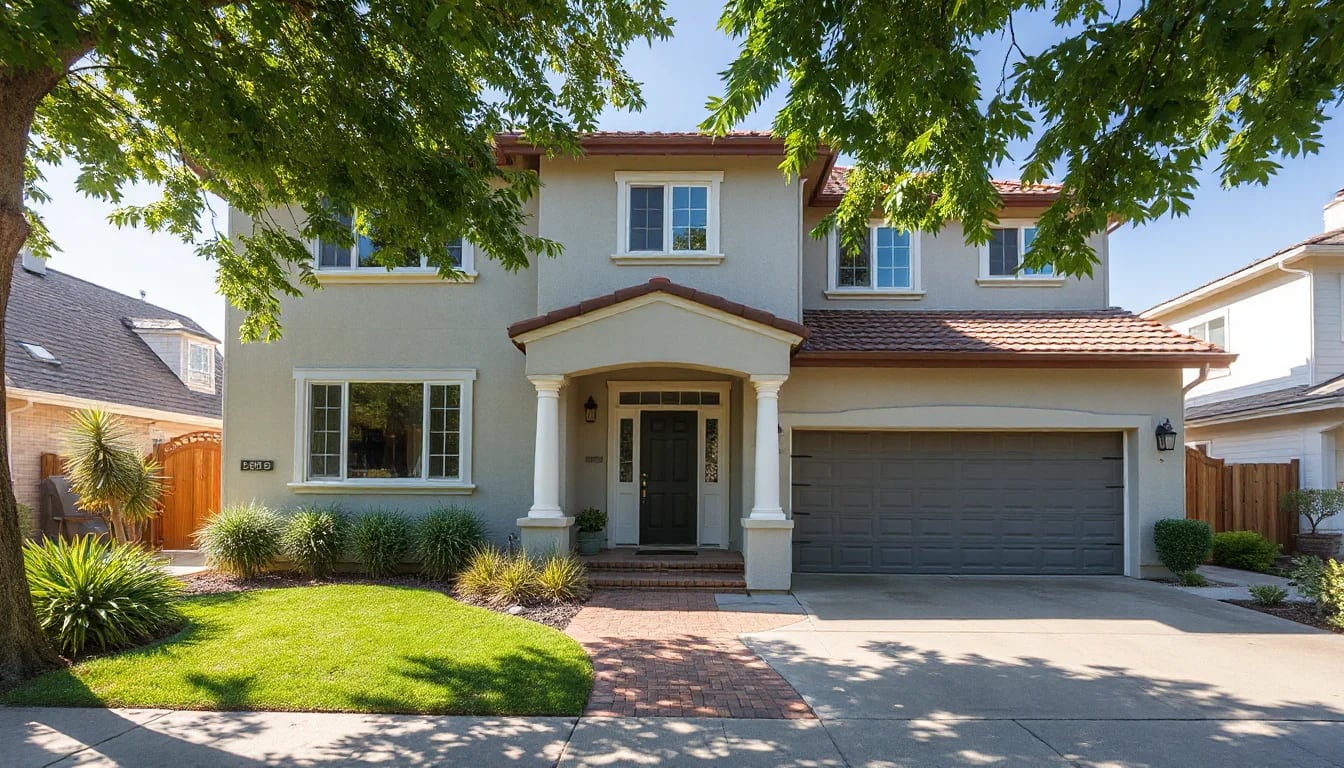
Rental potential in San Mateo is shaped by more than headline home prices. Buyers and owners who look closely at location, property type, condition, parking, and local demand patterns can make far better decisions about long-term income and resale flexibility. This guide breaks down the practical factors that matter most before you buy, hold, or market a property in San Mateo.
How to Evaluate Rental Potential Without Guesswork
When people talk about rental potential, they often jump straight to monthly rent. That number matters, of course, but it is only one part of the picture. In San Mateo, a strong rental property usually combines everyday convenience with a layout that supports modern living: efficient floor plans, in-unit laundry where possible, usable outdoor space, reliable parking, and proximity to major transportation routes, shopping corridors, parks, and employment centers across the Peninsula.
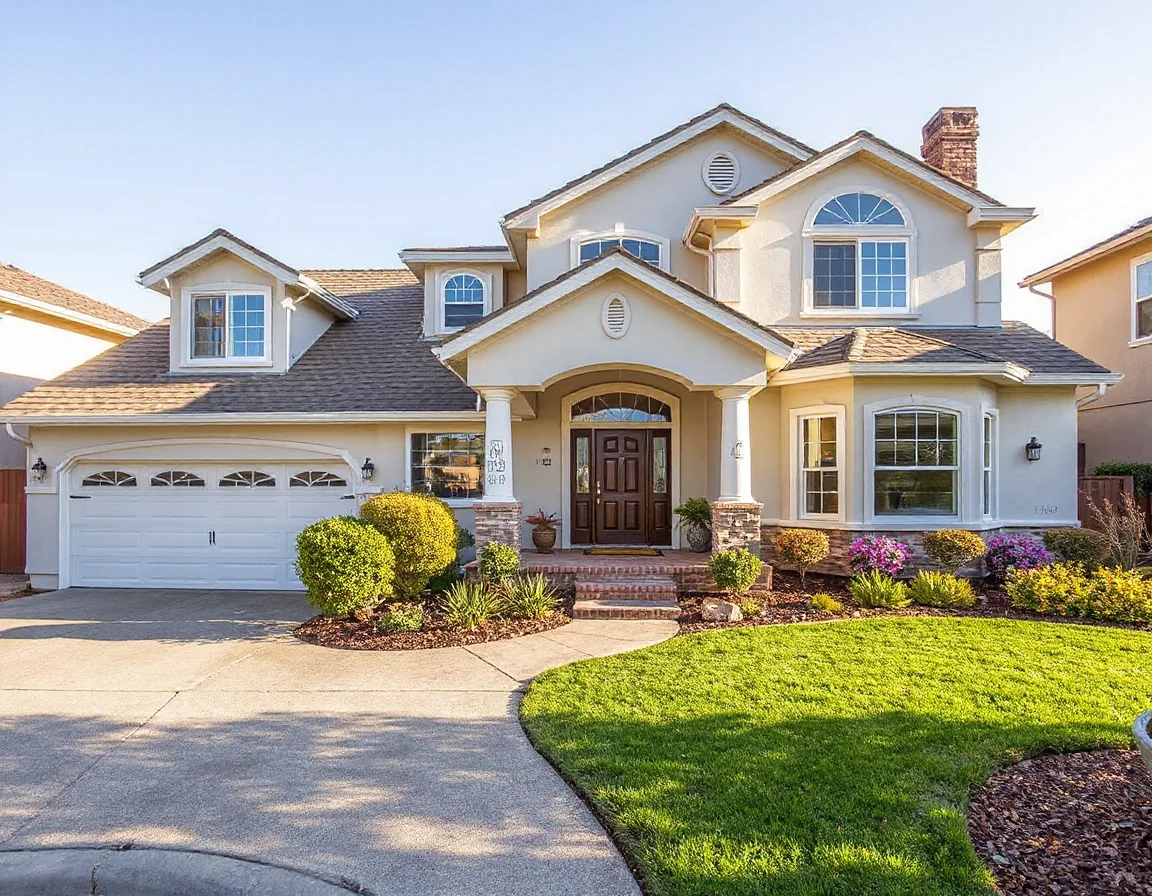
A useful starting point is to compare a property against the types of homes renters commonly prioritize in this market. Condos may appeal because of lower maintenance needs, while single-family homes may offer more privacy, storage, and outdoor use. Smaller homes can produce solid returns when they are well located and updated, while larger homes may command higher rent but also carry higher purchase, maintenance, and turnover costs. The key is not assuming “bigger is better,” but understanding what the likely renter pool values in that specific pocket of the city.
A property that rents quickly is not always the one with the highest asking rent. Often, the best-performing homes balance competitive pricing with practical features that reduce vacancy.
Another factor that deserves close attention is condition. Fresh paint, updated flooring, modern lighting, and functional kitchens and baths can influence both rent level and time on market. Renters comparing multiple options tend to notice details quickly, and deferred maintenance can narrow demand. If you are buying with the intent to lease, it helps to estimate not just acquisition cost but also the work needed to bring the home to a competitive standard.
What Drives Demand in San Mateo
San Mateo benefits from its central Peninsula location, which gives residents access to multiple commute routes, Caltrain connections, retail destinations, and a broad mix of neighborhood settings. That flexibility often supports steady housing demand, especially for homes that make daily logistics easier. Properties near transportation options, established commercial districts, and public open space may attract more interest simply because they support smoother routines.
That said, demand does not look identical across every property type. A top-floor condo with elevator access and secure parking can perform differently from a bungalow with a yard, even if both are in desirable areas. Owners should pay attention to features that meaningfully affect use: stair access, storage, noise exposure, HVAC quality, natural light, and whether the floor plan feels intuitive. These details influence not only what rent a property can command, but how broad the audience is when it becomes available.

Seasonality can also influence rental timing. Homes listed during active relocation and job transition periods may see stronger inquiry volume, while slower windows may require sharper pricing or more polished presentation. Even in a steady market, small adjustments in launch timing, listing photos, pet policies where permitted by law, and lease terms can affect results.
In many Peninsula markets, convenience competes with square footage. A smaller, updated home near transit and daily services can outperform a larger property with a less efficient location.
If you are comparing neighborhoods within San Mateo, look for objective indicators rather than assumptions: days on market for rentals, current asking rents for similar homes, vacancy patterns, and how often listings include features like parking, laundry, balconies, or private outdoor areas. Those clues provide a more grounded view of demand than broad market headlines alone.
Numbers That Matter Beyond Monthly Rent
Strong rental potential depends on net performance, not just gross income. Before buying, it is smart to build a simple property analysis that includes mortgage costs, taxes, insurance, HOA dues if applicable, repairs, reserves for future maintenance, leasing expenses, and expected vacancy. A property with slightly lower rent but lower ongoing costs can outperform one that looks better at first glance.
Investors and owner-occupants considering future rental use should also think about durability. Hard-surface flooring, low-maintenance landscaping, quality windows, and updated systems may reduce recurring expenses over time. If the property is part of a homeowners association, review rules carefully to understand any rental-related limitations, move-in fees, or approval requirements. These items can directly affect your strategy.
It is also worth considering exit flexibility. A home with broad resale appeal may offer a stronger long-term position than a highly specialized property. For example, layouts with practical bedroom separation, functional work-from-home space, and appealing outdoor use tend to remain relevant across changing market cycles. Rental potential and resale potential are often connected, and the best opportunities usually support both.

Finally, be realistic about rent estimates. Online calculators can be helpful for a rough range, but they often miss details that change value in real life. A renovated kitchen, attached garage, extra storage, or cleaner block-by-block positioning can all shift pricing. The strongest analysis compares recent nearby lease activity for homes with similar finish level, parking setup, and overall usability.
Talk through your San Mateo real estate goals
A Practical Approach for Buyers and Owners
Whether you are buying an investment property or purchasing a home you may rent out later, San Mateo rewards careful evaluation. Instead of focusing on one “perfect” metric, look at the full package: local demand, property condition, carrying costs, lease competitiveness, and future resale options. That broader lens helps you avoid overpaying for projected income that may not be sustainable.
For current owners, improving rental potential does not always require a major renovation. Thoughtful updates such as refreshed paint, better lighting, improved landscaping, upgraded appliances, or adding in-unit laundry can make a listing more competitive. Presentation matters too. Clean staging, accurate pricing, and a strong marketing launch often have a measurable impact on inquiry volume and lease quality.
In the end, rental potential in San Mateo is best understood as a combination of location, livability, and financial discipline. When those three pieces align, a property can offer both dependable demand and valuable flexibility over time.