

In Pacific Heights, pricing is rarely just a math exercise. Buyers compare a new listing to nearby alternatives in minutes, so the opening price shapes urgency, showing activity, and negotiation leverage from day one. These five pre-list moves can help sellers present a clearer value story before the home ever hits the market.
Why pricing psychology matters before the first showing
In a neighborhood where architecture, views, finish level, and block-by-block location can create meaningful price differences, the list price does more than announce availability. It signals how the property should be understood. When that signal is off, even by a modest amount, buyers may pause, wait, or redirect attention to competing homes that feel easier to evaluate.
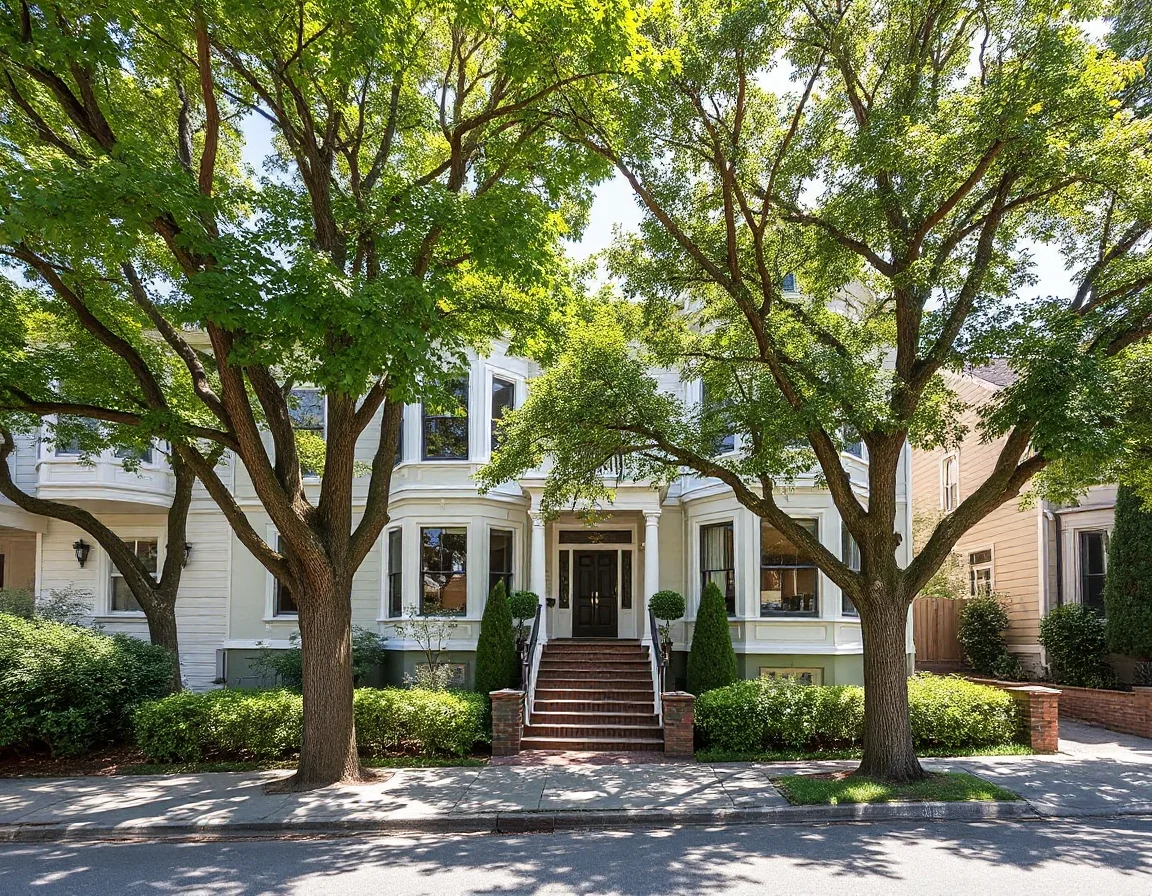
That is especially true in Pacific Heights, where buyers often arrive well prepared. Many have tracked recent sales, watched price adjustments, and compared original list prices to final contract numbers. They are not just reacting to square footage. They are interpreting whether a home appears thoughtfully positioned, ambitiously tested, or visibly chasing the market.
The practical takeaway is simple: strong pricing starts before the listing goes live. Sellers who want the market to respond quickly usually benefit from refining condition, presentation, timing, and price band strategy in advance rather than trying to correct course publicly after launch.
The first week on market often generates the clearest read on pricing. A busy showing calendar with serious follow-up usually points to alignment; heavy online views with limited in-person momentum can point to a pricing or presentation gap.
Move 1: Price within a search band, not at the edge of it
One of the most common mistakes is treating price as a single-point target based only on a spreadsheet average. In reality, buyers encounter listings inside search brackets. A home priced just above a common threshold can lose exposure to a pool of buyers who never see it in filtered results, while a price placed cleanly within a major band may earn more early traffic and stronger comparison value.
For example, a seller may be focused on squeezing into the next bracket because of a renovation, a view line, or a desirable floor plan. Those features can matter. But if the jump places the property beside stronger direct competitors, the listing may feel expensive before a buyer even schedules a tour. Pricing psychology is often about reducing friction, not winning a theoretical argument.
Looking at active competition matters just as much as reviewing sold comparables. Closed sales explain where the market has been, but current listings reveal what buyers are choosing among right now. That side-by-side context helps determine whether a home should lead its segment, sit in the middle, or enter as a value-forward option designed to build momentum.
Move 2: Remove easy buyer objections before the home is measured against comps
Pricing power improves when the home feels easy to understand. Deferred maintenance, overly personalized rooms, dim lighting, or inconsistent staging can make buyers mentally deduct more than the actual cost of improvements. In higher-price neighborhoods, uncertainty often gets priced more aggressively than the work itself.

That does not mean every seller needs a full remodel before listing. It does mean the home should present a coherent value story. Fresh paint, lighting updates, hardware replacement, floor refinishing, and careful staging can sharpen that story quickly. When buyers walk through a home that feels cared for and visually consistent, they tend to compare it more favorably to recent sales.
Pre-list preparation also affects appraisal conversations and negotiation tone. If the property photographs well, tours well, and offers fewer visible question marks, buyers are less likely to open with repair-focused logic or broad discount assumptions. The price then feels anchored in what they experienced, not in what they imagine they will need to fix.
Minor cosmetic work often has an outsized impact because it changes the way buyers compare the home emotionally and financially at the same time.
Move 3: Study the stale-listing pattern, not just the standout sale
It is tempting to build a pricing plan around the strongest recent comp, especially if that property appears similar on paper. But standout sales usually had a specific combination of timing, scarcity, finish quality, layout, outdoor space, or view orientation that made them exceptional. A more disciplined approach is to examine the listings that sat, reduced, or relisted as well.
Those quieter data points reveal where buyer resistance begins. Did a property start high and miss its best traffic window? Did it enter the market before key prep work was finished? Was it competing with newer inventory that offered a stronger first impression? Understanding those patterns can save sellers from repeating a public pricing reset that weakens leverage later.
In Pacific Heights, where inventory can be limited but buyer expectations remain exacting, the difference between “worth considering” and “must see now” often comes down to whether the home enters the market with clarity. The goal is not merely to avoid overpricing. It is to avoid creating hesitation that did not need to exist.
Move 4: Time the launch so the price lands into attention, not distraction
Even a well-priced listing can underperform if it launches into poor timing. Major holiday periods, distracted buyer windows, unfinished local competition, or a rushed pre-marketing cycle can all reduce the impact of the first impression. Because early interest shapes perception, timing and pricing should be planned together.

That planning includes photography, staging completion, disclosure readiness, and a review of what else is about to hit the market nearby. If several comparable homes are launching at once, a seller may benefit from entering slightly earlier with complete materials and a polished presentation. In other situations, waiting a short period for stronger visibility can produce a cleaner debut.
Buyers tend to interpret launch momentum as a market verdict. A listing that appears organized and active from the beginning often gains credibility. One that enters quietly, then adjusts messaging or price after a slow start, may have to work harder to restore urgency.
Move 5: Decide in advance how you will respond if the market talks back
Pricing psychology includes the seller’s response strategy after launch. Before listing, it helps to agree on the signals that would justify staying the course, improving marketing, or adjusting price. That prevents emotional decision-making once the home is live and feedback starts arriving.
Useful signals include the number of private showings, quality of agent comments, repeat visits, disclosure requests, and how many buyers mention the same comparison property. If traffic is healthy but offers are not materializing, the issue may be value perception rather than awareness. If activity is light across the board, broader presentation or pricing changes may be needed sooner rather than later.
A calm, preplanned response protects leverage. Small delays can matter because buyers notice days on market, and each extra week changes the psychology of the listing. A timely adjustment, if necessary, often reads as strategic. A delayed one can read as reactive.
The bottom line for Pacific Heights sellers
Successful pricing is not about guessing the highest possible number and hoping the market catches up. It is about launching with a position that feels credible, competitive, and compelling relative to current alternatives. In Pacific Heights, that usually means pairing strong comparable analysis with disciplined preparation, smart timing, and a clear plan for the first two weeks on market.
When those pieces work together, the list price becomes a tool that supports demand instead of testing patience. Sellers who prepare early often give themselves more options, stronger feedback, and a better chance of attracting serious offers while the listing still feels fresh.